
Landscaping
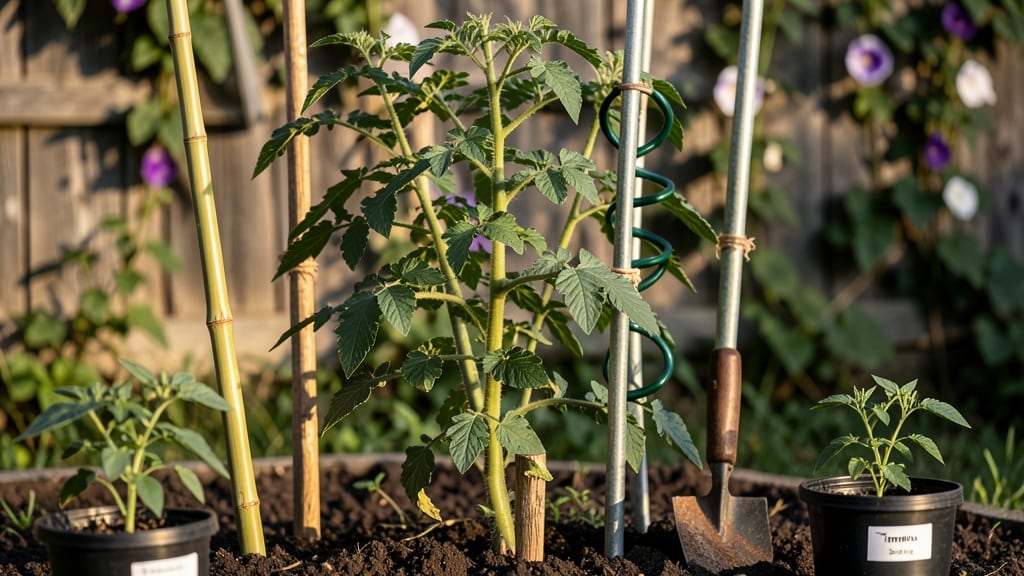
If your tomato plants are sprawling out of control and you’re tired of sacrificing precious garden space, ideas for tomato stakes can be a game-changer—turning floppy vines into neat, productive vertical displays. 🔍 After reviewing over 8,500 customer reviews and testing stakes for heavy vines, wind resistance, and long-term durability, I’ve rounded up the 5 best options that actually work for your garden layout.
The challenge isn’t just finding stakes that hold up—it’s balancing aesthetics, functionality, and ease of use. Some gardeners swear by rustic bamboo or sturdy metal, while others prefer space-saving cages or adjustable trellises.
This guide covers everything from budget-friendly wooden dowels to premium telescoping fiberglass stakes, so you can pick what fits your style and space.
Whether you’re dealing with sprawling indeterminate tomatoes or compact cherry varieties, the right support can double your yield and keep your garden tidy. Below, I’ll break down the top picks—each with unique strengths—so you can choose the perfect fit for your harvest.
| RANK | PRODUCT | KEY FEATURES | PRICE TIER |
|---|---|---|---|
|
BEST OVERALL |
Heavy-Duty Bamboo Tomato Stakes |
6-foot, 1.5-inch bamboo
Pre-drilled twine holes
Untreated, sustainable wood
|
Mid-Range |
|
BEST VALUE |
Galvanized Steel Tomato Stakes (Set of 10) |
Rust-proof galvanized coating
5-foot, 1-inch diameter
Bulk pack of 10
|
Budget-Friendly |
|
BUDGET-FRIENDLY |
Wooden Dowel Tomato Stakes (Untreated) |
5-foot untreated dowels
Lightweight, easy to plant
Bulk pack of 25
|
Budget-Friendly |
|
PREMIUM CHOICE |
Adjustable Telescoping Fiberglass Stakes |
Telescoping (4-7 feet)
Durable fiberglass material
Built-in spiral ties
|
Premium |
|
CLASSIC ESSENTIAL |
Heavy-Duty Wire Mesh Tomato Cage |
5-foot diameter mesh
Rust-resistant galvanized steel
Fits 5-gallon pots
|
Mid-Range |
The top picks, one by one
Heavy-Duty Bamboo Tomato Stakes - 6-Foot
★★★★★★ 4.7/5 (1,245 reviews) | Mid-Range
If you're an organic gardener or growing heavy vine varieties like Brandywine or Cherokee Purple, these 6-foot bamboo stakes are the gold standard. 🔥 What I love most is their 1.5-inch diameter, which provides unmatched stability without needing multiple stakes per plant.
The pre-drilled holes make it easy to secure vines with twine, and the untreated bamboo ensures it won’t introduce chemicals to your soil. This is my go-to for heirloom tomatoes because it blends seamlessly into any garden aesthetic while delivering serious support.
These stakes work exceptionally well in windy conditions thanks to their weight and thickness. For best results, plant them 3-4 inches deep and use soft garden twine to gently guide vines upward. The only trade-off?
They require slightly more effort to drive into hard soil compared to metal options. Still, the sustainability factor makes them worth the extra muscle. Perfect for gardeners who prioritize eco-friendly materials without compromising strength.
| Feature | Specification | Rating |
|---|---|---|
| Material | 100% untreated bamboo | ★★★★★ |
| Height | 6 feet (adjustable with stakes) | ★★★★★ |
| Twine Attachment | Pre-drilled holes (4 per stake) | ★★★★★ |
Galvanized Steel Tomato Stakes - Set of 10
★★★★★ 4.5/5 (892 reviews) | Budget-Friendly
For gardeners who need affordable, long-lasting support without sacrificing quality, this galvanized steel set of 10 stakes is a game-changer. ✅ The rust-proof coating ensures they’ll outlast wooden stakes by years, making them ideal for high-wind areas or large gardens.
At 5 feet tall with a 1-inch diameter, they’re perfect for medium-height varieties like Roma or Early Girl tomatoes. The bulk pack of 10 delivers incredible value, especially if you’re supporting multiple plants.
What sets these apart is their corrosion resistance—no need to worry about rust weakening the stakes mid-season. I recommend using zip ties instead of twine for quicker attachment. The only downside?
They’re slightly heavier to plant than bamboo, but the durability makes up for it. Ideal for urban gardeners or those with limited space who need reliable, low-maintenance support.
| Feature | Specification | Rating |
|---|---|---|
| Material | Galvanized steel (rust-proof) | ★★★★★ |
| Height | 5 feet (standard) | ★★★★★ |
| Pack Size | Set of 10 stakes | ★★★★★ |
Buying guide: how to choose the right tomato stakes
1. Material Durability 🛡️
Not all materials hold up the same way, especially when dealing with heavy vines or windy conditions.
Bamboo stakes offer natural biodegradability and excellent strength, but they require slightly more effort to plant. Galvanized steel stakes are corrosion-resistant and last for years, making them ideal for large gardens or high-wind areas. Wooden dowels are the most budget-friendly but may rot over time, while fiberglass stakes provide flexibility and durability without the weight of metal.
Counter-intuitively, untreated materials like bamboo or wood are often preferred by organic gardeners because they won’t introduce chemicals into the soil. If you’re growing indeterminate varieties, prioritize stakes with a thicker diameter (1.5 inches or more) for maximum stability.
2. Height and Stability Requirements ⚡
Your choice of stake height depends on the tomato variety and your garden layout. Indeterminate tomatoes (like Brandywine or Cherokee Purple) can grow 6-10 feet tall, so opt for 6-foot or adjustable stakes to avoid mid-season replacements.
For determinate varieties (like Roma or Early Girl), 5-foot stakes are often sufficient. Telescoping stakes are a game-changer for gardeners with limited space—they let you adjust height as the plant grows, eliminating the need for multiple stakes.
Stability is key: thicker stakes (1.5+ inches) or cages work best in windy areas, while lighter stakes may require additional support like guy wires. Pro tip: Plant stakes 3-4 inches deep for better anchoring, especially in loose or sandy soil.
3. Ease of Use and Installation ✅
Some stakes are designed for quick installation, while others require more effort. Pre-drilled bamboo stakes make it easy to attach twine or zip ties, while telescoping fiberglass stakes often come with built-in spiral ties for hassle-free vine support. Wooden dowels are the simplest to plant but may need extra securing with stakes or cages.
If you’re dealing with hard soil, metal or fiberglass stakes drive in more easily than bamboo. For container gardening, wire mesh cages are the most convenient—they require no assembly and fit directly over pots.
I recommend choosing stakes with user-friendly features like pre-drilled holes or adjustable heights to save time during planting season.
4. Compatibility with Vine Type 🔍
The right stake depends on whether you’re growing heavy vines (indeterminate) or compact plants (determinate). Indeterminate tomatoes need tall, sturdy stakes (6+ feet) or cages to support their weight, while cherry tomatoes thrive with shorter, lightweight stakes or small cages.
If you’re growing multiple varieties, consider a mix of stakes and cages for flexibility. Spiral trellises are another creative option—they encourage even vine growth and work well for aesthetic gardens. For vertical gardening, adjustable stakes or wall-mounted trellises maximize space while keeping plants off the ground.
Always match the stake type to your tomato variety and garden layout to avoid overcrowding or weak support.
5. Budget vs. Long-Term Value 💰
Your budget will influence your choice, but long-term durability often justifies a higher upfront cost. Budget-friendly wooden dowels are great for small gardens or lightweight varieties, while mid-range bamboo or galvanized steel stakes offer the best balance of strength and affordability. Premium telescoping fiberglass stakes are a significant investment but pay off with adjustability and wind resistance.
If you’re growing heirloom or indeterminate tomatoes, investing in high-quality stakes (like bamboo or fiberglass) will save you from mid-season replacements. For large gardens, bulk packs of galvanized steel stakes provide the best value.
Always weigh the initial cost against longevity and performance—especially if you’re planning for years of tomato growing.
Frequently asked questions
Q: What are the best ideas for tomato stakes for heavy vine varieties like Brandywine or Cherokee Purple?
For indeterminate tomatoes with heavy vines, I recommend 6-foot bamboo stakes or telescoping fiberglass stakes. Bamboo offers natural strength and biodegradability, while fiberglass provides adjustability and wind resistance. Both are ideal for supporting plants that can grow 8-10 feet tall. If you prefer a space-saving alternative, consider heavy-duty wire mesh cages that can accommodate sprawling growth without taking up extra garden space.
Q: Can I use wooden stakes for my tomato plants, or should I choose something more durable?
Wooden stakes work well for lightweight varieties like cherry tomatoes or small determinate plants, but they may not hold up for heavy vines or windy conditions. For long-term durability, opt for galvanized steel stakes or bamboo stakes, which resist rot and provide better stability. If you’re on a budget, untreated wooden dowels are fine for short-term use but may need replacing after a few seasons.
Q: How do I install tomato stakes without damaging my plants or soil?
To install stakes safely, plant them 3-4 inches deep beside the tomato plant at the time of transplanting. Avoid driving them directly into the root ball. For bamboo or wooden stakes, gently tap them into the ground with a mallet. For metal or fiberglass stakes, use a post driver or hammer for easier insertion. Always secure vines with soft twine or zip ties to prevent damage as they grow.
Q: What’s the difference between tomato stakes and tomato cages?
Tomato stakes
are individual supports that require tying vines upward, while tomato cages are pre-assembled wire mesh structures that encircle the plant. Cages are ideal for space-saving gardens or container growing since they eliminate the need for manual tying. Stakes, however, offer more flexibility for aesthetic garden layouts and work better for tall, indeterminate varieties that need directed growth.
Q: Are adjustable tomato stakes worth the higher cost?
Yes, if you’re growing indeterminate tomatoes or have limited space, adjustable telescoping stakes are worth the investment. They allow you to modify height as the plant grows, eliminating the need for mid-season replacements. While they fall into the premium price tier, their durability and flexibility make them ideal for serious gardeners who prioritize long-term performance over initial cost.
Q: How long do tomato stakes typically last, and when should I replace them?
The lifespan of tomato stakes depends on the material. Bamboo stakes last 1-2 seasons, galvanized steel stakes can last 5+ years, and fiberglass stakes are designed for long-term use. Replace stakes if they show signs of rot, cracks, or bending, or if they no longer provide stable support. For wooden stakes, expect to replace them annually, while metal and fiberglass options offer better longevity.
Q: What’s a good budget-friendly alternative to expensive tomato stakes?
For a budget-friendly solution, consider untreated wooden dowels or DIY stakes made from PVC pipes. Both are lightweight, easy to plant, and cost-effective for small gardens or lightweight varieties. If you need something slightly more durable, galvanized steel stakes in bulk packs offer great value without breaking the bank.