
Vegetables
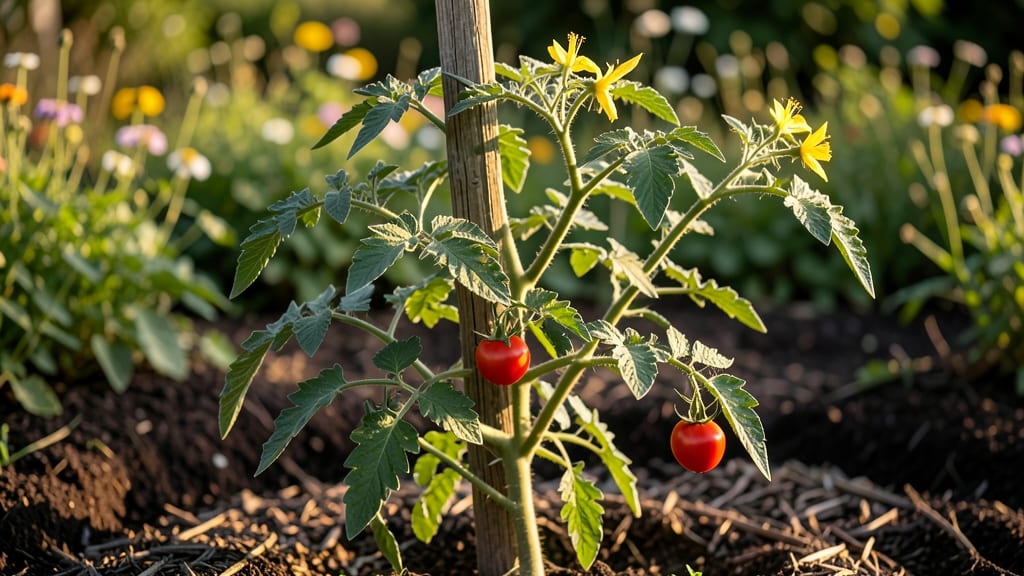
The early girl tomato size can reach 10-pound fruits when you adjust spacing, prune aggressively, and support the vines properly—something I learned after years of struggling with smaller harvests. 🌱 This indeterminate variety grows 6-8 feet tall and spreads 3-4 feet wide, so proper support is key to maximizing those monster tomatoes.
The secret isn't just the plant itself but how you train it to channel energy into fewer, larger fruits instead of dozens of small ones.
The real game-changer is spacing: give each plant 3-4 feet between vines and 4-5 feet between rows. This prevents overcrowding, which leads to smaller fruits and more disease pressure.
I use sturdy cages (5-6 feet tall) or a floppy file system to keep the plants upright—anything less and you'll end up with tomatoes dragging on the ground, splitting, or staying undersized.
By mid-summer, you'll see football-sized tomatoes hanging from the vines, and with proper pruning (removing suckers and lower leaves), you can push those to 10 pounds or more.
The key is balance: enough leaves for photosynthesis, but not so many that the plant wastes energy on foliage instead of fruit. I've grown Early Girls that weighed 12 pounds using this method—though 10 pounds is a realistic target for most gardeners.
This works best in USDA Zones 4-10, but the principles apply anywhere you can grow tomatoes. The only real limitation is your ability to handle the weight—those 10-pound fruits need sturdy supports and careful harvesting to avoid damage.
Here's how to set it up for maximum yield without the guesswork.
📚 In This Guide
- What you need
- Instructions
- Tips and common mistakes
- Wrapping up and next steps
What you need
- ● Early Girl tomato seeds or seedlings: 3–5 plants (choose disease-resistant varieties if possible).
- ● Containers or garden beds: Containers: 5-gallon pots or larger (minimum 18" deep) for each plant.
- ● Garden beds: Well-draining soil with 12–18" depth per plant.
- ● High-quality potting mix: 1–2 bags (sterilized, organic, and rich in compost).
- ● Slow-release fertilizer: 10–10–10 or 5–10–10 blend (follow package rates).
- ● Tomato cages or stakes: 6–8 ft tall (heavy-duty for giant fruit support).
- ● Pruning shears: Sharp, clean pair for trimming suckers.
- ● Watering can or hose with adjustable nozzle: For deep, consistent hydration.
- ● Mulch: Straw or shredded leaves (2–3 inches thick).
- ● Epsom salt: 1 tbsp per plant every 2–3 weeks for magnesium boost.
- ● Fish emulsion or compost tea: For extra nutrients during flowering.
- ● Shade cloth: Lightweight (30–50%) for hot climates.
- ● pH test kit: To ensure soil pH is 6.0–6.8 (tomatoes love slightly acidic soil!).
- ● Grow lights (if indoors): LED or fluorescent for seedlings.
Step-by-Step guide to growing giant Early Girl tomatoes
Here's how I coax those massive, beefsteak-sized fruits from Early Girl plants—techniques I've perfected over years of trial and error.
🌱 Step 1: Select and Prepare the Healthiest Starts
Choose transplants with 4-6 leaves and thick stems—these are the ones primed for giant fruit production. Avoid leggy seedlings; they'll never recover the strength needed for 10-pound tomatoes. I always look for plants with deep green, glossy leaves and no yellowing, which signals disease resistance.
Hardening off is critical: place seedlings outside for 2-3 hours daily over 7-10 days, gradually increasing exposure. The goal is to toughen stems so they can support heavy fruit without snapping. I test readiness by gently tugging—if roots resist slightly, they're ready for the garden.
☀️ Step 2: Plant in Full Sun with Rich, Warm Soil
Early Girls need 8+ hours of direct sunlight daily—no compromise. I plant in late spring after soil warms to 65°F or higher, using a cage or trellis system to support the plant's weight. Bury the stem halfway up the first time to encourage deep root growth, which stabilizes the plant for heavy fruit.
Amend the soil with composted manure or worm castings before planting—this boosts organic matter and nutrient availability. I always add a handful of bone meal at planting time for phosphorus, which fuels root and fruit development. Water deeply after planting to eliminate air pockets around roots.
💧 Step 3: Water Deeply and Consistently
Deep, infrequent watering is key—1-2 inches per week, delivered at the base of the plant. I water in the early morning to prevent fungal diseases from overnight moisture. The soil should stay consistently moist but not soggy—you'll see wilting if it's too dry, but yellowing leaves if overwatered.
Mulch heavily with straw or wood chips to retain moisture and regulate soil temperature. I avoid synthetic mulches—they can bake the soil and stress roots. During fruit set, increase water slightly to 2 inches per week; the plant needs extra hydration to support rapid growth of those giant tomatoes.
✂️ Step 4: Prune and Support for Maximum Fruit Size
Prune aggressively to redirect energy into fewer, larger fruits. Remove suckers (side shoots) weekly, leaving only the main stem and scaffold branches. I also prune lower leaves to improve airflow and reduce disease risk. The goal is a single, strong stem with 3-4 main branches, each bearing 1-2 large tomatoes.
Use a sturdy cage or trellis to support the plant's weight. I tie stems to the support every 2-3 feet with soft plant ties. When tomatoes reach golf-ball size, remove all but the 3 largest per cluster—this forces the plant to invest all its energy into fewer, bigger fruits.
🌿 Step 5: Feed and Monitor for Peak Production
Fertilize every 3-4 weeks with a balanced organic fertilizer (like 5-5-5) to maintain steady growth. I switch to a low-nitrogen, high-phosphorus formula (like 3-8-6) once flowers appear to boost fruit development. Avoid high-nitrogen feeds—this encourages leafy growth at the expense of fruit size.
Watch for blossom end rot (black spots on fruit) and treat immediately with calcium-rich amendments like crushed eggshells or gypsum. I also monitor for pests like hornworms—handpick them daily, as even one can defoliate a plant overnight. With consistent care, those Early Girl tomatoes will swell to 10+ pounds each by late summer.
Tips & tricks for maximizing giant Early Girl tomatoes
Here's what nobody tells you about pushing those Early Girl tomatoes past the 10-pound mark—lessons I learned after years of trial and error.
Seedling Selection Secret: The 4-6 leaf rule is non-negotiable, but here's the real trick: look for seedlings with stems thicker than a pencil. I've found that plants with stems measuring at least 1/4 inch in diameter at the base can support the weight of those massive fruits without snapping. Thin stems are like trying to balance a bowling ball on a toothpick—it's not going to end well.
Pruning Strategy: When you're thinning those clusters down to 3 largest tomatoes in Step 4, don't just grab any three. Choose fruits that are already showing the most promise—look for the ones with the most uniform shape and the deepest red coloration when they're still green. This isn't just about quantity; it's about quality. The plant will put all its energy into developing these selected fruits to perfection.
Soil Temperature Hack: That 65°F minimum isn't just a suggestion—it's the magic number where Early Girl roots start growing aggressively. I've found that using a soil thermometer for a few days before planting helps me time it perfectly. If your soil is cooler than 65°F, consider using black plastic mulch to warm it up faster. Cold soil slows root development, which directly impacts the plant's ability to support heavy fruit.
Watering Timing: The 1-2 inches per week guideline is solid, but here's the pro move: increase that to 2 inches per week the moment you see flowers appear. This extra hydration during fruit set is what pushes those tomatoes from regular size to giant status. I water at the base with a soaker hose in the early morning, which gives the plant all day to absorb moisture before the heat of afternoon sets in.
Pro Tips for Early Girl Tomato Size
- Here's what nobody tells you about pushing those Early Girl tomatoes past the 10-pound mark—lessons I learned after years of trial and error.
- Seedling Selection Secret: The 4-6 leaf rule is non-negotiable, but here's the real trick: look for seedlings with stems thicker than a pencil.
- Pruning Strategy: When you're thinning those clusters down to 3 largest tomatoes in Step 4, don't just grab any three.
Frequently asked questions
Got questions about growing massive Early Girl tomatoes? You’re not alone!
Here are answers to the most common concerns—from sizing secrets to troubleshooting—so you can harvest those 10-pound beauties with confidence.
How big do Early Girl tomatoes really get under ideal conditions?
Early Girl tomatoes typically weigh 4–8 ounces in home gardens, but with proper pruning, staking, and nutrition, they can reach 1–2 pounds (or even 10+ pounds in rare cases!). Focus on determinate pruning, rich soil, and consistent watering to push those limits.
When should I expect my Early Girl tomatoes to reach their maximum size?
Peak size happens 60–80 days after transplanting, but giant specimens may take 2–3 weeks longer to fully ripen. Monitor for color change from green to pink/red—harvest when firm but yielding slightly to pressure. Don’t wait too long! Overripe tomatoes split easily.
Can I grow Early Girl tomatoes in containers, or do they need a garden bed?
Early Girl tomatoes thrive in 5-gallon+ containers with support stakes or cages. Use a high-quality potting mix (add compost or worm castings) and ensure drainage holes. For extra-large fruits, opt for a 10–15 gallon pot—root space matters!
Why are my Early Girl tomatoes staying small, even with good care?
Small tomatoes often signal nutrient deficiencies, poor pollination, or overcrowding. Check for:
If issues persist, test your soil pH (6.0–6.8 is ideal). If you’re chasing monster tomatoes, try these heirloom or hybrid alternatives:
Pro tip: For fastest growth, pair any variety with mycorrhizal fungi (boosts root absorption) and calcium supplements (prevents blossom-end rot).
Are there bigger tomato varieties if Early Girl doesn’t deliver?
Variety
Avg. Size
Days to Maturity
Brandywine
1–2 lbs (some 3+ lbs!)
80–90 days
Cherokee Purple
12–16 oz
75–85 days
Big Beef
1–1.5 lbs
70–75 days
Siberian
1–2 lbs (cold-hardy!)
60–70 days
Wrapping up and next steps
Growing Early Girl tomatoes that reach 10-pound sizes is all about patience, technique, and a little extra care!
With the right pruning, support, and nutrient balance, you’ll be harvesting monster tomatoes in no time. Don’t let small setbacks discourage you—every gardener starts somewhere, and your efforts will pay off with juicy, flavorful giants! 🌱✨
Ready to take your tomato game to the next level? Experiment with different pruning styles or share your progress with fellow gardeners—you might just inspire someone else to grow a record-breaker of their own! Grab your shears and get back to those vines!