
Container Gardens
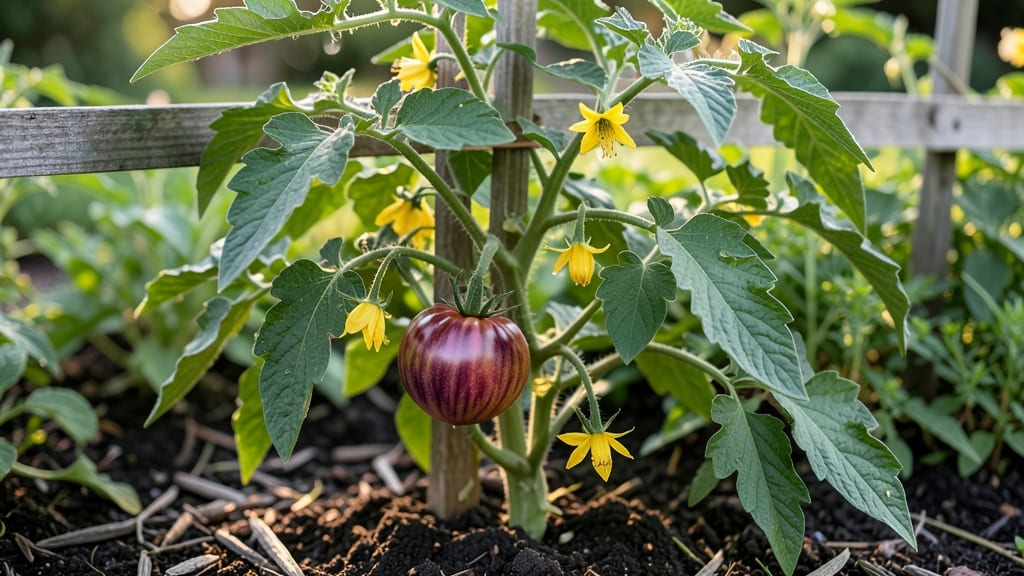
Growing Cherokee Purple tomatoes means turning your garden into a deep purple masterpiece. 🌱 These heirlooms aren’t just beautiful—they’re flavor bombs with rich, smoky-sweet flesh that turns heads (and taste buds) at every summer gathering.
I learned the hard way that these tomatoes need rich, well-draining soil mixed with compost, or they’ll sulk and produce small, bland fruits. Plant them deep—up to the first true leaves—to encourage strong roots, and space them 24-36 inches apart for proper airflow.
The key is patience: they mature late (85-90 days), but every bite of that deep magenta fruit makes it worth the wait. By midsummer, you’ll be harvesting 2-4 pound beauties that look like edible jewels and taste like a sun-warmed tomato should.
The secret’s in the care: consistent watering at the base (never the leaves), regular pruning to focus energy on fruit, and a little extra love when the first blossoms appear. Perfect for both in-ground gardens and large containers (15+ gallon pots).
Here’s how to coax these stunning plants into producing their legendary harvest—without the common pitfalls that trip up new growers.
📚 In This Guide
- What you need
- Instructions
- Tips and common mistakes
- Wrapping up and next steps
What you need
- ● Seeds or Seedlings: 3–5 Cherokee Purple tomato seeds (or 2–3 starter plants if buying seedlings). Pro tip: 💡 Start seeds indoors 6–8 weeks before the last frost for a head start!
- ○ Containers (if gardening in pots): 5-gallon pots or larger (at least 12–18 inches deep) with drainage holes. Optional: Fabric grow bags for better aeration.
- ● High-Quality Potting Mix: 1–2 bags of sterile, well-draining mix (e.g., 60% peat/coir, 30% perlite, 10% compost). Avoid garden soil—it compacts and suffocates roots!
- ● Fertilizer: Starter Fertilizer: Balanced 10-10-10 or fish emulsion (follow package rates).
- ● Growth Booster: Tomato-specific fertilizer (e.g., 5-10-10 or compost tea) for flowering/fruiting.
- ● Support System: Cages (5–6 ft tall) or sturdy stakes (6+ ft) + soft plant ties. Cherokee Purples are heavy!
- ● Mulch: Straw, shredded leaves, or black plastic (to retain moisture and deter weeds).
- ● Watering Can or Drip Irrigation: 1–2 gallons capacity (avoid overhead watering to prevent disease).
- ● Pruning Shears: Sharp, clean pair for harvesting and shaping plants.
- ● Sunlight: Full sun (6–8+ hours daily). Containers may need a sunny windowsill or grow lights indoors.
- ● Temperature: Ideal soil temp: 70–85°F (use a soil thermometer if needed).
- ● pH Level: 6.0–6.8 (test kit recommended; amend with lime or sulfur if needed).
- ● Space: 18–24 inches between plants (or containers) for airflow.
- ● Epsom salt (for magnesium boost during flowering).
- ● Row covers (to protect from pests or early frost).
- ● Companion plants (basil, marigolds, or onions to deter pests).
- ● Trellis net (for vertical growth in small spaces).
Step-by-Step instructions for growing cherokee purple tomatoes
Here's how I grow these stunning heirlooms—with fewer surprises and more flavorful fruit.
🌱 Step 1: Start Seeds Indoors 8-10 Weeks Before Last Frost
Fill 2-3 inch deep seedling trays with sterile seed-starting mix (never garden soil—it's too dense). Press the mix down lightly so it's firm but not packed, then moisten it until water runs out the bottom but doesn't pool. Cherokee Purples germinate best at 75-85°F, so place the tray on a seedling heat mat if your home runs cooler.
Plant 2-3 seeds per cell at a depth of ¼ inch—about the width of a dime. Cover lightly with additional mix and mist the surface until evenly damp. I tap the tray gently to settle the seeds without burying them deeper. Place a clear humidity dome or plastic wrap over the tray to trap warmth and moisture, then set it in a warm, dark spot (like a cabinet) until sprouts appear.
☀️ Step 2: Move to Light and Harden Off Seedlings
Once seedlings emerge (usually 7-10 days), remove the dome immediately to prevent damping-off. Place them under grow lights for 14-16 hours daily, keeping the lights 2-4 inches above the tallest seedlings. You'll notice leggy growth if the light is too far away—those thin, pale stems won't support heavy fruit later.
Two weeks before transplanting, start hardening off by moving seedlings outside for 1-2 hours daily in a sheltered spot. Gradually increase their outdoor time over 10-14 days
Choose a sunny spot with 6-8 hours of direct sun and well-draining soil. Cherokee Purples thrive in slightly acidic soil (pH 6.0-6.8). Dig holes twice as wide as the root ball but no deeper. Space plants 2-3 feet apart in rows 3 feet apart—they need room to sprawl. Transplant on an overcast afternoon to reduce shock. Water deeply at the base, then add 2-3 inches of mulch around (but not touching) the stems. This retains moisture and keeps soil temperatures stable. I stake each plant immediately with 6-foot bamboo stakes to support their heavy fruit—these tomatoes can weigh 1 pound each! Water 1-2 inches per week, aiming for the soil—not the leaves. Cherokee Purples are drought-tolerant once established, but consistent moisture prevents blossom-end rot. Water in the morning so foliage dries quickly, reducing disease risk. You'll know it's working when the soil stays evenly moist 2 inches deep. Feed every 2-3 weeks with a balanced 10-10-10 fertilizer (or tomato-specific formula) mixed at half-strength. Stop fertilizing 4-6 weeks before harvest to let the plant focus on fruit ripening. Prune suckers (the shoots in the leaf axils) regularly to direct energy to fruit production. Pick tomatoes when they're fully colored and slightly soft to the touch. Cherokee Purples develop their signature deep purple hue over 75-90 days. I harvest in the morning when temperatures are cooler—this preserves their rich flavor and prevents sunscald. Use pruning shears to cut stems ¼ inch above the fruit to avoid damaging the plant. Store harvested tomatoes at room temperature until fully ripe, then refrigerate for up to 2 weeks. The flavor deepens as they ripen, so don't rush it—wait for that perfect balance of sweetness and acidity.🪴 Step 3: Transplant After All Frost Risk Has Passed
💧 Step 4: Water Deeply and Fertilize Regularly
✂️ Step 5: Harvest at Peak Ripeness for Best Flavor
Tips & tricks for growing cherokee purple tomatoes
Real talk: These heirlooms are worth the extra care—they pay you back with tomatoes so rich and flavorful you'll never go back to store-bought. Here's what I've learned after growing them for years.
Germination Temperature: Those 75-85°F temperatures in Step 1 aren't just suggestions—they're critical. If your home runs cooler, invest in a seedling heat mat. I've seen germination fail completely when seeds sit in 60°F conditions. Place the tray on top of your fridge if needed to maintain warmth. The seeds need consistent heat to break dormancy, and Cherokee Purples are particularly sensitive to temperature fluctuations.
Light Distance Matters: In Step 2, when you position those grow lights 2-4 inches above the seedlings, don't eyeball it—measure. I use a small ruler to check the distance daily as seedlings grow. Leggy seedlings develop when lights are too far away, and those weak stems can't support the heavy fruit Cherokee Purples produce. Adjust the lights every few days to maintain that distance as plants grow taller.
Transplanting Timing: The 10-14 day hardening off period in Step 3 can't be rushed. I've made the mistake of skipping days to transplant earlier, and the plants wilted dramatically when moved to the garden. Start with just 1-2 hours in sheltered spots, then gradually increase exposure. Watch for signs of stress—yellowing leaves or drooping stems mean you're moving too fast.
Soil pH Check: Before transplanting in Step 3, test your soil pH. Cherokee Purples thrive in 6.0-6.8 range, but many garden soils run higher. If your soil tests above 7.0, amend with sulfur or peat moss before planting. I've seen plants struggle in alkaline soil, showing yellowing leaves even when watered properly. A simple soil test kit (around $10) is worth the investment for these finicky beauties.
Pro Tips for Cherokee Purple Tomato Growing
- Real talk: These heirlooms are worth the extra care—they pay you back with tomatoes so rich and flavorful you'll never go back to store-bought.
- Germination Temperature: Those 75-85°F temperatures in Step 1 aren't just suggestions—they're critical.
- Light Distance Matters: In Step 2, when you position those grow lights 2-4 inches above the seedlings, don't eyeball it—measure.
Frequently asked questions
Got questions about growing Cherokee Purple tomatoes?
You’re not alone! This heirloom beauty is stunning but can be tricky for new gardeners. Below, we tackle the most common concerns—from planting to harvest—to help you grow like a pro.
When is the best time to plant Cherokee Purple tomatoes in containers?
Plant seeds 6–8 weeks before your last frost date indoors (or 4–6 weeks after frost if starting directly in containers). Cherokee Purples thrive in warm soil (60°F+) and need 10–12 hours of sunlight daily. Use black or fabric grow bags (10–15 gallons) for optimal drainage and root health. Pro tip: Harden off seedlings for 7–10 days before transplanting!
Why are my Cherokee Purple tomatoes cracking?
Cracking is common in heirlooms like Cherokee Purples due to uneven watering or rapid growth. To prevent it:
- Water consistently (1–2 inches per week, especially during fruit development).
- Avoid late-season watering (after 10 AM) to reduce stress.
- Use mulch to retain moisture and stabilize soil temps.
How long does it take for Cherokee Purple tomatoes to mature?
From seed to harvest, expect 80–90 days in ideal conditions. If starting with transplants, plan for 60–75 days to fruiting. Patience is key! These tomatoes are worth the wait—their deep purple flesh and rich, smoky-sweet flavor are unmatched. Track progress with a simple growth chart for motivation.
Can I grow Cherokee Purple tomatoes in small containers?
Yes! They adapt well to 5-gallon containers or larger (10+ gallons for bigger yields). Key adjustments:
- Use a balanced fertilizer (like 5-5-5) every 2–3 weeks.
- Prune suckers to focus energy on fruit (not vines).
- Stake or cage plants early to prevent sprawling.
What pests should I watch for with Cherokee Purple tomatoes?
Common culprits include:
- Hornworms: Handpick (they’re easy to spot!) or use BT spray.
- Aphids: Blast off with water or introduce ladybugs.
- Blossom end rot: Caused by calcium deficiency (add crushed eggshells or lime to soil).
Bonus: Can I save seeds from Cherokee Purple tomatoes?
These heirlooms are open-pollinated, so seeds stay true to type. To save them:
- Let a tomato fully ripen and soften on the vine.
- Scoop out seeds + gel into a jar, ferment for 3–4 days (stirs mold growth).
- Rinse seeds, dry on paper towels, and store in a cool, dark place.
Wrapping up and next steps
Growing Cherokee Purple tomatoes is a rewarding journey that brings vibrant color, rich flavor, and a deep sense of accomplishment to your garden.
With the right soil, care, and a little patience, you’ll soon be harvesting those stunning, deep-purple beauties—perfect for salads, sauces, or fresh slicing. Now’s the time to roll up your sleeves, grab your gloves, and let your container garden flourish!
🌱 Your Next Step:
Start small—plant a few seeds or seedlings, and watch your confidence (and tomatoes!) grow. Share your progress with fellow gardeners or tag us in your harvest pics—we’d love to see those gorgeous Cherokee Purples! 🍅✨