
Planting
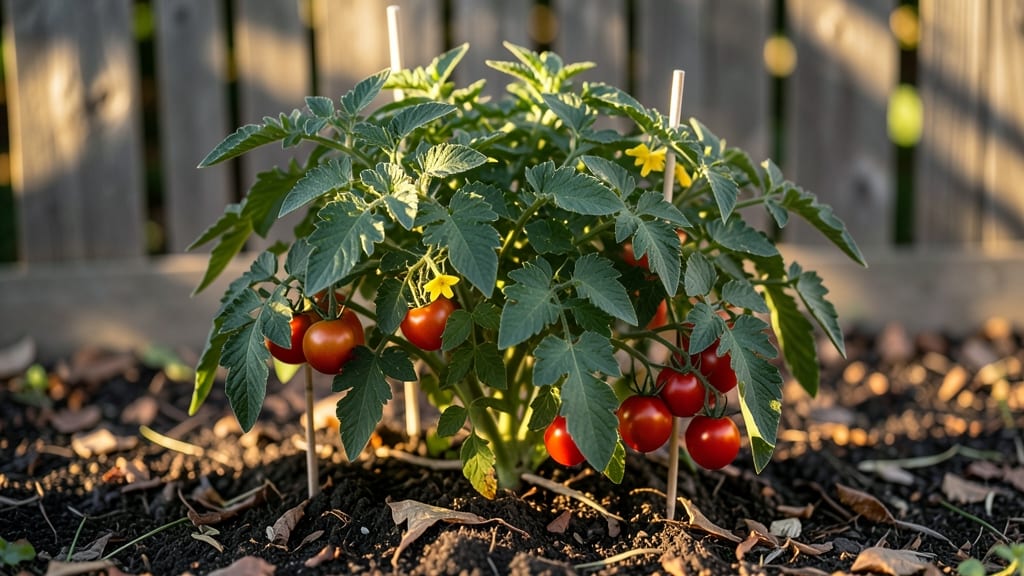
Husky cherry tomato plants deliver sweet, cold-hardy harvests when most tomatoes quit. 🌱 I’ve grown them for years in my Zone 5 garden—they thrive where other varieties wilt, and the flavor? Bursting with bright, tangy-sweetness that rivals store-bought (but tastes 100x better).
Start with well-draining soil (mix in compost) and full sun—6+ hours daily. These plants handle cooler temps better than most, but give them a head start indoors 6-8 weeks before last frost if nights dip below 50°F.
Space them 18-24 inches apart to prevent crowding, and stake early—they produce pounds of fruit if supported.
Water consistently (1-2 inches per week), prune suckers to focus energy upward, and feed with balanced fertilizer every 4-6 weeks. Harvest begins in late summer, snipping clusters when deep red—don’t wait too long, or they’ll turn mealy. One plant feeds a family for weeks.
Their disease resistance means fewer sprays, and they keep producing until frost. Perfect for beginners or busy gardeners—just plant, water, and watch them climb. Ready to grow yours?
📚 In This Guide
- What you need
- Instructions
- Tips and common mistakes
- Wrapping up and next steps
What you need
- ● Husky Cherry Tomato Seeds or Seedlings: 1–2 seed packets (or 4–6 seedlings if starting with transplants)
- ● Look for Lycopersicon esculentum ‘Husky Cherry’ or cold-hardy hybrids.
- ● Containers or Garden Bed: Containers: 5-gallon pots or larger (1 plant per container)
- ● Garden Bed: Well-draining soil, 18–24 inches deep, with full sun (6+ hours/day).
- ● Potting Mix: 1–2 bags of high-quality, sterilized potting mix (avoid garden soil—it compacts!).
- ○ Optional: Add perlite or vermiculite (10–20%) for drainage.
- ● Fertilizer: Balanced, slow-release fertilizer (e.g., 10-10-10) or organic options like compost or worm castings.
- ● Tools: Trowel or small shovel
- ● Watering can or hose with a gentle nozzle
- ● Pruning shears (for later maintenance)
- ● Stakes or cages (3–4 ft tall, 1 per plant)
- ● Mulch (straw or shredded leaves) to retain moisture and regulate soil temp.
- ● Row covers or frost cloth (for early planting in cold climates).
- ● pH test kit (ideal range: 6.0–6.8 for tomatoes).
- ● Drip irrigation system (for consistent watering).
- ● Succession planting seeds (to extend harvests!).
Step-by-step guide to growing cold-hardy Husky cherry tomatoes
This hardy variety thrives where others fail—here’s how to coax its sweet, prolific fruit from seed to harvest.
🌱 Step 1: Start Seeds Indoors 6-8 Weeks Before Last Frost
Fill 2-3 inch deep seed trays with sterile seed-starting mix and press it down lightly until firm. Husky cherry tomatoes germinate best at 70-80°F, so place the tray on a seedling heat mat if your home runs cooler. Plant seeds ¼ inch deep, spacing them ½ inch apart—they’re tiny but pack a flavor punch.
Mist the surface with water until the soil looks evenly damp but not soggy. Cover the tray with plastic wrap to retain moisture and warmth, then place it in a bright spot (a south-facing window or under grow lights). Check daily for condensation—remove the wrap immediately if you see water droplets to prevent damping-off. You’ll see sprouts in 7-14 days.
☀️ Step 2: Provide Strong Light and Fertilize Early
Once seedlings emerge, remove the plastic and move them under 14-16 hours of grow light daily. Husky cherries grow leggy fast without enough light, so keep the fixture 2-3 inches above the plants and raise it as they grow. You’ll know they’re getting enough light when the stems stay thick and leaves stay dark green.
After the first true leaves appear (about 2 weeks), fertilize with a diluted half-strength liquid tomato fertilizer. I use a 10-10-10 mix at ¼ strength weekly—this jumpstarts root growth without burning tender seedlings. Watch for purplish stems, which signal nutrient hunger, and adjust fertilizer strength if needed.
🪴 Step 3: Harden Off and Transplant After Frost
Two weeks before your last frost date, begin hardening off seedlings by placing them outside in a sheltered spot for 1-2 hours daily. Gradually increase their time outdoors over 7-10 days, moving them to sunnier locations each day. Husky cherries handle cooler temps better than most tomatoes, but sudden cold snaps can still shock them—wait until soil is 50°F+ before planting.
Transplant seedlings 18-24 inches apart in well-draining soil amended with compost. Bury stems slightly deeper than their original pots to encourage stronger root systems. Water deeply at planting to settle the soil, then mulch with 2-3 inches of straw to retain moisture and suppress weeds. You’ll see new growth within 7-10 days.
✂️ Step 4: Prune and Support for Maximum Yield
As plants grow, prune suckers (the small shoots that form in the leaf axils) to direct energy to fruit production. Husky cherries benefit from moderate pruning—remove suckers larger than ½ inch but leave smaller ones to encourage bushiness. You’ll also want to prune lower leaves that touch the soil to prevent disease.
Install cages or stakes at planting to support the plants as they grow. Husky cherries can get top-heavy with fruit, so tie the main stem to the support every 3-4 weeks using soft plant ties. When clusters of fruit form, remove the smallest ones to allow the remaining cherries to grow larger and sweeter.
💧 Step 5: Water and Harvest for Continuous Production
Water deeply 1-2 times per week, aiming for 1-1.5 inches of water per week. Husky cherries are drought-tolerant but produce best with consistent moisture—let the top 1 inch of soil dry out between waterings. Avoid wetting the leaves to prevent fungal diseases like early blight, which can devastate tomato plants.
Harvest begins 50-60 days after transplanting, when cherries turn a deep red color and easily pop off the vine. Pick clusters every 2-3 days to encourage more fruit production. The longer you leave them on the vine, the sweeter they become, but overripe cherries split easily. Store harvested tomatoes in the fridge for up to 1 week or freeze them for later use.
Tips & tricks for perfect Husky cherry tomato growth
These hard-earned insights will help you coax the most flavorful, resilient harvest from your Husky cherry tomato plants.
Germination Conditions: The 70-80°F temperature range for germination is non-negotiable—any cooler and you'll face spotty sprouting. I've found that placing seed trays on top of refrigerators (where it's warmer) works wonders when your home runs chilly. Pro tip: Use a seedling heat mat only when needed—continuous heat can actually stress delicate seeds.
Lighting Strategy: The 14-16 hours of grow light daily is crucial for preventing leggy seedlings, but don't let the fixture get too close. I maintain 2-3 inches above the plants and adjust as they grow. Watch for stems that stretch toward the light—this is your first sign they need more intensity. LED grow lights are worth the investment for this step alone.
Transplanting Technique: Burying stems slightly deeper than their original pots creates a stronger root system, but don't go overboard—just 1 inch deeper is plenty. I've seen gardeners accidentally bury stems too deeply, which can cause rot at the soil line. The 18-24 inch spacing might seem generous, but it prevents crowding that leads to disease and poor air circulation.
Pruning Insight: The ½ inch sucker size guideline is your best friend for moderate pruning. I've learned to leave smaller suckers because they actually help create a bushier plant. For disease prevention, focus on removing leaves that touch the soil—this simple step can mean the difference between a thriving plant and one battling early blight. The 3-4 week tying schedule keeps the main stem secure as the plant grows top-heavy with fruit.
Pro Tips for Husky Cherry Tomato Plant
- These hard-earned insights will help you coax the most flavorful, resilient harvest from your Husky cherry tomato plants.
- Germination Conditions: The 70-80°F temperature range for germination is non-negotiable—any cooler and you'll face spotty sprouting.
- Lighting Strategy: The 14-16 hours of grow light daily is crucial for preventing leggy seedlings, but don't let the fixture get too close.
Frequently asked questions
How cold can Husky Cherry Tomato plants tolerate?
The Husky Cherry Tomato is one of the most cold-hardy tomato varieties, surviving light frosts down to 28°F (-2°C). However, for best growth, wait until soil temperatures reach 50°F (10°C) before transplanting seedlings. Young plants may need row covers for extra protection in early spring or late fall.
When is the best time to plant Husky Cherry Tomato seeds?
Start seeds indoors 6-8 weeks before your last frost date for an earlier harvest. Direct-sow outdoors after all danger of frost has passed and soil is warm. In cooler regions, use black plastic mulch to speed up soil warming. For a fall crop, plant seeds 8-10 weeks before your first frost—they’ll produce fruit even in shorter seasons!
Why aren’t my Husky Cherry Tomato plants producing fruit?
If your plants are flowering but not fruiting, check these common culprits:
- Insufficient sunlight: Ensure they get 6-8 hours of sun daily.
- Temperature stress: Husky Cherries need warm days (70°F/21°C+) for pollination.
- Lack of pollinators: Gently shake plants or hand-pollinate with a brush if bees are scarce.
- Over-fertilizing with nitrogen: Switch to a low-nitrogen, high-phosphorus fertilizer to encourage flowering.
Can I grow Husky Cherry Tomatoes in containers?
These compact plants thrive in 5-gallon containers or larger, making them ideal for balconies, patios, or small spaces. Use a well-draining potting mix and a tomato cage or trellis to support vines. Just ensure the container stays consistently moist—container-grown plants dry out faster than in-ground ones.
Do Husky Cherry Tomatoes need hand-pollination?
While they’re self-pollinating, light breezes or bee activity boost fruit set. If your garden lacks pollinators, try:
- Gently tap flowers with a stick or your finger to release pollen.
- Use a small paintbrush to transfer pollen between flowers.
- Plant companion flowers (like marigolds or basil) to attract bees.
Are Husky Cherry Tomatoes good for sauces or eating fresh?
These sweet, tangy tomatoes are fantastic both fresh and cooked! Their small size makes them perfect for:
- Snacking straight off the vine.
- Adding to salads, salsas, or caprese skewers.
- Making quick sauces, jams, or roasted tomato pastes.
Wrapping up and next steps
Growing Husky Cherry Tomato plants is a rewarding journey that brings bursts of flavor and resilience to your garden—even in cooler climates! 🌱 With the right care, these cold-hardy varieties promise a delicious, early harvest that’ll have you savoring sun-ripened sweetness all season long.
Ready to turn your green thumb into a cherry tomato champion? Start by sketching your planting plan (or grab seeds today!) and watch your garden flourish with this easygoing, high-yielding favorite. Happy growing!