
Vegetables
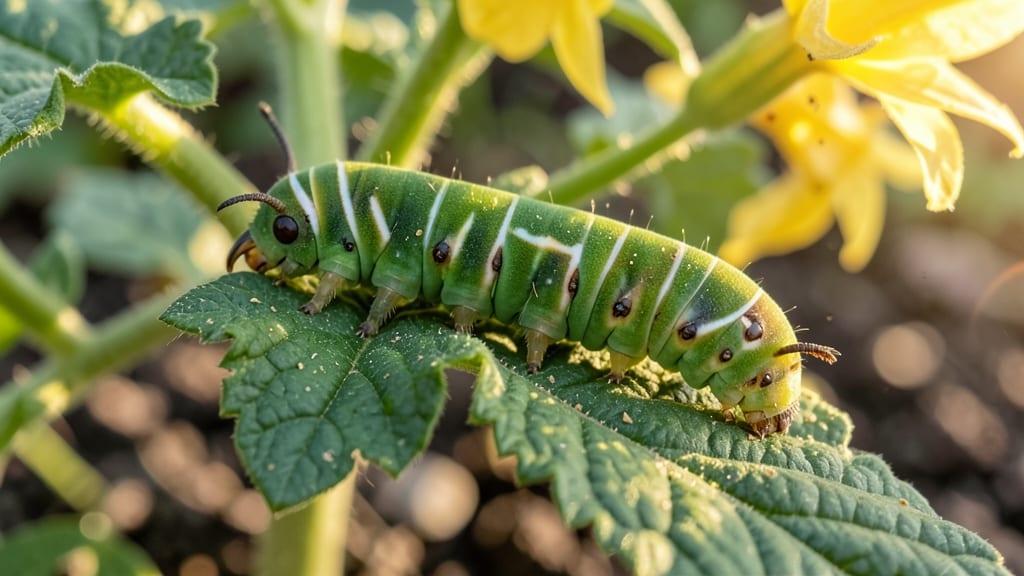
That striped caterpillar devouring your tomato plants isn’t a harmless hummingbird moth—it’s a tomato hornworm, and it’s eating your garden alive. 🌱 I’ve watched these voracious pests strip entire plants bare in just a few days, but there’s a way to stop them without harming your pollinators or the ecosystem.
The key is acting fast: handpicking them (they’re easy to spot with their bold stripes and up to 4-inch length) or encouraging their natural predators like parasitic wasps.
These wasps lay eggs inside the hornworms, turning them into a buffet for birds and other beneficial insects—nature’s pest control at its finest. You’ll protect your tomatoes while keeping your garden thriving, and the best part? These methods work alongside your hummingbird moths, which are harmless pollinators.
No more chemical sprays, just smart, organic solutions that keep your garden—and your sanity—intact.
The damage starts with missing leaves, then skeletonized foliage, and finally, defoliated plants that can’t support fruit. Hornworms hide well, so check the undersides of leaves and stems daily, especially in the morning when they’re sluggish.
A quick drop into soapy water or a jar of vinegar is all it takes to remove them without harming other beneficial insects.
Companion planting with basil, dill, or marigolds can deter hornworms naturally, while attracting parasitic wasps like Cotesia congregata adds another layer of protection. These wasps don’t harm your plants—they only target hornworms, making them a foolproof organic solution for long-term control.
Even if you’ve lost a few plants to these pests before, this method works—no matter how many hornworms you’re facing. The key is consistency: check your plants regularly, remove the pests by hand, and let nature do the rest. Your tomatoes (and your peace of mind) will thank you.
Nature’s Uninvited Garden Guests
When your tomato plants become a buffet for hummingbird moths and their hungry tomato hornworm larvae, it’s not just bad luck—it’s a mix of ecological factors working against your garden.
Understanding why these pests show up in force helps you take targeted action. Here’s why your tomatoes are suddenly under siege.
The tomato hornworm’s life cycle begins when adult hummingbird moths (their close relatives) lay eggs on your plants. Tomatoes are a perfect host because:
- Rich in nutrients: Tomato leaves and stems contain high levels of nitrogen, which hornworms need for rapid growth. Their bodies even glow under UV light—a sign of a protein-rich diet! 🌟
- Soft and tender: Young tomato foliage is easy for larvae to chew through, making it ideal for their voracious appetites. Unlike woody plants, tomatoes offer little resistance.
- Scent and chemistry: Tomatoes emit volatile organic compounds (VOCs) that moths detect from miles away. These chemical signals act like a dinner bell, drawing adults to lay eggs in dense clusters.
Actionable tip: If you notice tiny white eggs on the undersides of leaves, act fast—those hatch into hornworms in 2–5 days. Handpick eggs or spray with a soapy water solution (1 tsp mild soap per quart of water) to disrupt their life cycle.
Hornworms thrive in warm, humid environments with long growing seasons—exactly the conditions many gardeners create for their tomatoes. Here’s how climate plays a role:
| Factor | Why It Helps Hornworms |
|---|---|
| 🌡️ Temperature (70–85°F) | Hornworms grow fastest in this range. Eggs hatch quicker, and larvae pupate into moths in 4–6 weeks instead of months. |
| ☔ Humidity (60%+) | High moisture keeps their skin from drying out and supports fungal growth on their bodies (which can actually kill them—more on that later!). |
| ☀️ Sunlight (6+ hours/day) | Tomatoes grow lushly in sun, providing more food for hornworms. Shady patches slow plant growth, making them less appealing to pests. |
Actionable tip: If your garden is a hornworm hotspot, try row covers early in the season to block adult moths. For existing infestations, prune heavily damaged leaves and drop them into soapy water to drown larvae.
In a balanced ecosystem, hornworms face dozens of natural predators that keep their populations in check. But if your garden is new or lacks biodiversity, these pests can explode. Common predators include:
- 🐝 Parasitic wasps (like Cotesia congregata): These lay eggs inside hornworms, turning them into zombie-like hosts before killing them.
- 🦋 Ladybugs and lacewings: They eat hornworm eggs and young larvae before they become a problem.
- 🐍 Birds and frogs: They snack on exposed larvae, especially if your garden has perches or water sources nearby.
- 🍄 Fungal pathogens (e.g., Beauveria bassiana): These thrive in humid conditions and can melt a hornworm’s body from the inside out.
Why it fails: If your garden lacks flowers (for adult predators) or shelter (like leaf litter or brush piles), these helpers won’t stick around. Actionable fix: Plant native flowers like dill, fennel, or marigolds to attract beneficial insects. Introduce beneficial nematodes (like Steinernema carpocapsae) to the soil—they seek out and kill hornworm pupae.
Too much nitrogen in your soil doesn’t just make tomatoes grow faster—it makes them more appetizing to hornworms. Here’s how:
- Softer leaves: High nitrogen produces tender, fast-growing foliage that’s easier for larvae to devour.
- Higher protein content: Hornworms are protein machines. Nitrogen-rich plants fuel their 1-inch-per-day growth rate.
- Attracts more moths: Lush, nitrogen-fed plants emit stronger chemical signals, luring adult moths to lay more eggs.
Actionable tip: Switch to a balanced fertilizer (like 5-5-5 or 10-10-10) or use compost and organic matter to feed soil slowly. Avoid quick-release nitrogen (like fresh manure or synthetic granules) during peak hornworm season.
Sometimes, we accidentally create the perfect hornworm paradise. Common garden mistakes include:
- 🌱 Planting tomatoes too close together: Dense foliage hides eggs and larvae, making them harder to spot and easier to spread.
- 💧 Overwatering: Soggy soil weakens tomato plants, making them less resilient to pest attacks.
- 🚫 Ignoring early signs: Many gardeners wait until their plants are half-eaten before acting. By then, the infestation is often out of control.
- 🛒 Using broad-spectrum pesticides: These kill beneficial insects first, leaving hornworms with no natural enemies.
Actionable tip: Space plants 18–24 inches apart for airflow and visibility. Use drip irrigation to keep leaves dry (hornworms hate moisture on their backs). For organic control, spray Bacillus thuringiensis (Bt)—it targets caterpillars but is harmless to humans and beneficial insects.
Quick Fixes for Garden Pests
When hummingbird moths and tomato hornworms invade your garden, swift action is key to protecting your plants—especially tomatoes, peppers, and other prized veggies. Below, we’ve mapped out practical, organic solutions tailored to the root causes of these pests, from attraction to infestation.
Follow these steps to reclaim your garden without harsh chemicals.
If you spot hummingbird moths (sphinx moths) hovering near flowers or tomato hornworms munching on leaves, act fast to prevent egg-laying and further damage.
🔥 Handpick & Destroy Larvae
- When: Early morning (hornworms are sluggish and easier to spot).
- How: Wear gloves and pluck hornworms off plants, dropping them into soapy water or a sealed jar.
- Pro Tip: 💡 Check the undersides of leaves—hornworms blend in with stems!
🍳 Trap Adult Moths with Light or Scent
- For hummingbird moths: Use a UV light trap (they’re drawn to bright lights at dusk).
- For sphinx moths: Place a sugar-water trap (1 cup sugar + 1 cup water) near plants—they’ll drown trying to sip.
- Alternative: 🌡️ Hang yellow sticky traps to catch flying adults before they lay eggs.
Prevent future infestations by breaking the moth-hornworm cycle at every stage.
🥘 Remove Eggs & Early Larvae
- Inspect leaves daily (especially tomato and pepper plants).
- Scrape off eggs (tiny, yellow, or white) with a fingernail or soft brush.
- Drown them in soapy water—never release them back into the garden.
🔪 Introduce Natural Predators
Encourage birds, parasitic wasps (Cotesia congregata), and ladybugs to hunt hornworms:
- Install birdhouses near your garden.
- Plant companion flowers like dill, fennel, or marigolds to attract predator insects.
- Release beneficial nematodes (like Steinernema carpocapsae) into the soil—they target hornworm larvae.
Once you’ve removed existing pests, lock them out with these low-maintenance tactics.
🌿 Use Row Covers & Physical Barriers
- Floating row covers (lightweight fabric) block moths from laying eggs while allowing pollination.
- Collar young tomato plants with cardboard or foil to prevent egg-laying at the base.
🎯 Plant Resistant Varieties & Trap Crops
- Choose hornworm-resistant tomatoes like ‘Cherokee Purple’ or ‘Brandywine’ (though no variety is 100% immune).
- Sacrifice a trap crop: Plant basil or sweet alyssum nearby—moths prefer these over your tomatoes.
💡 Organic Sprays (Last Resort)
If infestations persist, use spinosad-based sprays (derived from soil bacteria) or neem oil—both are pet-safe and break down quickly.
- Spray in the evening to avoid harming bees.
- Reapply after rain (every 5–7 days).
Final Note: Consistency is key! Check your garden 2–3 times weekly, especially after rain (when eggs hatch fastest). With these steps, you’ll minimize damage and keep your tomato plants thriving—without chemicals. 🌱🍅
Frequently asked questions
How can I tell if those striped caterpillars are tomato hornworms and not just harmless caterpillars?
Tomato hornworms are green with white diagonal stripes and sometimes yellow stripes, growing up to 4 inches long. Look for their distinctive horn-like projection at the rear. Unlike harmless caterpillars, they’re voracious eaters—check for skeletonized leaves (only veins remain) or missing flowers. If you see them on tomatoes, peppers, or eggplants, they’re likely hornworms.
Are hummingbird moths harmful to my garden?
No! Adult hummingbird moths are harmless pollinators—they help flowers reproduce. The damage comes from their larvae (tomato hornworms), not the moths themselves. The moths are even beautiful to watch as they hover like hummingbirds while feeding on nectar. Focus on controlling the caterpillars, not the moths.
What’s the fastest way to get rid of tomato hornworms without chemicals?
The quickest method is handpicking in the early morning when they’re sluggish. Drop them into soapy water (1 tsp mild soap per quart) or a sealed jar. For a natural boost, introduce parasitic wasps (Cotesia congregata)—they lay eggs inside hornworms, turning them into food for birds within days. Check leaf undersides daily for eggs and destroy them immediately.
Will tomato hornworms kill my tomato plant?
While a few hornworms won’t kill a healthy plant, a severe infestation can defoliate tomatoes, weakening them and reducing fruit production. If left unchecked, plants may stop fruiting entirely. The key is early action: Remove larvae before they strip leaves, and your plant will recover. Focus on prevention (row covers, companion planting) to avoid repeat attacks.
Can I use neem oil or other organic sprays on tomato hornworms?
Yes, but with caution. Neem oil and spinosad (derived from soil bacteria) are effective and pet-safe. Spray in the evening to avoid harming bees, and reapply after rain. For best results, combine with handpicking—sprays work best on small larvae, not full-sized caterpillars. Always test sprays on a small leaf first to check for sensitivity.