
Watering
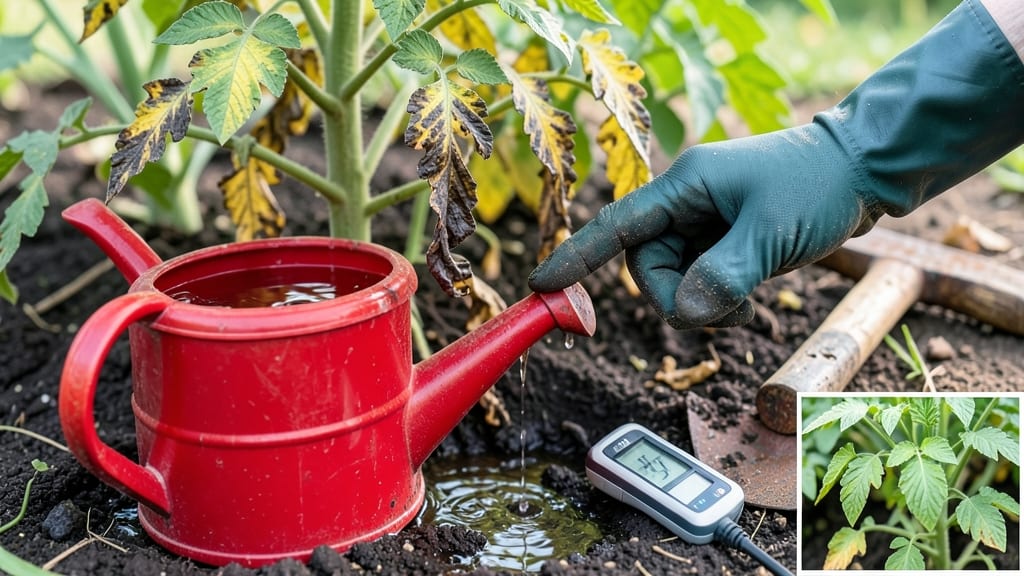
When your tomato leaves look like soggy paper towels after too much water, it’s not just wilting—it’s a cry for help. 🌱 Overwatering turns lush plants into sad, yellowing messes in days, and the damage goes deeper than droopy leaves.
The roots suffocate, fungi move in, and suddenly you’re staring at a plant that’s giving up. I’ve nursed back more tomato plants than I’d like to admit by fixing drainage and adjusting my watering rhythm.
The key is getting water to go where it’s needed—not pooling at the roots or evaporating before the plant can use it. Start by checking the soil: if it’s damp more than an inch down, hold off. Tomato roots need air almost as much as water.
Within a week of proper care, you’ll see crisp green leaves re-emerging and new growth pushing through. The secret isn’t just cutting back on water—it’s making sure what you do give them soaks in efficiently.
Mulch helps, but the real game-changer is amending heavy soil with compost or perlite to keep it loose and breathable. This fix works for container tomatoes too—just swap out soggy potting mix for fresh, well-draining blend. The goal is happy roots, not muddy messes.
Let’s turn those sad plants around fast.
Root Causes of Waterlogged Tomato Leaves
When your tomato plants start showing signs of distress—yellowing leaves, wilting, or even blackened stems—it’s often a cry for help from roots drowning in excess moisture. Understanding the why behind this problem is the first step to saving your plants.
Below, we break down the key factors that lead to tomato leaves struggling with too much water, backed by science and actionable insights.
💧 Why it happens: Tomato plants thrive in well-draining soil, but many gardeners (even seasoned ones) fall into the trap of assuming "more water = healthier plants." In reality, overwatering disrupts the plant’s natural balance by:
- Oxygen depletion: Soil is about 25% air by volume. When overwatered, water fills the pores, suffocating roots and cutting off their oxygen supply. Without oxygen, roots can’t absorb nutrients efficiently, leading to anaerobic conditions—a toxic environment for plants.
- Root rot: Excess moisture creates the perfect breeding ground for Pythium and Phytophthora fungi, which attack root tissues. These pathogens thrive in waterlogged soil, causing roots to rot within days. Once roots decay, the plant can’t uptake water or nutrients, even if the soil appears moist.
- Nutrient leaching: Waterlogged soil washes away essential nutrients like nitrogen, potassium, and magnesium. Tomato plants, which are heavy feeders, become deficient quickly, manifesting as yellowing leaves (a classic sign of chlorosis).
Actionable insight: Stick your finger 1–2 inches into the soil. If it’s damp, wait. If it’s soggy, your tomatoes are drowning. Learn the "finger test" method for perfect watering.
🏗️ Why it happens: Even if you’re watering "just right," compacted or clay-heavy soil can trap excess moisture like a sponge. Here’s how poor drainage sabotages tomato health:
- Water pooling: Containers or garden beds with no drainage holes act as bathtubs for your plants. Roots sit in stagnant water, unable to "breathe." This is especially critical for tomatoes, which hate "wet feet."
- Salt buildup: Over time, minerals from tap water or fertilizers accumulate in the soil. In waterlogged conditions, these salts concentrate around roots, creating a hyper-saline environment that burns root cells and blocks nutrient absorption.
- Temperature fluctuations: Waterlogged soil stays colder longer, slowing root activity. Tomato roots prefer a consistent temperature around 60–75°F. Cold, soggy soil shocks the plant’s metabolism, stunting growth.
Actionable insight: Amend heavy soil with perlite, vermiculite, or coarse sand (20–30% by volume) to improve aeration. For containers, ensure drainage holes are unblocked and use a wicking bed system for self-regulating moisture.
🌧️ Why it happens: Inconsistent watering—like deep soaks followed by drought—tricks tomato plants into thinking they’re in a desert. This erratic cycle stresses roots and leads to:
- Cellular dehydration/rehydration shock: When roots alternate between dry and waterlogged states, cell walls expand and contract rapidly. This damages delicate root hairs, reducing the plant’s ability to absorb water efficiently.
- Fungal invasions: Dry soil cracks open, creating entry points for pathogens. When you suddenly water heavily, these fungi (like Fusarium) multiply rapidly, infecting roots.
- Blossom end rot (indirectly): While primarily caused by calcium deficiency, irregular watering disrupts calcium uptake, leading to the classic tomato fruit disorder.
Actionable insight: Aim for deep, infrequent watering (1–1.5 inches per week) rather than daily shallow drinks. Use a drip irrigation system or soaker hose to deliver water directly to the root zone, reducing evaporation and runoff.
🌍 Why it happens: Not all water stress comes from the gardener’s hand. External conditions can amplify the effects of overwatering:
| Factor | How It Worsens the Problem | Solution |
|---|---|---|
| High humidity | Slows evaporation, keeping soil damp longer and promoting fungal growth. | Space plants 18–24 inches apart for airflow; prune lower leaves to improve circulation. |
| Low temperatures | Cold soil reduces root activity, making it harder for plants to "dry out" between waterings. | Use mulch (straw or wood chips) to insulate roots and retain even moisture. |
| Heavy rainfall | Natural watering can overwhelm soil capacity, especially in raised beds or containers. | Cover plants with shade cloth during storms or move containers to sheltered areas. |
Actionable insight: Monitor the weather forecast and adjust watering schedules. If rain is predicted, hold off until the soil has a chance to dry slightly.
Pro tip: 🌡️ Use a soil moisture meter to track real-time conditions. These $10 tools remove guesswork and help you water only when necessary.
Fixing Overwatered Tomato Leaves
Now that you know the signs and causes of tomato leaves suffering from too much water, it’s time to take action! The good news? With the right steps, you can revive your plants and prevent future issues.
Below, we’ve mapped out practical fixes for common overwatering problems, along with prevention tips to keep your tomatoes thriving.
If your tomato leaves are yellowing, wilting, or developing soft spots, halt watering right away. Overwatering creates a suffocating environment for roots, leading to rot and nutrient starvation. Let the soil dry out slightly before resuming a more balanced watering routine.
Pro Tip: 💡 Use your finger to check soil moisture—if the top 1–2 inches feel damp, wait a day or two before watering again.
If your pots or garden bed have poor drainage, excess water can pool at the roots. Here’s how to fix it:
For Potted Tomatoes:
- 🔥 Empty the saucer under the pot to prevent water from sitting stagnant.
- 🍳 Tip the pot slightly to let excess water drain out completely.
- 👨🍳 Place pots on elevated stands (like bricks or saucers with drainage holes) to improve airflow.
For In-Ground Tomatoes:
- ⏰ Dig a shallow trench around the base of the plant to redirect water away from the roots.
- 🔪 Loosen compacted soil (gently!) to help excess moisture evaporate faster.
Compacted or waterlogged soil suffocates roots. To fix this:
- 🌱 Add organic matter: Mix in compost, coconut coir, or perlite to improve drainage and aeration.
- ✨ Use a fork or trowel to gently loosen the top 6 inches of soil around the plant (avoid damaging roots).
- 🎯 For severe cases: Consider repotting (if in a container) or transplanting to a well-draining bed.
Overwatered leaves may turn yellow, brown, or develop fungal spots. Prune affected foliage to redirect the plant’s energy to healthy growth:
- 🔪 Use sterilized scissors to cut off yellowed or mushy leaves at the base.
- ⏰ Do this in the morning so the plant has time to recover before evening humidity sets in.
- 💡 Avoid over-pruning—remove only the most damaged leaves to prevent stress.
Once your tomatoes are back on track, keep these habits to avoid overwatering again:
- 📊 Water deeply but infrequently: Aim for 1–1.5 inches per week (adjust for rain).
Use a soaker hose or drip irrigation for consistent moisture. - 🌡️ Check soil before watering: Stick your finger in the soil—if it’s dry 1–2 inches down, it’s time to water. - 🌱 Use mulch: Apply 2–3 inches of straw or wood chips around the base to retain moisture without waterlogging. - 💪 Choose the right pot: If growing in containers, pick pots with drainage holes and avoid saucers that trap water. - 🌿 Monitor weather: Adjust watering during heavy rain or humidity—tomatoes hate soggy roots!
If your tomato plant shows blackened stems, foul-smelling soil, or widespread wilting, root rot may have set in.
In severe cases: - 🔄 Repot the plant in fresh, sterile soil (if in a container). - 🌱 Consider propagating cuttings from healthy stems if the main plant is beyond saving. - 💡 For fungal issues, apply a copper fungicide or neem oil spray as a preventive measure.
With these steps, your tomato plants should bounce back stronger—and you’ll gain the confidence to keep them happy and productive all season long! 🍅✨
Frequently asked questions about tomato leaves with too much water
How do I know if my tomato plant has too much water?
Check for yellowing leaves, soggy stems, or mushy roots when gently pulled from the soil. If the soil smells foul or feels compacted, your plant is drowning. Also watch for stunted growth or drooping foliage that doesn’t perk up after a few hours.
Can I save a tomato plant with root rot from overwatering?
In mild cases, yes! First, stop watering immediately and repot the plant in fresh, sterile potting mix with perlite for drainage. Trim any blackened roots with sterilized scissors, then place the plant in bright, indirect light. For severe rot, propagation from healthy stems may be your best option.
Why do my tomato leaves turn yellow when I water them?
Yellowing leaves often signal nutrient leaching or root suffocation from excess moisture. Overwatering washes away essential nutrients like nitrogen, while poor drainage prevents roots from accessing oxygen. Focus on improving soil aeration and watering only when the top 1-2 inches feel dry.
How often should I water tomato plants to avoid overwatering?
Aim for deep watering 2-3 times per week (about 1-1.5 inches total), adjusting for rain. Use your finger to check soil moisture—if damp 1-2 inches down, wait. Morning watering gives plants time to dry before evening humidity sets in. Containers dry faster than garden beds.
Will mulch help prevent overwatering in tomato plants?
Mulch actually helps regulate moisture by slowing evaporation while preventing soil compaction. Apply 2-3 inches of organic mulch (like straw or wood chips) around plants, keeping it 2 inches away from the stem. This creates a protective barrier that maintains even moisture without waterlogging.