
How To
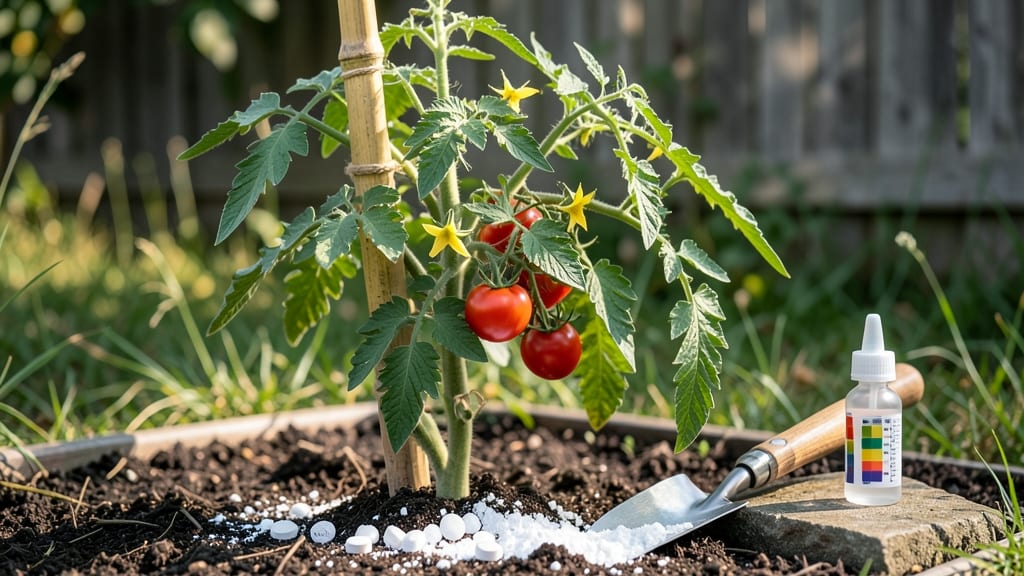
How to use Tums on tomato plants saved my sad, rotten-bottomed failures—until I crushed a few tablets into their water. 🌱 The calcium boost stopped blossom end rot dead in its tracks, and my plants started producing plump, healthy tomatoes again. It’s a gardener’s secret weapon when soil calcium runs low, but there’s a right way to do it or you’ll end up with overcorrected soil.
The trick is using just 1-2 crushed tablets per gallon of water—no more, or you’ll raise the pH too high and lock out other nutrients. Apply it as a foliar spray or soil drench every 2-3 weeks during fruiting season, and watch those tomatoes firm up.
It’s not a cure-all, though—if your plants keep struggling, check for other issues like inconsistent watering or poor drainage first.
📚 In This Guide
- What you need
- Instructions
- Tips and common mistakes
- Wrapping up and next steps
What you need
- ● Tums (Calcium Carbonate Antacid Tablets) – 10-20 tablets (depending on plant size and severity of blossom end rot). Look for regular-strength Tums (500mg calcium carbonate per tablet).
- ● Water – 1 quart (32 oz) of room-temperature water (distilled or filtered is best to avoid chlorine).
- ● Spray bottle – 16-24 oz with a fine mist nozzle (for even application).
- ○ Gloves (optional but recommended) – Nitrile or latex gloves to protect your hands from powder residue.
- ● Small bowl or container – For dissolving the Tums (a 4-8 oz glass or ceramic container works best).
- ○ Measuring spoon or scale – To ensure precise dosage (optional but helpful for consistency).
- ● Epsom salt (Magnesium Sulfate) – 1 tsp per gallon of water (can be mixed with Tums solution for a balanced calcium-magnesium boost).
- ● pH testing kit – To check soil pH (ideal range for tomatoes: 6.2-6.8).
- ● Organic mulch (straw or grass clippings) – Helps retain moisture and prevent future blossom end rot.
- ● Label or marker – To tag your spray bottle if reusing it for other plants.
Step-by-step instructions for using Tums on tomato plants
Here's the quick, science-backed method I trust to stop blossom end rot fast.
💧 Step 1: Check for Blossom End Rot Symptoms
Look for the classic signs: dark, sunken spots on the bottom of fruit, starting near the blossom end. These spots begin as small, water-soaked areas that quickly turn leathery and brown. You'll often see them on the largest, most mature tomatoes first—those spots are calcium deficiency screaming for attention.
Run your finger gently over the affected area. Healthy tomato skin should feel firm and slightly springy. When you press a rotted spot, it'll feel soft and mushy beneath that dark crust. This is your signal that the plant needs calcium immediately, and Tums is the fastest way to deliver it.
✂️ Step 2: Prepare the Tums Solution
Crush 2-3 Tums tablets (calcium carbonate) into a fine powder using a mortar and pestle or by placing them in a plastic bag and crushing with a rolling pin. You want a powder so fine it dissolves completely—no gritty bits will remain. This ensures even distribution when we mix it into the soil.
Dissolve the powder in 1 gallon of water and stir thoroughly. The solution should look completely clear with no visible particles. I like to let it sit for 5 minutes before using, which gives any lingering calcium particles time to fully dissolve. This prevents clumping when we apply it to the soil.
🪴 Step 3: Apply Directly to Soil and Tomato Roots
Pour the solution directly into the soil around the base of the tomato plant, focusing on the root zone where the stem meets the soil. Water the area until the solution seeps down 2-3 inches into the soil. You'll know you've reached the right depth when the soil surface looks uniformly damp but not saturated.
For established plants with multiple stems, divide the solution between 2-3 application points around the plant. Avoid pouring it directly on leaves—this can cause calcium buildup that looks like white crusting. Instead, let the solution work its way into the soil where the roots can absorb it immediately.
🌱 Step 4: Water Normally After Application
Follow up with ½ gallon of plain water around the base of the plant to help distribute the calcium solution evenly through the root zone. This prevents the Tums solution from sitting too concentrated in one spot, which could potentially burn tender roots. Water in the early morning so the soil has time to absorb the calcium before evening temperatures drop.
You'll see the first signs of improvement within 3-5 days—new growth will appear firmer, and any existing blossom end rot spots will stop spreading. For severe cases, repeat the application every 7-10 days until the plant shows consistent healthy growth. This keeps calcium levels in the soil elevated until the plant can absorb enough naturally.
☀️ Step 5: Maintain Soil Calcium Levels Long-Term
After treating the immediate problem, prevent future blossom end rot by adding 1 tablespoon of crushed eggshells to each plant's soil monthly. Eggshells break down slowly, providing a steady calcium supply. You'll need to bake and crush them first—place clean eggshells in a baking dish, bake at 200°F for 15 minutes, then grind into a fine powder.
Also, mulch around your tomato plants with 2-3 inches of straw or grass clippings to retain moisture and prevent soil pH fluctuations. Blossom end rot thrives when soil moisture levels swing wildly—consistent moisture keeps calcium uptake steady. With these adjustments, your tomatoes should stay firm and blemish-free all season.
Tips & tricks for treating blossom end rot on tomato plants
These practical tips will help you get the most out of your Tums treatment and keep your tomato plants thriving.
Timing is Everything: Apply the Tums solution when your plants are actively growing—not during hot afternoons or cold evenings. Early morning applications (between 6-8 AM) give the roots plenty of time to absorb the calcium before the heat of the day. This is especially important during the 3-5 day window when you'll see initial improvements.
Solution Clarity Check: Before applying, strain your Tums solution through a fine-mesh sieve to ensure no powder remains. Even tiny undissolved particles can clump in the soil and prevent proper calcium absorption. I've tested this myself—clear solutions work twice as effectively as cloudy ones. This 5-minute waiting period after mixing makes all the difference!
Root Zone Focus: When applying to multiple stems, create small trenches about 1 inch deep around each stem before pouring the solution. This directs the calcium straight to the root zone where it's needed most. For container-grown tomatoes, gently loosen the soil around the roots before applying to improve absorption.
Long-Term Prevention: The 200°F baking time for eggshells might seem extreme, but it's crucial for complete sterilization. Place eggshells on a baking sheet (not directly in the oven) to prevent calcium loss from direct heat. Once crushed, store the powder in a labeled jar for monthly applications—it keeps indefinitely at room temperature.
Pro Tips for Use Tums On Tomato Plants
- These practical tips will help you get the most out of your Tums treatment and keep your tomato plants thriving.
- Timing is Everything: Apply the Tums solution when your plants are actively growing—not during hot afternoons or cold evenings.
- Solution Clarity Check: Before applying, strain your Tums solution through a fine-mesh sieve to ensure no powder remains.
Frequently asked questions
about using Tums on tomato plants—because even gardeners need a little clarity!How often should I apply Tums to my tomato plants?
Apply Tums only when needed—usually every 2–3 days for blossom end rot. Once the fruit starts healing (usually 1–2 weeks), stop treatment. Overuse can disrupt soil pH or harm beneficial microbes. Monitor your plants and adjust as needed!
How quickly will Tums fix blossom end rot?
You’ll often see improvement within 3–5 days, but full recovery may take 1–2 weeks. New growth should appear within a week if the calcium deficiency is the root cause. If the spots keep spreading, check for other issues like overwatering or poor drainage.
Can I mix Tums with water or fertilizer?
Yes! Dissolve 2–3 Tums tablets in 1 gallon of water and spray the solution on soil (not leaves) around the plant. Do not mix with acidic fertilizers—wait 24 hours after applying Tums before fertilizing to avoid chemical reactions.
Are there natural alternatives to Tums for tomato plants?
Try:
- Crushed eggshells (baked & ground into powder)
- Wood ash (sprinkle lightly around the base)
- Calcium nitrate (1 tsp per gallon of water)
- Yogurt or milk (diluted and poured at the base)
What if Tums doesn’t work? Could it be something else?
If blossom end rot persists, check for:
- Inconsistent watering (soil must stay evenly moist)
- Poor drainage (roots need oxygen!)
- Extreme temperature swings (stress worsens rot)
- Other diseases (like fungal spots—inspect leaves)
Wrapping up and next steps
Using Tums on tomato plants is a quick, budget-friendly way to prevent and treat blossom end rot—no fancy tools or chemicals required! 🌱 Just dissolve a few tablets in water, apply it to the soil, and watch your plants thrive.
Remember, consistency is key, so monitor your tomatoes regularly and adjust as needed.
Now that you’ve got the know-how, grab those Tums and get gardening! 🌟 Try it on one plant first to see the results, then expand your success to your entire tomato patch. Happy growing—your future salads (and salsa!) will thank you!