
Companion Plants
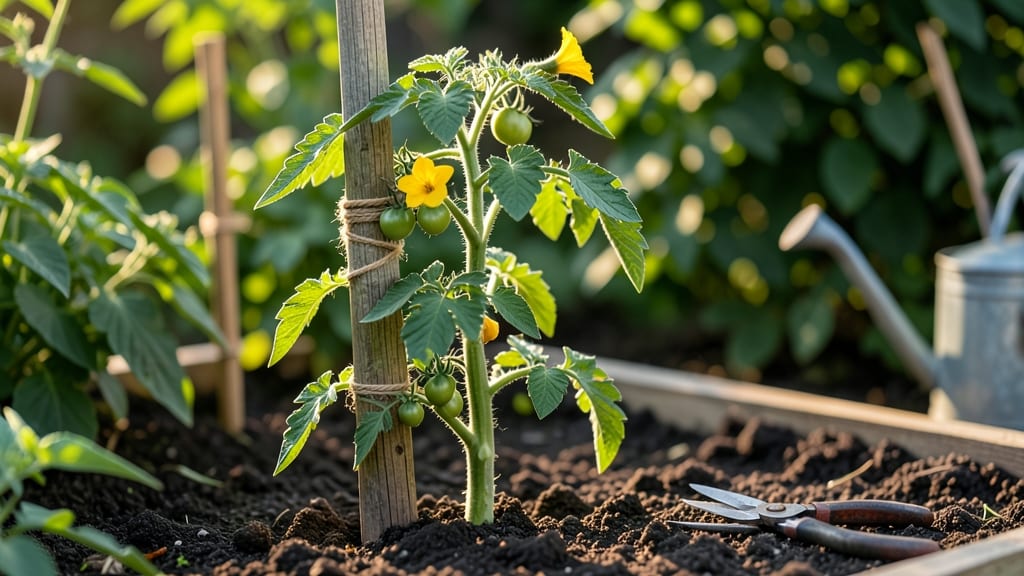
String trellises how to support tomato plants with string turn sprawling tomato vines into vertical powerhouses. 🌱 I used to dread the sight of flopping plants until I discovered how 3 simple strings could transform my garden—no sagging, no broken stems, just steady growth reaching for the sky.
The secret lies in proper placement and gentle tying. You'll need 3 lengths of twine (or soft cloth strips), a hammer, and a sturdy post. Drive your post deep enough so it doesn't wobble, then tie strings at 12-inch intervals—top, middle, and bottom.
This creates a cradle for your vines without strangling them as they grow.
By summer's end, you'll have tomatoes within arm's reach instead of buried in foliage. The plants stay healthier, fruit ripens faster, and you avoid the dreaded "tomato blight" from wet leaves touching the ground. Even my black thumb can't mess this up.
Works for both determinate (bush) and indeterminate (vining) varieties, and you can reuse the system year after year. Here's how to make it foolproof—no more flopping vines in your future!
📚 In This Guide
- What you need
- Instructions
- Tips and common mistakes
- Wrapping up and next steps
What you need
- ● String or twine: 1–2 spools of jute twine (3/16"–1/4" thick) or polypropylene rope (1/8"–3/16" diameter)
- ○ Optional: UV-resistant string for longer-lasting support
- ● Trellis or stakes: 4–6 bamboo stakes (5–6 ft tall) or wooden posts (2x2 or 4x4, 6–8 ft)
- ● Alternative: A T-post or metal rod for extra stability in windy areas
- ● Measuring tape or ruler (to ensure even spacing)
- ● Scissors or pruners (for trimming string to size)
- ● Staple gun or strong clips (to secure string to stakes)
- ● Garden twine or zip ties (to anchor stakes to the ground)
- ● Soft plant ties (to gently secure tomato stems without damaging them)
- ● Hose or spray bottle (to keep string damp for easier handling)
- ● Garden twine dispenser (for hassle-free stringing)
- ● Non-woven landscape fabric (to protect stakes from rotting)
Step-by-Step instructions for supporting tomato plants with string
Here's the simple method I use to keep my tomato vines growing straight and strong—no flopping, no wasted energy.
🪴 Step 1: Install Sturdy Posts at Each Plant
Drive a 5-foot wooden stake or metal rod into the ground about 6 inches deep next to each tomato plant. I like to place it 3-4 inches away from the stem so the vine can lean against it naturally. Tap the stake firmly until it doesn't wobble—you want it to stay upright even if you push it.
For windy areas, I add a second stake on the opposite side of the plant and tie them together at the top with twine. This creates a simple frame that prevents leaning. The key is to install stakes early—once the plant is already leaning, it's harder to straighten without damaging the stem.
💧 Step 2: Attach String Horizontally at Key Heights
Cut 10-12 feet of heavy-duty twine (or jute string) and tie it securely to the top of the stake at about 6 inches above the plant's current height. Then, stretch the string horizontally to the next stake and tie it off. Repeat this process every 12-18 inches as the plant grows—this creates a ladder for the vine to climb.
Here's the trick: don't pull the string tight like a guitar string. Leave it loose enough that you can easily wrap the vine around it. Too-tight strings can cut into the stem as the plant grows. I like to adjust the tension as the vine thickens, making sure it can slide up without resistance.
✂️ Step 3: Train the Vine to Climb as It Grows
When the tomato plant reaches the first string, gently wrap the main stem around it in a figure-eight pattern. This encourages upward growth and prevents the vine from snapping under its own weight. I do this every 3-5 days as new growth appears—just a few seconds per plant keeps everything aligned.
Watch for side shoots (those little "suckers" that grow in the leaf axils). If you're growing indeterminate varieties, you can leave some for bushier plants, but for straight vines, pinch them off. This redirects the plant's energy into the main stem and upward growth. You'll see the difference in just a few weeks—thicker stems and fewer broken branches.
☀️ Step 4: Adjust and Reinforce as Plants Mature
Every 2-3 weeks, check that the string hasn't loosened or broken. If the vine outgrows the highest string, add another layer before it gets too heavy. I like to use a small hook or staple to attach new strings to the existing ones—it keeps everything neat and prevents tangles.
As the plant gets top-heavy with fruit, you might need to add a third stake in the center and tie it to the main supports. This creates a triangle of stability that prevents the whole plant from toppling. The goal is to mimic how tomatoes grow in the wild—climbing for light while staying upright.
⏰ Step 5: Harvest and Maintain Through the Season
Once the first tomatoes appear, you'll want to harvest them regularly to keep the plant producing. I like to tie a small mesh bag to the string below each cluster—this keeps the fruit off the ground and makes picking easier. The bags also protect tomatoes from cracking if it rains while they're still growing.
At the end of the season, if you're saving seeds, let a few tomatoes stay on the vine until they're fully ripe and soft. Then, cut the string and gently lower the plant to the ground. You can either compost it or use the remaining twine for next year's supports—just wash it with soapy water to remove any plant residue.
Tips & tricks for supporting tomato plants with string
Here's what I've learned after years of keeping my tomato vines standing tall and proud.
Stake Placement Matters: In Step 1, place the 5-foot stake about 3-4 inches from the plant stem—not too close, or you'll restrict growth, but not too far, or the vine won't naturally lean against it. For windy gardens, I always add that second stake at the start. The triangle formation created by three stakes (two on sides, one center) is my secret for preventing top-heavy plants from toppling when fruit sets in. This simple reinforcement makes all the difference during summer storms.
String Tension Technique: During Step 2, think of the twine like a gentle hug—not a straitjacket. The key is to adjust tension every 2-3 weeks as the vine thickens. If you notice the string digging into the stem, loosen it immediately. I use a small piece of plastic tubing around the stem where it meets the string to prevent any rubbing. This small detail keeps your plants healthy and prevents those unsightly marks where the string might irritate the vine.
Pruning Strategy: When you're pinching off those side shoots in Step 3, don't just grab and yank! Use clean pruning shears or your fingernail to make a clean break just above the leaf axil. This prevents tearing and gives the plant a cleaner wound to heal. I've found that doing this every 3-5 days keeps the plant's energy focused upward, resulting in those thick, sturdy stems that can support heavy fruit loads without snapping.
Harvesting Hack: In Step 5, those mesh bags aren't just for keeping tomatoes clean—they're also my secret weapon against cracking. When you tie a bag below each cluster, it creates a gentle cushion that absorbs some of the shock when it rains. Plus, the bags make harvesting a breeze. I like to use small, breathable bags that still allow sunlight to reach the tomatoes, preventing them from turning green in the shade.
Pro Tips for Support Tomato Plants With String
- Here's what I've learned after years of keeping my tomato vines standing tall and proud.
- Stake Placement Matters: In Step 1, place the 5-foot stake about 3-4 inches from the plant stem—not too close, or you'll restrict growth, but not too far, or the vine won't naturally lean against it.
- String Tension Technique: During Step 2, think of the twine like a gentle hug—not a straitjacket.
Frequently asked questions
Got questions about keeping your tomato plants upright with string? You’re not alone! Here are answers to the most common queries—so you can grow like a pro without the sagging vines.
1. What’s the best type of string to use for tomato plants?
Opt for soft, biodegradable twine (like jute or hemp) or plastic-coated string (for durability). Avoid wire or sharp materials that can damage stems. If you’re eco-conscious, jute breaks down naturally—just replace it as the plant grows!
2. When should I start tying up tomato plants with string?
Begin when plants reach 12–18 inches tall and show the first signs of top-heavy growth. For indeterminate varieties (which grow continuously), tie every 6–12 inches as they climb. Determinate (bush) types need support earlier—start at 6 inches to prevent sprawling.
3. How often do I need to retie the string as tomatoes grow?
Check your supports weekly during active growth. Loosen or retie string every 1–2 weeks to avoid girdling (where the string cuts into the stem). Pro tip: Use a figure-eight loop around the stem to distribute pressure gently.
4. Can I use alternatives like stakes or cages instead of string?
String is great for organic, low-cost support, but stakes (bamboo or wooden) or cages work too. For a hybrid approach, combine string with a central stake—weave the string in a crisscross pattern for extra stability. Just ensure whatever you choose won’t rot or collapse under weight!
5. Why are my tomato leaves yellowing or wilting after tying?
Yellowing or wilting often signals over-tightening or poor circulation. Loosen the string immediately and check for girdling (indentations in the stem). If leaves droop but stems feel firm, it’s likely heat stress—provide shade or water deeply. For severe cases, trim damaged leaves to redirect energy to fruit production.
Bonus: How do I keep string from slipping or breaking?
Secure the top of the string to a sturdy post or trellis (bury it 6–12 inches deep for stability). For extra grip, wrap the string around the stem twice before tying. If using plastic string, add a rubber band or soft cloth between the string and stem to prevent abrasion.
Wrapping up and next steps
Supporting your tomato plants with string isn’t just practical—it’s a game-changer for bountiful, healthy vines! 🌱 With the right materials and a little patience, you’ll transform floppy plants into sturdy, space-saving towers. The best part? You’re not just preventing sagging—you’re boosting airflow, reducing disease risk, and maximizing harvests.
Now that you’re armed with tips and tricks, roll up your sleeves and try it out!
Start with one or two plants, experiment with different string types, and watch your garden thrive. Ready for next-level tomato success? Check out our guide on companion planting to pair your trellised tomatoes with the perfect garden buddies!