
Pests
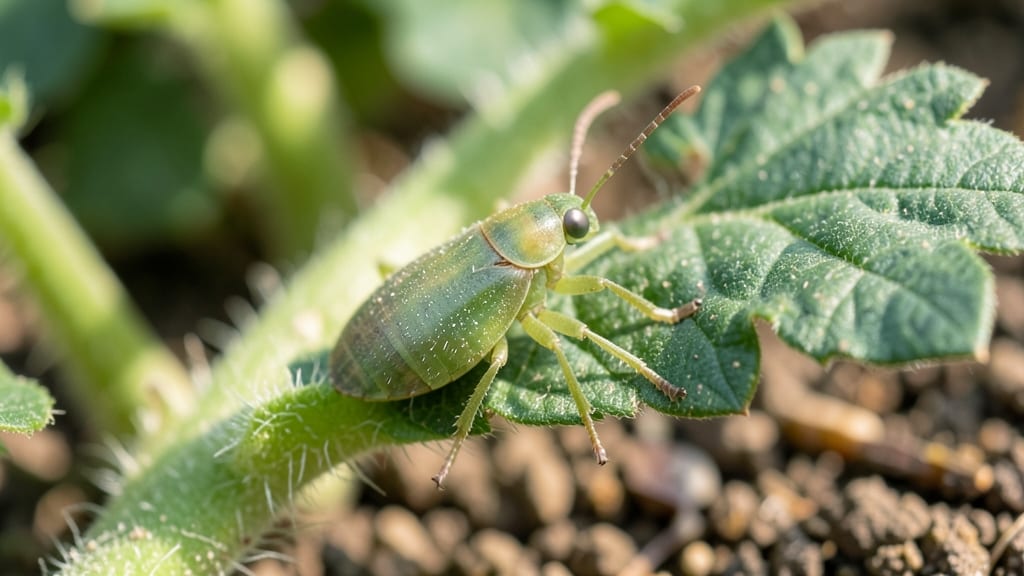
To get rid of tomato aphids, spray plants with a mixture of water, dish soap, and neem oil in the early morning or evening, targeting undersides of leaves where aphids cluster. Repeat every 3-4 days until infestation clears, focusing on organic control methods to protect beneficial insects.
Tomato aphids thrive in hidden spots like leaf undersides and new growth, making targeted sprays your best defense. 🌱 The key is consistency—neem oil disrupts their life cycle while dish soap suffocates them, but you must hit them when they're most vulnerable (early morning or evening).
I've seen gardeners eliminate heavy infestations in just 24 hours by combining this spray with a strong blast of water to knock off aphids before applying. Always test your spray on a small area first, as some tomato varieties have sensitive foliage.
What sets these organic methods apart is their dual action: they kill aphids while preserving the ecosystem. Unlike chemical pesticides, neem oil and soap sprays don't harm bees or ladybugs, which are crucial for your garden's health.
For stubborn cases, I recommend rotating between neem oil and insecticidal soap to prevent resistance. The secret weapon? Adding a few drops of cayenne pepper to your spray—it acts as a natural repellent that aphids can't stand.
💡 In This Article
- How Neem Oil and Soap Sprays Kill Tomato Aphids
- 3 Fast-Acting Organic Sprays for Tomato Aphids
How neem oil and soap sprays kill tomato aphids
Neem oil works as a natural insecticide because it contains azadirachtin, a compound that disrupts aphid feeding and reproduction.
When sprayed on tomato plants, this oil coats the aphids' bodies and enters their digestive systems, causing hormonal imbalances that prevent them from maturing. 🌿 The aphids stop feeding within hours, and their population declines as adults fail to reproduce.
What's fascinating is how neem oil also repels aphids through its strong odor—aphids have sensitive olfactory receptors that detect the oil's bitter compounds, making them avoid treated plants entirely.
The dish soap component plays a different but equally crucial role. Aphids have a waxy exoskeleton that helps retain moisture, but soap molecules break down this protective layer.
When you spray the mixture, the soap's surfactants penetrate the aphids' tiny breathing pores (spiracles), causing dehydration and suffocation. 🧼 For best results, use a mild liquid dish soap like Dawn (1 teaspoon per quart of water) because harsher soaps can damage plant leaves.
The combination of neem oil and soap creates a double attack—one that disrupts their biology while the other physically destroys their protective barriers.
Timing your application matters because aphids are most active during cooler parts of the day.
Early morning or evening sprays (before 8 AM or after 6 PM) maximize effectiveness by catching them when they're feeding, while also minimizing exposure to bees and other pollinators. 🐝 The heat of midday causes many aphids to retreat to shaded areas, making them harder to reach.
Additionally, spraying in the evening allows the solution to dry slowly, giving the neem oil more time to work its magic overnight when aphids are most vulnerable.
Here's what happens chemically: neem oil's active compounds interfere with the aphids' juvenile hormone system, preventing them from molting properly. This means even if some aphids survive the initial spray, they won't be able to reproduce, breaking the infestation cycle.
The soap's mechanical action provides immediate results—you'll often see aphids falling off leaves within minutes of application. This dual mechanism is why gardeners see visible reductions in aphid populations within 24 hours of proper treatment.
For maximum impact, focus your spray on the undersides of leaves where aphids cluster, as well as new growth areas. Aphids prefer these spots because they're protected from predators and direct sunlight. 🌱 Use a handheld sprayer with a fine mist setting to ensure complete coverage.
What most people don't realize is that neem oil also has antifungal properties—it prevents sooty mold from developing on tomato leaves, which often follows aphid infestations. This makes your spray a two-for-one solution for healthier plants.
One important consideration is that neem oil breaks down in sunlight, so always store your mixture in an opaque container and use it within 24 hours of preparation. The soap component is stable but should still be applied fresh for best results.
For organic gardeners, this combination represents one of the safest yet most effective ways to control aphids without harming your garden's ecosystem or the tomatoes you're growing.