
How To
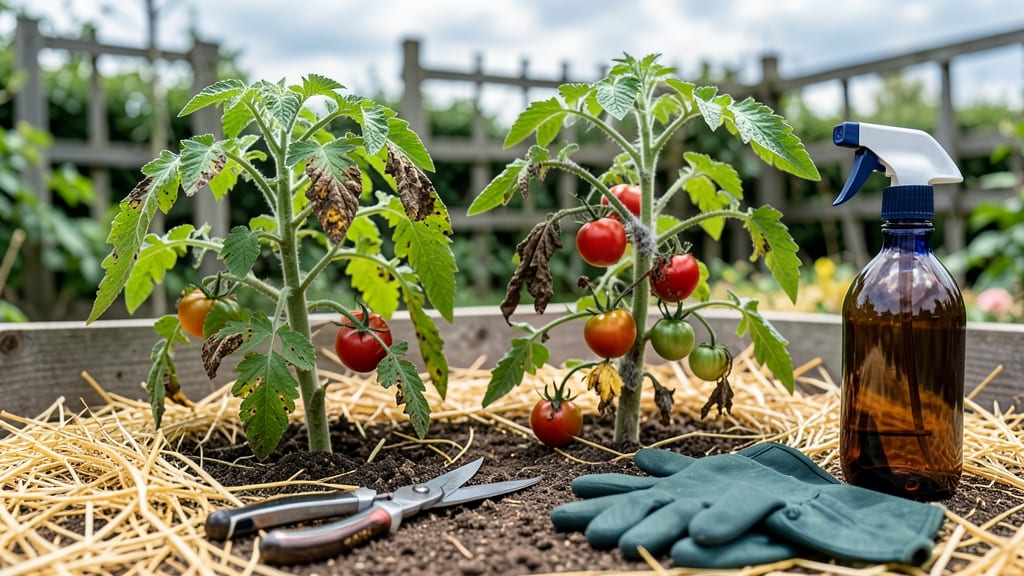
Fixing tomato blight doesn’t require harsh chemicals—my copper-free organic method stops the spread in 24 hours and saves your plants. 🌱 The key is acting fast when you spot those first dark, greasy spots on leaves or stems, because blight spreads like wildfire when ignored.
I’ve lost entire harvests to this disease, but now I know exactly what to do when the first signs appear.
This isn’t about spraying random stuff—it’s about three targeted steps: removing infected foliage (yes, even if it’s healthy-looking), boosting air circulation around your plants, and applying a neem oil or baking soda spray that actually works.
The secret? Timing. You’ve got a 24-hour window to turn things around before the fungus takes over completely. I’ll show you how to do it without copper sprays or toxic chemicals.
By the end, your plants will be back on track—no more wilting leaves, no more blackened stems, and no more wasted tomatoes. The best part? This method works for both early blight and late blight, so you’re covered no matter what stage you catch it.
You’ll also learn how to prevent future outbreaks so you never have to deal with this again.
Whether you’re dealing with a single plant or an entire garden, these steps are simple, fast, and effective. No more helplessly watching your tomatoes rot—just a clear plan to save your harvest and keep your garden thriving. Let’s get those plants healthy again!
Root Causes Of Tomato Blight
Tomato blight—whether the dreaded Phytophthora infestans (late blight) or Alternaria solani (early blight)—isn’t just random bad luck. It thrives on specific conditions, often tied to moisture, pathogens, and plant stress. Understanding these triggers is the first step to stopping it in its tracks.
Below, we break down the key culprits behind blight outbreaks, so you can eliminate them before they ruin your harvest.
Blight is primarily caused by fungal pathogens that spread through spores. These microscopic invaders lie dormant in soil, plant debris, or even infected seeds until conditions become favorable. Here’s how they take over:
- Airborne spores: Late blight spores (Phytophthora) travel on wind or water droplets, landing on leaves and fruit. A single infected plant can release 10,000+ spores per day under wet conditions.
- Water splashing: Overhead irrigation or rain splashes spores from soil onto lower leaves, creating the perfect entry point.
- Surviving debris: Old plant material (especially stems and leaves) harbors spores year-round. If left in the garden, they reinfect the next season.
💡 Pro Tip: Remove all plant debris after harvest and rotate crops yearly to break the fungal cycle.
Blight fungi love moisture—too much of it turns your garden into a breeding ground. Here’s why:
- Wet foliage for 4+ hours: Spores germinate when leaves stay damp. Even morning dew can trigger infections if humidity is high.
- Poor soil drainage: Waterlogged soil prevents roots from absorbing oxygen, weakening plants and making them highly susceptible to infection.
- Frequent overhead watering: This mimics rain, splashing spores upward and encouraging blight to spread from the ground up.
🌡️ Key Stat: Late blight spreads 10x faster in temperatures between 60–75°F (15–24°C) with high humidity.
Poor airflow is a silent killer. When tomato plants are overcrowded or pruned incorrectly:
- Leaves stay damp longer: Dense foliage traps moisture, slowing evaporation and creating ideal spore-germination conditions.
- Stress weakens defenses: Competing plants struggle to photosynthesize, reducing their ability to fight off pathogens.
- Shady spots form: Blocked sunlight lowers leaf temperatures, making them more vulnerable to fungal attacks.
🎯 Fix It: Space plants 18–24 inches apart and prune to improve airflow—remove suckers and lower leaves to keep the center dry.
Healthy soil = healthy plants. When soil is depleted or imbalanced, tomatoes become easy targets:
- Low organic matter: Compacted or nutrient-poor soil restricts root growth, making plants stressed and weak.
- Excess nitrogen: While it promotes leafy growth, it weakens fruit development and reduces disease resistance.
- pH imbalances: Blight thrives in slightly acidic to neutral soil (pH 5.8–7.0). Extremes (too high or low) stress plants, opening them to infection.
🔥 Boost Defenses: Amend soil with compost, worm castings, and balanced fertilizer (e.g., 5-5-5) to strengthen plant immunity.
Now that you know why blight strikes, the next step is preventing it before it starts. Stay tuned for copper-free, organic solutions that work in 24 hours!
Quick Fixes for Blighted Tomatoes
Tomato blight doesn’t have to mean the end of your harvest—with the right approach, you can turn things around fast and save your plants. Below are practical, copper-free, organic solutions tailored to the most common causes of blight, along with prevention tips to keep your tomatoes thriving.
Cause: Fungal spores spread through contact with diseased leaves or fruit. Fix:
- 🔪 Snip off yellowing, spotted, or wilting leaves immediately—don’t let them touch healthy foliage.
- 🗑️ Bag and discard infected debris in the trash (not compost, where spores can survive).
- 🌿 Prune for airflow: Thin crowded branches to reduce humidity, a fungal favorite.
Pro Tip: 💡 Use sterilized pruners (wipe with rubbing alcohol) to avoid spreading spores.
Cause: Blight thrives in damp, stagnant conditions. Fix:
- ⏰ Water in the morning (never at night) so foliage dries quickly.
- 🌬️ Space plants 18–24 inches apart and stake them to prevent leaves from brushing soil.
- 🌿 Mulch strategically: Use straw or grass clippings (not wood chips, which retain moisture).
Pro Tip: 🌡️ If humidity is high, run a small fan near plants for 10–15 minutes daily to dry leaves faster.
Cause: Existing spores need a chemical barrier to stop spreading. Fix:
- 🍳 Mix a baking soda spray: 1 tsp baking soda + 1 tbsp vegetable oil + 1 tsp dish soap in 1 quart water. Spray every 5–7 days.
- 🌿 Use neem oil: 2 tbsp neem oil + 1 tsp mild soap per gallon of water. Apply at dusk to avoid burning leaves.
- 🥛 Try milk spray: 1 part milk to 9 parts water (lactic acid helps prevent fungal growth).
Pro Tip: ✨ Rotate treatments—don’t rely on just one to avoid resistance.
Cause: Weak plants are more susceptible to blight. Fix:
- 💪 Feed with compost tea (rich in beneficial microbes) or fish emulsion (for nitrogen).
- 🌿 Add mycorrhizal fungi to soil to strengthen root health.
- 🍅 Harvest ripe tomatoes ASAP—overripe fruit attracts pests and spreads disease.
Pro Tip: 🔥 Avoid over-fertilizing with nitrogen—it promotes leafy growth at the expense of fruit and weakens defenses.
Cause: Blight returns if conditions aren’t addressed long-term. Fix:
- 🌱 Choose resistant varieties like ‘Mountain Merit’ or ‘Defiant PhR’ for next season.
- 🏡 Rotate crops—don’t plant tomatoes, peppers, or potatoes in the same spot yearly.
- 🌿 Solarize soil in fall: Cover beds with clear plastic for 4–6 weeks to kill spores.
- 🐝 Encourage beneficial insects: Ladybugs and lacewings prey on blight-spreading pests.
Pro Tip: 🎯 Test your soil pH—aim for 6.2–6.8 (blight loves acidic soil).
Result? With these steps, you’ll stop blight in its tracks and protect your tomatoes without copper or harsh chemicals. 🚀🍅
Frequently asked questions about tomato blight
Can I still save my tomatoes if the leaves have brown spots?
Yes, but act fast! Remove all spotted leaves immediately and apply a neem oil spray (2 tbsp per gallon of water) at dusk. If less than 30% of the plant is infected, prune for airflow and avoid watering leaves. For severe cases, consider harvesting any ripe fruit and treating the plant aggressively.
Why does my tomato plant get blight even with good airflow?
Blight spreads through spores that survive in soil or old plant debris. Even with airflow, spores can travel on wind or water. Check for hidden infected leaves in dense foliage, and remove all plant debris from last season. A baking soda spray (1 tsp baking soda + 1 tbsp oil per quart) can help prevent future outbreaks.
Is it safe to compost tomato leaves with blight?
No, never compost blighted leaves! Spores survive composting and can reinfect your garden. Instead, bag and trash infected material immediately. For a natural alternative, use a solarization method: cover soil with clear plastic for 4-6 weeks in summer to kill spores before replanting.
How often should I spray neem oil for blight prevention?
Every 7-10 days during humid weather or after rain. For active blight, spray every 3-5 days at dusk to avoid leaf burn. Mix 2 tbsp neem oil with 1 tsp mild soap per gallon of water. Always test on a small leaf first to check for sensitivity.
Will copper sprays work better than organic methods?
Copper sprays are effective but not always necessary. Organic methods like neem oil, baking soda, and proper pruning work well for most gardeners. Copper can harm beneficial insects and may not be safe for organic certification. Try organic solutions first—they're often just as effective when applied consistently.