
How To
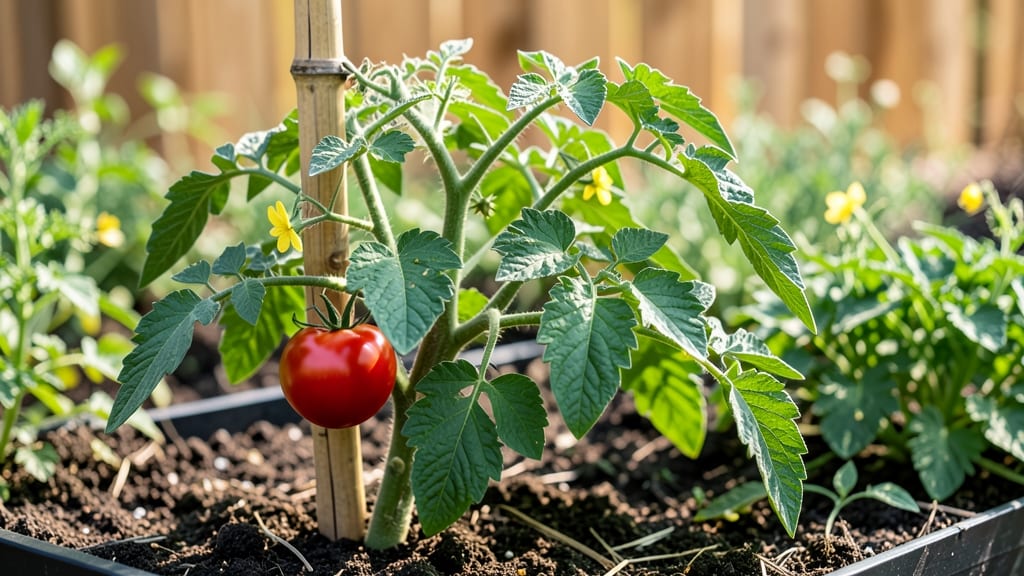
How tall tomato plants grow can be a game-changer for gardeners—whether you’re dealing with compact 1-foot bush varieties or sky-reaching 6-foot vines that demand serious support. If you’ve ever wondered whether your 🍅 tomato plants will stretch toward the sky or stay neatly contained, the answer depends entirely on the variety you’re growing. Determinate types top out at 3-4 feet, while indeterminate varieties can climb indefinitely until frost stops them. Knowing these differences upfront can save you from scrambling for trellises or wrestling with unruly vines later.
Height isn’t just about space, though. The right support structure—whether it’s a sturdy cage, a bamboo stake, or a sprawling trellis—directly impacts yield, air circulation, and even disease prevention. A 4-foot cherry tomato plant left to sprawl will produce far less than one trained vertically.
Meanwhile, a 6-foot beefsteak variety without support risks breaking under the weight of its own fruit.
In this guide, I’ll break down the height ranges for common varieties, share tips for controlling growth naturally, and help you pick the perfect support system to keep your harvest thriving—no guesswork required.

Tomato plant height by variety: dwarf to vining giants
Choosing tomato varieties isn’t just about flavor—it’s about space! Determinate tomatoes grow compactly, while indeterminate varieties climb like vines. Knowing these differences helps you plan your garden layout, pick the right containers, and avoid overcrowding.
I’ll break down the height ranges, growth habits, and support needs for each type so you can pick the perfect fit for your space.
If you’ve got limited space, dwarf varieties like Tiny Tim or Patio Princess stay under 2 feet tall, making them ideal for balconies or small pots. On the other end, vining giants like Sungold or Brandywine can reach 10 feet or more without support.
The key is matching your variety to your garden’s vertical potential.
| Variety Type | Height Range | Growth Habit | Best Support | Example Varieties |
|---|---|---|---|---|
| Dwarf | 1–3 ft | Bushy, compact | Small cage or pot | Tiny Tim, Patio Princess |
| Semi-Dwarf | 3–4 ft | Moderate spread | Sturdy stake or small trellis | Roma, Bush Early Girl |
| Standard (Determinate) | 4–6 ft | Bushy, limited growth | Cage or strong stake | Celebrity, Better Boy |
| Indeterminate (Vining) | 6–12+ ft | Unlimited growth | Trellis or tall stake | Sungold, Brandywine |
Determinate tomatoes are the bushy workhorses of the garden. They grow to a set height, produce fruit all at once, and stop growing after their main harvest. This makes them perfect for container gardening or small spaces.
Varieties like Roma or Celebrity stay between 4 and 6 feet tall, so a 5-foot tomato cage works perfectly. Their compact nature also means they’re easier to protect from pests and diseases.
Indeterminate tomatoes, on the other hand, are the climbing champions. They keep growing and producing fruit until frost, which means you’ll get a steady harvest all season long. But this also means they need strong support.
A 10-foot trellis or tall bamboo stake is essential for varieties like Sungold or Cherokee Purple. Without support, these vines can sprawl uncontrollably, leading to broken stems and lost fruit.
If you’re growing in containers, stick to dwarf or semi-dwarf varieties. A 5-gallon pot can comfortably hold a Patio Princess tomato, while larger containers (like 15-gallon grow bags) can support semi-dwarf varieties.
For indeterminate types, choose deep, sturdy containers with at least 5 gallons of soil and add a tall cage or trellis before planting.
Support structures aren’t just for tall varieties—they also improve airflow and reduce disease risk. Even determinate tomatoes benefit from a lightweight cage or stake to keep stems upright and prevent soil-borne diseases.
For indeterminate types, a floral wire trellis or A-frame stake gives you control over growth direction and makes harvesting easier. I’ve found that training vines vertically also speeds up ripening by improving sun exposure to the fruit.
Pruning plays a big role in managing height, especially for indeterminate varieties. By removing suckers (the small shoots that form in the leaf axils), you can control bushiness and direct energy to fruit production. For dwarf varieties, minimal pruning is needed—they stay small naturally.
But for vining giants, regular pruning keeps them from becoming unmanageable. I recommend pinching off suckers when they’re smaller than 2 inches to avoid stressing the plant.
Light and nutrients also influence height. Full sun exposure (6+ hours daily) encourages strong, upright growth, while shady conditions can lead to leggy, weak stems. Similarly, over-fertilizing with nitrogen promotes leafy growth at the expense of fruit.
For balanced growth, use a 10-10-10 fertilizer and focus on phosphorus and potassium during flowering and fruiting stages. I’ve had the best success with a slow-release fertilizer applied at planting time.
Now that you know the height ranges, here’s a quick tip: measure your space before planting. If you’re growing near a fence, indeterminate varieties can climb right up—but make sure the fence is sturdy!
For containers, choose pots with drainage holes and depth to match your tomato’s mature height. And always plant deeply, burying the stem up to the first leaves to encourage strong root growth.
Whether you’re a balcony gardener with dwarf tomatoes or a backyard enthusiast with vining giants, understanding height helps you grow healthier, happier plants. Start with the right variety for your space, provide the proper support, and enjoy a bountiful harvest all season long! 🌱
How to control tomato plant height naturally (without pruning)
Want to keep your tomato plants at a manageable height without resorting to pruning? The key lies in soil nutrition, watering techniques, and light management—all of which influence growth patterns organically.
Unlike aggressive pruning, these methods work with your plants' natural tendencies while still giving you control over their stature.
By adjusting nutrient levels, watering schedules, and sunlight exposure, you can encourage compact growth in indeterminate varieties or prevent excessive sprawl in determinate types. These techniques are especially useful for container gardening or small spaces where pruning isn't practical.
🌱 Natural Ways to Control Tomato Plant Height
- 1 Adjust soil nutrition: Use low-nitrogen fertilizer (like 5-10-10) to limit vertical growth. High nitrogen promotes leafy, tall plants—avoid it if you want shorter stature.
- 2 Water deeply but less frequently: Shallow watering encourages root sprawl and taller plants. Instead, water deeply 2-3 times per week to promote stronger root systems that support compact growth.
- 3 Limit sunlight exposure: Place plants in partial shade (4-6 hours of sun) for 1-2 weeks after transplanting. This slows early growth, helping plants stay shorter as they mature.
- 4 Use companion planting: Grow basil or marigolds nearby—they release compounds that naturally stunt tomato growth while improving flavor and disease resistance.
- 5 Choose dwarf varieties: Opt for determinate types like 'Tiny Tim' (2-3 ft) or 'Patio Princess' (3-4 ft) if you prefer naturally short plants without intervention.
Another effective trick is mulching. Apply a thick layer of organic mulch (like straw or shredded leaves) around the base of your plants. This keeps roots cool, reduces water evaporation, and encourages shorter, bushier growth by limiting nutrient runoff.
For container-grown tomatoes, pot size matters. Smaller pots (5-10 gallons) naturally restrict root spread, resulting in shorter plants. If using larger containers, add a weighted trellis to guide growth upward without pruning—this distributes energy into fruit production rather than vertical growth.
Finally, harvest regularly. Removing ripe tomatoes signals the plant to redirect energy into producing more fruit rather than growing taller. This is especially effective for indeterminate varieties, which can grow indefinitely without intervention.
By combining these methods, you can keep your tomato plants at your desired height—whether that’s a compact 2 feet for containers or a manageable 5 feet for in-ground gardens—without ever touching pruning shears. 🌿