
Plants
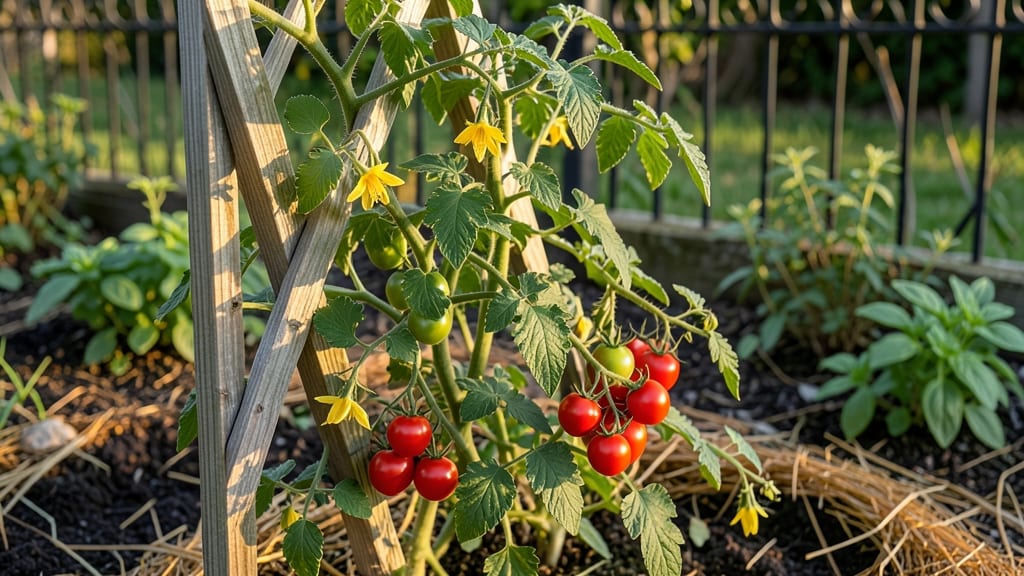
Cherry tomato plant height can swing wildly from a 1-foot windowsill wonder to a 10-foot vine that needs a ladder to harvest — and the difference often comes down to one word: variety.
If you’ve ever wondered whether your cherry tomatoes will sprawl across your patio or reach for the sky like a jungle vine, you’re not alone. Some stay compact enough for containers, while others need trellises to support their towering growth.
The right choice depends on your garden space, sunlight, and even how much you’re willing to prune.
Dwarf varieties like 'Tiny Tim' stay under 18 inches, perfect for small balconies or hanging baskets, while indeterminate types like 'Sweet Million' can climb to 6 feet or more without stopping. That’s a 300% difference in height — and in how much work you’ll put into staking and training.
In this guide, I’ll break down how to pick the right height for your space, the best support structures for each type, and how pruning can keep even the tallest varieties in check — without sacrificing a single juicy cherry.


Cherry tomato varieties ranked by height: from dwarf to towering climbers
Choosing the right cherry tomato variety depends heavily on your garden space and growth goals. Some varieties stay under 2 feet—perfect for containers or windowsills—while others climb to 10 feet or more, requiring sturdy trellises or cages.
The key is matching the plant’s mature height to your setup to avoid overcrowding or wasted space. Let’s explore the spectrum from dwarf varieties to towering climbers, so you can pick the perfect fit for your garden.
Height isn’t just about aesthetics—it impacts yield, airflow, and disease risk. Dwarf varieties produce fewer tomatoes but thrive in tight spaces, while indeterminate climbers yield abundantly if given proper support. Even bush varieties (2–4 feet) need strategic spacing to avoid competition.
Below, we’ll break down the best options for every garden type, from urban balconies to sprawling backyards, so you can maximize both space and harvest.
📊 Comparison Table: Cherry Tomato Heights & Support Needs
| Variety Type | Height Range | Space Needs | Support Structure | Best For |
|---|---|---|---|---|
| Dwarf (e.g., 'Tiny Tim', 'Micro Tom') | 12–18 inches | 6–12 inches apart | None (or small pots) | Containers, windowsills, small spaces |
| Bush (e.g., 'Tumbling Tom', 'Balcony Red') | 2–3 feet | 18–24 inches apart | Cages or stakes (optional) | Raised beds, balconies, small gardens |
| Semi-Dwarf (e.g., 'Patio Princess', 'Sweet 100') | 3–4 feet | 24–30 inches apart | Stakes or small trellises | Ground planting, larger containers |
| Indeterminate Climbers (e.g., 'Sweet Million', 'Sun Gold') | 6–10+ feet | 36–48 inches apart | Trellises, strong cages, or fences | Vertical gardens, large backyards, fences |
If you’re working with limited space, dwarf varieties like 'Tiny Tim' (just 12–18 inches tall) are game-changers. These cherry tomatoes thrive in 5-gallon containers or even hanging baskets, making them ideal for patios or balconies.
They’re also early producers, often yielding fruit within 50–60 days of planting. Just be prepared for smaller harvests—these plants prioritize compact growth over volume.
'Micro Tom' takes dwarf varieties to the extreme, reaching only 10–12 inches at maturity. This Japanese bred variety produces tiny, sweet tomatoes perfect for snacking or garnishes. It’s a favorite among urban gardeners and school gardening programs because it grows so quickly and requires minimal maintenance. Pair it with self-watering pots to simplify care, especially if you travel frequently.
For small gardens or raised beds, bush varieties like 'Tumbling Tom' strike a balance. These plants grow 2–3 feet tall and spill over the edges of containers, creating a lush, cascading display.
They’re determinate, meaning they produce fruit all at once (great for canning), but they still need 18–24 inches of space to avoid shading neighbors. Add a small tomato cage to support their weight and keep them upright.
When you’re ready to scale up, semi-dwarf varieties like 'Patio Princess' offer a middle ground. Standing 3–4 feet tall, they’re tall enough for ground planting but still manageable without a trellis.
These plants benefit from stakes or lightweight trellises to prevent sprawling, especially in windy areas. Their prolonged fruiting makes them ideal for extended harvests through summer and early fall.
The real sky-scrapers are indeterminate climbers, like 'Sweet Million' or 'Sun Gold', which can grow 6–10 feet tall with proper support. These heavy producers need strong trellises, fences, or even arbors to channel their growth upward.
Without support, they’ll sprawl across your garden, competing for sunlight and making harvesting a chore. But with the right setup, they’ll reward you with continuous fruit until frost—often producing 1,000+ tomatoes per plant!
Don’t overlook yellow varieties like 'Sun Gold', which can climb just as high but offer a sweeter, tangier flavor. Their golden hue also makes them a standout in salads or skewers.
For vertical gardening, consider training these climbers along a permanent trellis or even a chain-link fence. Just ensure the structure can handle 10+ pounds of fruit at peak season!
Pro tip: If you’re unsure about height, start with one of each type to test what works in your space. Dwarf varieties are foolproof for beginners, while climbers reward patience with bigger yields.
And remember—pruning indeterminate varieties can control height without sacrificing fruit production. Just remove suckers (side shoots) regularly to direct energy upward.
🌱
How to choose the right cherry tomato height for your garden space
Choosing the right cherry tomato height for your garden isn’t just about aesthetics—it’s about maximizing your harvest while working with your space. Dwarf varieties like 'Tiny Tim' thrive in containers, while indeterminate climbers like 'Sweet Million' need trellises to reach their full 6-foot potential.
Your decision impacts everything from sunlight exposure to ease of maintenance.
For small spaces, dwarf or bush varieties save room and reduce the need for supports. In contrast, vertical gardening with tall varieties can double your yield by utilizing walls or fences. The key is matching your plant’s growth habit to your garden’s layout and your willingness to provide support.
🌱 Cherry Tomato Height Guide
| Variety Type | Height Range | Best For |
|---|---|---|
| Dwarf | 1-2 ft | Containers, windowsills |
| Bush | 2-3 ft | Raised beds, small gardens |
| Indeterminate | 4-6+ ft | Trellises, fences, large spaces |
💡 Pro Tip: Prune indeterminate varieties to control height while boosting airflow and fruit production.
If you’re growing in containers, opt for dwarf or semi-dwarf varieties like 'Balcony Red' or 'Micro Tom'. These stay under 2 feet tall and fit perfectly in 5-gallon pots. For raised beds, bush varieties like 'Sun Gold' work well—they stay compact but produce abundantly without sprawling.
For trellising, indeterminate varieties are your best bet. Install sturdy supports early, as these vines can grow 10+ inches per week in ideal conditions. Use cattle panels or tomato cages for extra stability, especially in windy areas.
Prune suckers (side shoots) regularly to direct energy upward and improve air circulation.
In small gardens, vertical gardening is a game-changer. Train your cherry tomatoes along a wall-mounted trellis or use hanging baskets for trailing varieties. This not only saves floor space but also makes harvesting easier. Just ensure your support structure can handle the weight of ripe fruit.
Remember, pruning indeterminate varieties isn’t just about height control—it’s about health and yield. Remove suckers (the shoots that grow between the stem and branches) to prevent disease and encourage larger fruit. Aim to keep your plant’s main stem 3-4 feet tall for manageability while still maximizing production.