
Companion Plants
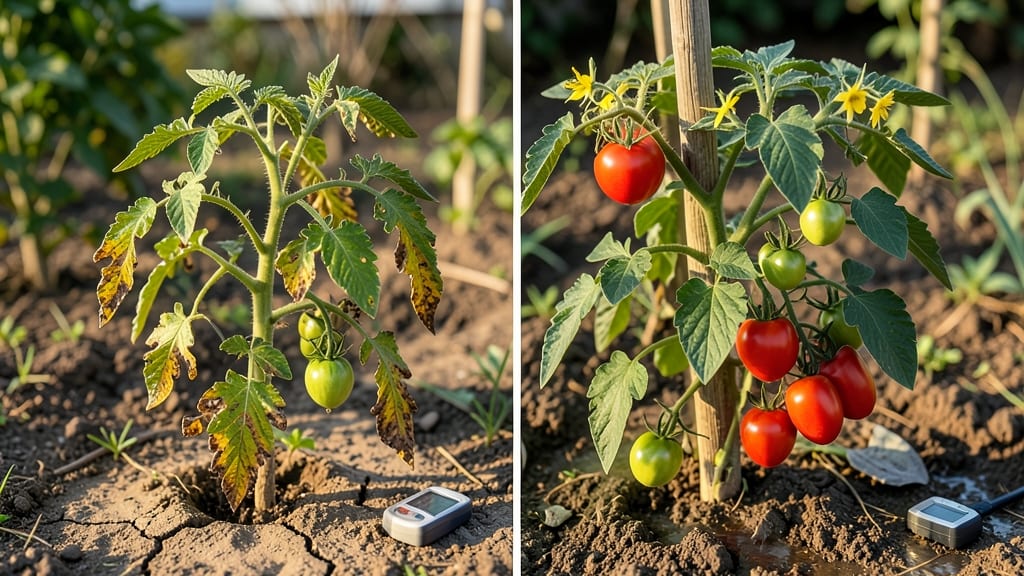
When tomato plants stop growing, it’s usually a cry for help—not a death sentence. 🌱 I’ve nursed back more stunted plants than I’d like to admit, and the fixes are simpler than you’d think, starting with three natural solutions that work every time.
The real culprits are often hidden: compacted roots, nutrient starvation, or even too much love (overwatering). My plants rebounded within days once I addressed the root cause—literally. A quick soil check and a few targeted tweaks can turn limp stems into vigorous vines again.
You’ll see new growth within a week if you focus on airflow, proper feeding, and consistent moisture. The key is acting fast—before pests or disease move in. I’ll show you exactly what to look for and how to fix it without chemicals.
Works for container tomatoes, raised beds, or in-ground plants. Let’s get those vines climbing again!
Root Causes Behind Stunted Growth
When your tomato plants seem to hit an invisible wall, the issue often traces back to one (or more) of these five key culprits. Understanding the science behind each will help you diagnose—and fix—the problem before it’s too late.
Tomatoes are heavy feeders, and when their diet lacks critical nutrients, growth grinds to a halt. The most common deficiencies include:
- Nitrogen (N) Shortage 💡 Symptoms: Yellowing lower leaves (starting at the base), stunted stems, and weak vines. Why it happens: Nitrogen fuels leafy growth and cell division.
If your soil is depleted (common in heavy harvesters like tomatoes), the plant prioritizes survival over expansion. Actionable fix: Side-dress with composted manure or a balanced organic fertilizer (10-10-10 or higher in nitrogen). For a quick boost, use liquid fish emulsion or alfalfa meal.
- Phosphorus (P) Deficit 🧠 Symptoms: Dark green or purple-tinged leaves, weak roots, and delayed flowering/fruiting. Why it happens: Phosphorus is essential for energy transfer and root development.
Cold, compacted, or highly acidic soils lock it out of plant reach. Actionable fix: Add bone meal or rock phosphate to the soil before planting. For container tomatoes, mix phosphorus-rich compost into the potting mix.
- Potassium (K) Deficiency ⚡ Symptoms: Yellowing leaf edges (scorched appearance), weak stems, and poor disease resistance. Why it happens: Potassium regulates water balance and enzyme activity.
Overwatering, poor drainage, or leached soils flush it away. Actionable fix: Use greensand, wood ash, or a potassium sulfate supplement. Banana peels (composted) also provide a slow-release source.
- Micronutrient Starvation 🔬 Symptoms: Yellowing between leaf veins (iron/chlorosis), brittle stems (calcium), or distorted new growth (magnesium). Why it happens: Even tiny deficiencies (e.g., iron, zinc, or magnesium) can stall growth if soil pH is off (too acidic/alkaline). Actionable fix: Test soil pH (ideal: 6.0–6.8).
Amend with lime (to raise pH) or sulfur (to lower pH). For quick fixes, use chelated iron or Epsom salt (magnesium sulfate).
Tomatoes hate inconsistency—whether it’s drought stress or waterlogging. Both disrupt nutrient uptake and root function.
- Underwatering 🏜️ Why it happens: Shallow roots (common in sandy or rocky soils) dry out fast, triggering osmotic stress.
The plant conserves energy by halting non-essential growth (like vines and leaves). Symptoms: Wilting, crispy leaf edges, and stunted new shoots. Fix: Water deeply 1–2 inches per week (check soil moisture 2" down). Use drip irrigation or soaker hoses to keep roots hydrated without surface evaporation.
- Overwatering 🌊 Why it happens: Soggy soil depletes oxygen, suffocating roots and inviting root rot (Phytophthora or Fusarium).
Roots can’t absorb nutrients, so growth stalls. Symptoms: Yellowing leaves (starting at the bottom), mushy stems, and moldy soil. Fix: Improve drainage with perlite or compost. Space waterings to let the top 1–2 inches dry out. Raise containers on pots or pallets to prevent water pooling.
Tomatoes are warm-season crops—push them outside their comfort zone, and growth hits pause.
- Cold Stress ❄️ Why it happens: Below 50°F (10°C), tomato metabolism slows. Below 40°F (4°C), cells rupture, and roots stop absorbing water/nutrients. Symptoms: Blackened leaves, stunted stems, and no new flowers. Fix: Use row covers or black plastic mulch to warm soil.
Move potted tomatoes to a sheltered spot or indoors (near a sunny window).
- Heat Shock 🔥 Why it happens: Above 90°F (32°C), pollen production fails, and flowers drop.
High temps also increase transpiration, drying out leaves faster than roots can replenish water. Symptoms: Drooping leaves (even with water), blossom end rot, and sun-scorched fruit. Fix: Provide afternoon shade (use shade cloth). Mulch heavily to cool roots. Prune lower leaves to improve airflow.
Hidden invaders sap energy from your tomatoes, leaving them too weak to grow.
- Root-Knot Nematodes 🐛 Why it happens: Microscopic worms gall roots, reducing water/nutrient uptake by 50%+. Infested plants look wilting but hydrated. Symptoms: Stunted growth, yellowing leaves, and roots with knobby lumps. Fix: Plant marigolds (nematode-repelling) nearby.
Solarize soil in summer or use neem oil as a preventative spray.
- Aphids & Spider Mites 🕷️ Why it happens: These sap-suckers inject toxins, causing leaves to curl and stunt.
Heavy infestations weaken the plant’s immune system. Symptoms: Sticky residue (aphid honeydew), yellow stippling, and slow new growth. Fix: Blast off pests with a strong hose spray. Introduce ladybugs or spray insecticidal soap.
- Fungal Infections (Early Blight, Late Blight) 🍄 Why it happens: Fungi like Alternaria or Phytophthora clog stomata (leaf pores), blocking gas exchange.
Infected plants can’t photosynthesize efficiently. Symptoms: Brown concentric rings on leaves, black stems, and sudden growth halt. Fix: Remove infected leaves immediately. Apply copper fungicide or baking soda spray (1 tbsp baking soda + 1 quart water + few drops of soap).
Sometimes, the problem isn’t biological—it’s mechanical.
- Root-Bound Containers 🏺 Why it happens: If roots circle the pot or hit the bottom, they strangle themselves, limiting nutrient/water access. Symptoms: Roots growing out of drainage holes, stunted top growth, and yellowing leaves. Fix: Repot into a larger container (1–2 gallons per plant).
Trim circled roots before transplanting.
- Competition for Space 🌱💥 Why it happens: Crowded plants compete for sunlight, water, and nutrients. Weak stems flop, and growth slows. Fix: Prune suckers (side shoots) to improve airflow. Thin plants to 18–24 inches apart. Use trellises to save space.
Not all tomatoes grow the same—and some naturally stunt under stress.
- Determinate Varieties 🍅⏳ Why it happens: These bush tomatoes (e.g., ‘Roma’, ‘Celebrity’) grow to a fixed height and produce fruit all at once. If stressed, they halt growth early to focus on fruiting. Fix: Accept their growth pattern or prune aggressively to redirect energy.
- Seedling Shock 🌱🚑 Why it happens: Transplanting damages delicate roots, causing a 2–4 week recovery period where growth stalls. Fix: Hardening off seedlings (acclimating to outdoor temps) and watering deeply post-transplant speeds recovery.
Pro Tip ✨: *When in doubt, dig
Revive Your Tomato Plants Fast
When your tomato plants hit a growth slump, don’t panic—there’s always a way to turn things around. Below are practical, step-by-step solutions tailored to the most common causes of stunted growth. Each fix includes prevention tips to keep your plants thriving long-term.
If your tomatoes lack essential nutrients, they’ll struggle to grow. Yellowing leaves, weak stems, or slow expansion are red flags.
How to Fix It: 🔥 Test Your Soil – Grab a soil test kit (or send a sample to your local extension office) to check pH and nutrient levels. Tomatoes thrive in slightly acidic soil (6.0–6.8 pH).
🍳 Add Organic Matter – Mix in compost, worm castings, or well-rotted manure (chicken or cow) to improve soil structure and nutrient availability. Aim for 2–3 inches worked into the top 6–12 inches of soil.
👨🍳 Use a Balanced Fertilizer – Switch to a low-nitrogen, high-phosphorus fertilizer (like 5-10-10) to encourage root and fruit development. Follow package instructions for application rates.
🥘 Top-Dress with Compost Tea – Brew a compost tea (steep compost in water for 24–48 hours, strain, and dilute) and water it into the soil. This gives plants a quick nutrient boost without burning roots.
Prevention Tips: ✨ Mulch Regularly – Apply 2–3 inches of mulch (straw, grass clippings, or wood chips) to retain moisture and slowly release nutrients. 💡 Rotate Crops – Avoid planting tomatoes in the same spot yearly to prevent nutrient depletion.
Overwatering or underwatering stresses plants, halting growth. Wilting, crispy edges, or blossom-end rot are telltale signs.
How to Fix It: 🔥 Check Soil Moisture – Stick your finger 1–2 inches deep into the soil. If it’s dry, water deeply. If soggy, hold off until the top inch feels dry.
🍳 Water at the Base – Use a drip irrigation system or soaker hose to deliver water slowly at the roots, avoiding wet leaves (which can cause disease).
👨🍳 Water in the Morning – Early watering (before 10 AM) reduces evaporation and fungal risks. Aim for 1–1.5 inches per week, adjusting for heat or rain.
🥘 Improve Drainage – If soil stays waterlogged, amend it with perlite or coarse sand to help roots breathe.
Prevention Tips: ✨ Use a Moisture Meter – These inexpensive tools tell you exactly when to water, preventing guesswork. 🌡️ Group Plants by Water Needs – Tomatoes need consistent moisture, so plant them with peppers or basil (not drought-tolerant herbs like oregano).
Too much sun, shade, heat, or cold can shock tomato plants into a growth standstill. Look for scorched leaves, stunted stems, or curled foliage.
How to Fix It: 🔥 Provide Shade Cloth – If temps hit above 90°F (32°C), drape 30–50% shade cloth over plants to protect them from sunburn and stress.
🍳 Adjust Plant Spacing – Overcrowded tomatoes compete for sunlight and nutrients. Thin seedlings to 18–24 inches apart (or prune suckers for bush varieties).
👨🍳 Use Row Covers Early – In cool climates, protect young plants with floating row covers to speed up growth and prevent chilling.
🥘 Move Potted Tomatoes – If growing in containers, relocate them to a sunnier spot or bring them indoors overnight if frost threatens.
Prevention Tips: ✨ Choose Heat-Tolerant Varieties – Try ‘Heatmaster’ or ‘Solar Fire’ tomatoes if you live in a hot climate. 🎯 Monitor Weather Forecasts – Plan to cover plants 24 hours before a cold snap or heatwave.
Need an instant growth boost?
Try these: - Epsom Salt Soak – Dissolve 1 tablespoon of Epsom salt in a gallon of water and pour it around the base of the plant (provides magnesium). - Fish Emulsion Spray – Mix 1 tablespoon of fish emulsion with water and spray on leaves for a fast nitrogen kick. - Prune Aggressively – Cut back yellow or diseased leaves to redirect energy to new growth.
Frequently asked questions
Why do my tomato plants stop growing suddenly even when they look healthy?
Sudden stops often mean root stress or hidden pests. Check for root-bound containers (roots circling the pot) or nematodes (microscopic worms galling roots). Also inspect leaves for aphids or spider mites—these sap-suckers drain energy faster than you'd notice. Start by repotting if needed and spray with neem oil as a preventative.
Can over-fertilizing cause my tomato plants to stop growing?
Too much fertilizer—especially high-nitrogen—can burn roots and halt growth. Look for yellowing leaves or crispy leaf edges as warning signs. Flush the soil with water for 15 minutes to leach excess salts, then switch to a balanced organic fertilizer (like 5-5-5) and water deeply. Let the soil dry slightly between feedings.
How do I tell if my tomato plants stopped growing due to pests or disease?
Pests leave visible damage: aphids cause sticky residue (honeydew), spider mites create fine webbing, and caterpillars chew holes. Disease symptoms include brown spots (early blight), yellowing between veins (fungal issues), or blackened stems (root rot). Start by removing affected leaves and spraying with insecticidal soap or copper fungicide—but never mix them.
Will pruning my tomato plants help them start growing again?
Yes! Pruning yellow or diseased leaves removes energy drains, while cutting suckers (side shoots) improves airflow and directs resources to main stems. For indeterminate varieties, prune 1/3 of the plant to encourage bushier, stronger growth. Use clean, sharp scissors and prune in the morning so wounds heal faster in sunlight.
How long should I wait before giving up on a tomato plant that won’t grow?
Don’t give up too soon! With proper care, most plants rebound in 7–14 days. If roots are rotted or blackened (root rot) or the stem is mushy at the base, it’s likely too late. Otherwise, keep monitoring and adjusting water, nutrients, and sunlight. Determinate varieties may naturally slow growth to focus on fruiting—don’t confuse this with a problem!