
How To
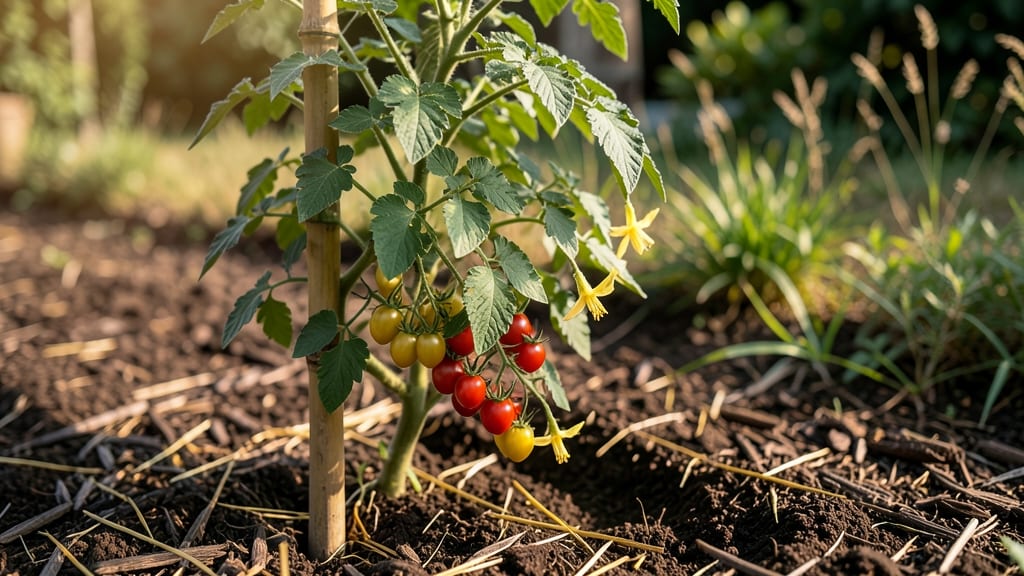
Grape tomato plants grow anywhere from 2 feet to over 6 feet tall, depending on the variety and how you train them—so your space planning makes all the difference.
If you’re dreaming of a bountiful grape tomato harvest but wondering whether your balcony, patio, or garden has enough vertical space, understanding their growth habits is key—some varieties stretch taller than a basketball player while others stay compact enough for hanging baskets. 🍅
Determinate types (like Sweet Million) top out around 3-4 feet, making them perfect for cages or small trellises, while indeterminate varieties (such as Sungold) can climb 6+ feet if given support. Without proper care, even dwarf varieties can get leggy, wasting energy on vines instead of fruit.
In this guide, I’ll break down height ranges by variety, share pruning tricks to control growth, and show you how to pick the right support—whether it’s a 5-foot trellis or a hanging basket—to maximize your harvest without sacrificing space.

Grape tomato plant heights by variety: compact vs. vining types
Grape tomatoes are a gardener’s dream because they come in a wild range of heights, from compact bush varieties perfect for containers to vining giants that need trellises taller than your average fence.
If you’re planning your garden layout, knowing these height differences will help you avoid overcrowding or wasted space.
Some varieties stay under 2 feet while others can reach 6 feet or more, so let’s break down the most popular types to help you pick the perfect fit for your space.
Understanding whether a grape tomato variety is determinate (bush-type) or indeterminate (vining) is key. Determinate varieties grow to a fixed height and produce fruit all at once, while indeterminate types keep growing and fruiting all season long.
This means your support system and pruning strategy will vary drastically depending on the variety you choose. For example, a Cherry Roma might stay neatly contained in a 1-gallon pot, while a Sun Gold could sprawl across your patio if left unsupported.
Here’s a quick reference to help you visualize the height differences and space requirements for four of the most beloved grape tomato varieties:
| Variety | Type | Mature Height | Space Needs | Best For |
|---|---|---|---|---|
| Cherry Roma | Determinate (Bush) | 2–3 feet | 1–2 feet wide; containers or in-ground | Balconies, small gardens, hanging baskets |
| Sweet Million | Indeterminate (Vining) | 4–6 feet | 3–4 feet wide; needs trellis or cage | Vertical gardens, trellises, large pots |
| Black Cherry | Indeterminate (Vining) | 5–7 feet | 4–5 feet wide; aggressive vining | Trellises, fences, large garden beds |
| Sun Gold | Indeterminate (Vining) | 6–8 feet | 5+ feet wide; requires strong support | Arbors, tall trellises, spacious gardens |
If you’re working with limited space, Cherry Roma is my go-to for containers and hanging baskets. Its compact growth habit means you can grow it almost anywhere—even on a windowsill with enough sunlight.
Just be sure to prune it lightly to encourage bushier growth and better air circulation, which reduces the risk of disease. I’ve even grown them in 5-gallon buckets on my apartment balcony with great success!
The Sweet Million variety is a crowd-pleaser for gardeners with a little more room to spare. It’s indeterminate, so it’ll keep producing fruit until the first frost, but you’ll need to provide a trellis or sturdy cage to support its 4–6 foot height.
Without support, it can sprawl uncontrollably, leading to tangled vines and missed harvests. I recommend using a 5-foot tomato cage or a DIY wooden trellis for this variety.
For those who love a challenge, Black Cherry and Sun Gold grape tomatoes are the vining superstars of the garden. These varieties can reach heights of 5–8 feet if given the right conditions, making them perfect for vertical gardening.
I’ve seen Sun Gold plants climb up a 10-foot arbor in my garden, producing golden, sweet tomatoes all summer long. However, this height comes with a trade-off: you’ll need to invest in a strong support system and commit to regular pruning to manage their growth.
Another factor to consider is your climate zone. In warmer regions (like USDA Zone 9 or higher), indeterminate varieties like Sun Gold can grow even taller and produce fruit for a longer season.
In cooler climates, you might need to prune aggressively to protect them from frost or use row covers to extend the growing season. I’ve found that staking these taller varieties early on helps them establish a strong structure and prevents them from toppling over in windy conditions.
When choosing a variety, also think about your harvest goals. Determinate varieties like Cherry Roma produce a single, heavy crop all at once, which is great if you want to can or preserve your harvest.
Indeterminate varieties, on the other hand, give you a steady supply of tomatoes throughout the season, perfect for fresh eating or salads. If you’re new to growing grape tomatoes, I’d recommend starting with a semi-determinate variety like Sweet 100, which strikes a balance between height and manageability.
Pro tip: If you’re growing multiple varieties, space them according to their mature height and spreading habit. Place taller varieties like Sun Gold at the back of your garden bed or along the north side of a trellis to avoid shading smaller plants.
I like to group compact varieties like Cherry Roma together in a dedicated container garden on my patio, where I can easily monitor their needs and harvest the fruit without bending over too much.
Finally, don’t forget that pruning plays a huge role in managing the height of
How to support grape tomato plants based on their height
Grape tomato plants can range from compact 2-foot bush varieties to towering 6-foot vines, making the right support structure essential for healthy growth and maximum yield. Without proper support, plants sprawl, leading to poor air circulation, disease risk, and limited fruit production.
The key is matching your variety’s growth habit with the right support system—whether it’s sturdy cages, trellises, or hanging baskets.
Your choice of support isn’t just about height—it also affects fruit quality, ease of harvesting, and even pruning efficiency. For example, indeterminate varieties like Sun Gold need tall trellises to climb, while determinate types like Sweet 100 thrive in cages or stakes.
Let’s break down the best support solutions for each height category, including DIY options and material recommendations to keep your plants thriving.
Grape Tomato Height Categories & Support Needs
Ideal for: Sweet 100, Cherry Roma
- ✅ Fits hanging baskets or small cages
- ✅ Low maintenance, self-supporting
- ✅ Great for containers or balconies
- ❌ Limited fruit production without support
- ❌ Needs pruning to prevent sprawling
Ideal for: Black Cherry, Super Sweet 100
- ✅ Works with stakes or small trellises
- ✅ Moderate yield with less sprawl
- ✅ Easy to prune and harvest
- ❌ Needs occasional tying to support
- ❌ Can overgrow without pruning
Ideal for: Sun Gold, Sweet Million
- ✅ Highest yield with vertical growth
- ✅ Longer harvest season
- ✅ Space-saving for small gardens
- ❌ Requires strong trellises or cages
- ❌ Needs frequent pruning to control height
- ❌ Heavier fruit load may need extra support
For compact varieties (2-3 ft), hanging baskets or small tomato cages (3-4 ft tall) are perfect. These provide enough support without taking up much space, making them ideal for balconies or patios.
Use plastic or metal cages for durability, or opt for DIY fabric cages made from old stockings or wire mesh for a budget-friendly solution. Just ensure the basket or cage has drainage holes to prevent root rot from overwatering.
Semi-determinate types (3-4 ft) benefit from stakes or small trellises, which guide their growth upward while leaving room for side shoots. Install 5-6 ft bamboo stakes or a simple A-frame trellis made from wooden dowels and twine. Tie the main stem to the support with soft plant ties every 1-2 feet to prevent wind damage. Prune suckers (the shoots that grow between the stem and branches) weekly to redirect energy to fruit production rather than excessive height.
Indeterminate grape tomatoes (4-6+ ft) demand stronger support, like wooden trellises, metal cages (5-6 ft tall), or even a DIY vertical pallet system. For heavy producers like Sun Gold, consider a freestanding trellis or cattle panel arched trellis to handle the weight. Train the vines to climb using twine or jute twine, and prune aggressively—remove lower leaves to improve air flow and trim back by 1/3 after each fruit set to manage height. This keeps the plant focused on producing rather than growing taller.
Pro tip: Mulch around the base of your supported plants with straw or shredded leaves to retain moisture and reduce weeds, which compete for nutrients. Water deeply in the morning to encourage strong root development and disease resistance.
With the right support system and pruning routine, your grape tomatoes will thrive—whether they’re climbing a trellis or spilling from a hanging basket! 🌱