
Companion Plants
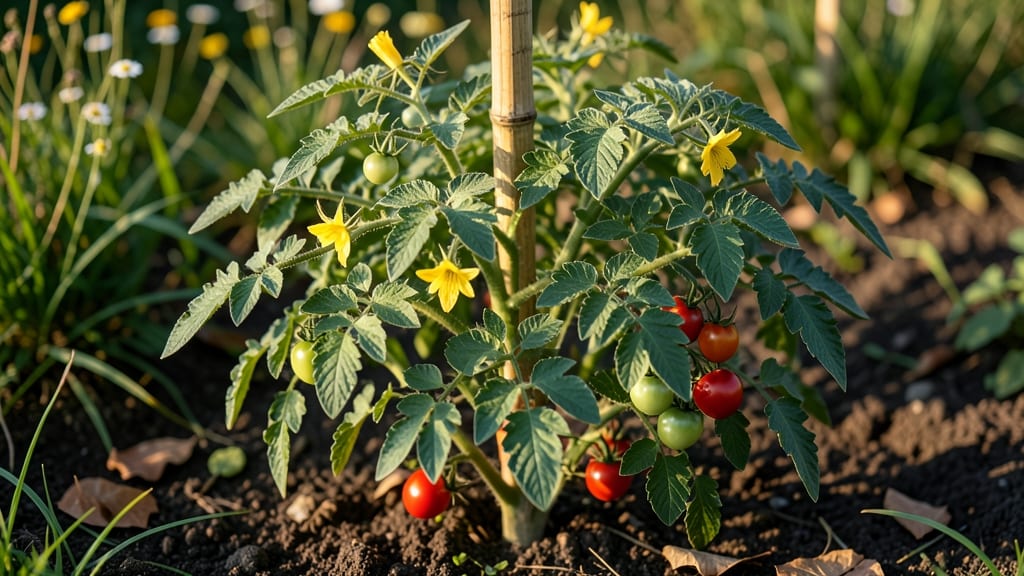
Growing Super Sweet 100 tomato plants means your vines will reach sky-high heights while producing tomatoes so sweet they’ll make your neighbors jealous. 🌱 I’ve grown this variety for three summers now, and every bite of that juicy red fruit makes me wish I’d planted twice as many.
This indeterminate tomato thrives when given 6-8 hours of direct sunlight and well-draining soil rich in organic matter. The key to their explosive growth? Consistent watering at the base—never overhead—and a sturdy trellis or cage to support those towering vines.
Prune suckers regularly to focus energy on fruit production, and you’ll end up with clusters of bursting red tomatoes that taste like summer in every bite. By midsummer, your plants will be covered in fruit, and with proper care, they’ll keep producing until frost.
The sweetness is unmatched—even green tomatoes taste good when picked at the right stage. Plus, these plants are disease-resistant, so you’ll spend less time fighting issues and more time harvesting. Perfect for containers, raised beds, or in-ground gardens. Here’s how to get started with foolproof results!
📚 In This Guide
- What you need
- Instructions
- Tips and common mistakes
- Wrapping up and next steps
What you need
- ● 100 tomato seeds (or 10-12 seedlings, if starting with transplants)
- ● 5-gallon containers or raised beds (at least 18–24 inches deep for sprawling vines)
- ● High-quality potting mix (look for "tomato-specific" or well-draining blends)
- ● Organic fertilizer (balanced 10-10-10 or compost for slow-release nutrients)
- ● Sturdy tomato cages or trellis system (6+ feet tall to support heavy vines)
- ● Drip irrigation or watering can (consistent moisture is key!)
- ● Mulch (straw or shredded leaves) (to retain moisture and suppress weeds)
- ● Garden trowel or transplanting spade (for gentle seedling transfers)
- ● Pruning shears (to trim suckers and encourage upward growth)
- ● pH test kit (ideal soil pH: 6.0–6.8 for tomatoes)
- ● Compost or worm castings (boosts soil health and flavor!)
- ● Plant ties or soft twine (to secure vines to supports)
- ○ Row cover or shade cloth (optional, for early-season frost protection)
- ● Garden journal (track progress, watering, and harvest dates!)
Step-by-Step guide to growing Super Sweet 100 tomato plants
Here's how to coax those legendary Super Sweet 100 vines into producing the juiciest, most flavorful tomatoes you've ever tasted.
🌱 Step 1: Start Seeds Indoors at the Right Time
Begin seeds 6-8 weeks before your last frost date—this gives them time to develop strong roots before transplanting. Use sterile seed-starting mix in 2-3 inch deep cells or pots. I like to fill them to 1 inch below the rim and press down gently to eliminate air pockets. The mix should hold together when squeezed but not feel soggy.
Plant 2 seeds per cell at a depth of ¼ inch, then cover lightly with additional mix. Mist the surface until evenly damp—don't oversaturate, or seeds may rot before germinating. Place the tray in a warm spot (75-85°F), like on top of a refrigerator. You'll see sprouts in 5-10 days, but don't be surprised if it takes longer in cooler homes.
💧 Step 2: Provide Light and Prevent Leggy Growth
The moment seedlings emerge, move them under 14-16 hours of bright light daily. A south-facing window won't cut it—seedlings will stretch toward the light, growing weak and spindly. I use a full-spectrum LED grow light positioned 2-4 inches above the plants. Watch for thick stems and compact spacing between leaves—these are signs of strong growth.
Water from the bottom when possible to encourage deep root development. Let the top ½ inch of soil dry between waterings, but never let it stay bone-dry. If leaves yellow at the edges, you're overwatering; if they wilt in the afternoon, you're underwatering. Thin to one seedling per cell once the first true leaves appear—this prevents competition and ensures robust plants.
☀️ Step 3: Harden Off and Transplant for Maximum Yield
Two weeks before your last frost, start hardening off seedlings by placing them outside in partial shade for 1-2 hours the first day. Gradually increase their time outside by 1 hour daily, eventually moving them to full sun for a full day. This toughens their skin and prepares them for the garden. Transplant on an overcast afternoon to reduce stress.
Choose a sunny spot with at least 6-8 hours of direct light and well-draining soil. Bury the stem deeper than the pot—this encourages stronger root growth. Space plants 24-36 inches apart (they'll sprawl!). Water deeply at the base immediately after transplanting to help roots establish. Mulch with 2-3 inches of organic mulch to retain moisture and suppress weeds.
✂️ Step 4: Prune and Support for Sky-High Vines
Super Sweet 100s are indeterminate, meaning they'll keep growing until frost. Install a 6-foot tall stake or trellis at planting and gently tie the main stem to it as it grows. Prune suckers—those little shoots that form in the leaf axils—weekly to direct energy into fruit production. You'll know you're doing it right when the plant focuses on large, beefy leaves and heavy clusters of flowers.
Remove any leaves touching the ground to prevent disease. When fruit sets, thin clusters to 5-6 tomatoes per stem—this ensures larger, sweeter fruit. Watch for green shoulders on tomatoes; this means they need more sun. If vines outgrow your trellis, prune the top 12 inches to redirect energy downward. Harvest when tomatoes are fully red and slightly soft to touch—they won't ripen further off the vine.
Tips & tricks for growing Super Sweet 100 tomato plants
Here's what I've learned from years of growing these legendary vines—these tricks make all the difference between decent tomatoes and showstopping fruit.
Timing Secret: That 6-8 week indoor start is non-negotiable for strong roots, but don't rush the process. I've seen gardeners impatiently transplant too early, only to have weak vines struggle in the garden. If your last frost is late April, start seeds by mid-February—not a day sooner. The extra time lets roots develop properly before transplanting.
Light Strategy: The 14-16 hours of daily light in Step 2 is critical, but don't just rely on natural light. I use a full-spectrum LED grow light on a timer to ensure consistent light exposure. If you're using natural light, rotate your seedlings daily so they don't lean toward one direction. Leggy seedlings are a sure sign they're starving for light—watch for that 3-inch stem with tiny leaves and act fast.
Transplanting Technique: Burying stems deeper than the pot might seem counterintuitive, but it works wonders. The buried stem develops additional roots along its length, creating a more robust plant. I like to make a small trench around each plant after transplanting to encourage root growth outward. This technique also helps prevent the plant from toppling in windy conditions.
Pruning Precision: Those weekly sucker removals in Step 4 might seem tedious, but they're worth it. I use clean scissors to snip suckers at their base, being careful not to damage the main stem. The key is consistency—don't skip weeks just because you're busy. A well-pruned plant focuses all its energy on producing those 5-6 tomatoes per stem, resulting in larger, sweeter fruit. Think of it as redirecting the plant's energy highway toward fruit production.
Pro Tips for Super Sweet 100 Tomato Plants
- Here's what I've learned from years of growing these legendary vines—these tricks make all the difference between decent tomatoes and showstopping fruit.
- Timing Secret: That 6-8 week indoor start is non-negotiable for strong roots, but don't rush the process.
- Light Strategy: The 14-16 hours of daily light in Step 2 is critical, but don't just rely on natural light.
Frequently asked questions
When is the best time to plant Super Sweet 100 tomatoes?
Start seeds indoors 6-8 weeks before your last frost date (early spring) for a head start. Transplant seedlings outdoors after soil warms to 60°F+ and nighttime temps stay above 50°F. In warmer climates, direct-sow seeds in late spring to avoid early heat stress. Super Sweet 100s thrive with 10-12 hours of sunlight daily, so prioritize a sunny spot!
How long does it take for Super Sweet 100 tomatoes to produce fruit?
Expect 60-70 days from transplanting to your first ripe tomato, but full harvests typically start at 75-85 days. Patience pays off—these indeterminate vines keep producing until frost! Pro tip: Use a cage or trellis early () to support vines and speed up fruit ripening by improving air circulation.
Why aren’t my Super Sweet 100 tomatoes ripening?
Blame cool temps, poor pollination, or overcrowding. Try these fixes:
- Hand-pollinate flowers with a paintbrush if bees are scarce.
- Move plants to a warmer, sunnier spot (or use a row cover at night).
- Prune suckers (side shoots) to redirect energy to fruit.
- Check for blossom end rot—add calcium (like crushed eggshells) if soil lacks it.
What are the best companion plants for Super Sweet 100 tomatoes?
Pair them with basil, marigolds, or onions to repel pests and improve flavor. Avoid planting near corn, fennel, or brinjals (eggplants), which compete for nutrients. Pro tip: Interplant with lettuce or radishes () for a shade-tolerant early-season combo that maximizes space!
Can I grow Super Sweet 100 tomatoes in containers?
Use a 5-gallon+ pot with well-draining soil and stake or trellis for support. Opt for self-watering containers to prevent blossom drop from inconsistent moisture. Time-saver: Add slow-release fertilizer at planting to feed vines all season.
Where can I buy Super Sweet 100 tomato seeds or plants?
Check local nurseries, seed catalogs (like Baker Creek or Johnny’s Selected Seeds), or online retailers (Etsy, Amazon). For organic options, try Seed Savers Exchange. Pro move: Buy from heirloom seed banks to support biodiversity!
Wrapping up and next steps
Growing Super Sweet 100 tomato plants is a rewarding journey that brings vibrant red fruit and bountiful harvests to your garden! 🌱 With the right companion plants, proper care, and a little patience, you’ll enjoy juicy, flavorful tomatoes that taste straight from the vine.
Whether you’re a seasoned gardener or just starting out, these tips will help you cultivate a thriving tomato patch.
Now that you’re armed with the knowledge to nurture your plants, it’s time to roll up your sleeves and get growing! Start by planting your seeds or seedlings, and soon you’ll be savoring the sweet rewards of your hard work. Happy gardening! 🌿✨