
Light Requirements
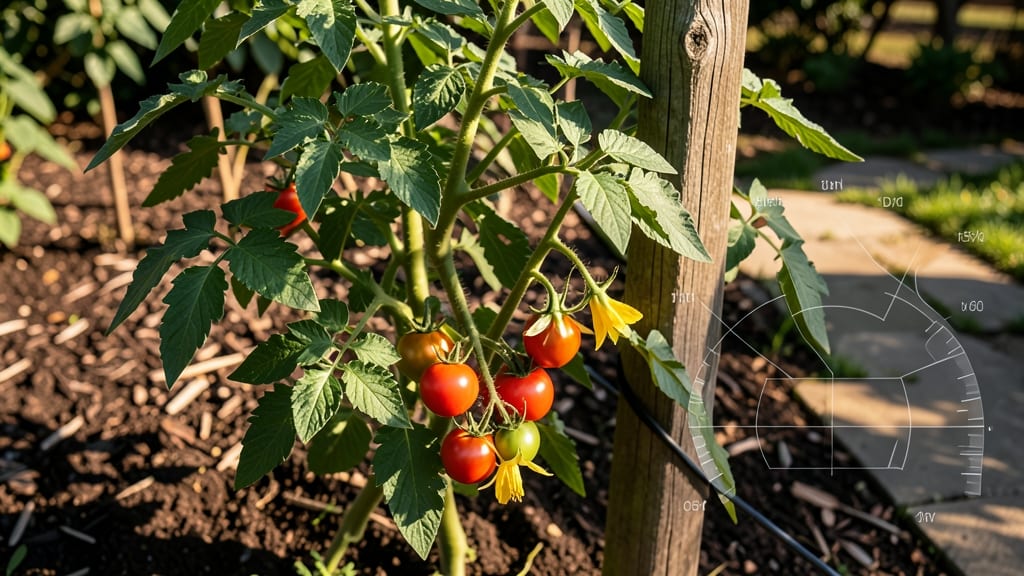
Tomato plants need 6–8+ hours of full sun daily 🍅 to thrive and produce heavy yields, but too much heat without shade can scorch leaves and reduce fruit quality.
If you’ve ever stared at your tomato vines in frustration—wilting under a scorching midday sun or stretching pitifully toward a shady corner—you’re not alone. The right balance of light isn’t just about hours; it’s about timing, variety, and even your local climate.
Too little sun means weak stems and poor fruit set, while too much can turn leaves crispy before your tomatoes even ripen.
Here’s the breakdown: determinate varieties (like Roma) handle heat better than sprawling indeterminates (like Cherry), and afternoon shade can be a game-changer in hot zones. I’ll show you how to spot sun stress, adjust for partial shade, and keep your plants happy without sacrificing yield.
From pruning strategies to reflective mulches, you’ll learn exactly how to give your tomatoes the perfect light recipe—whether you’re working with a sun-drenched patio or a shady corner garden.

Optimal sunlight hours for tomato plants by variety and growth stage
Tomatoes are sun-worshippers, but their light requirements shift dramatically from seedling stage to fruit-bearing maturity.
As a gardener who’s battled leggy seedlings and sunburned leaves, I’ve learned that 6–8+ hours of direct sunlight is the sweet spot for most varieties—but not all tomatoes play by the same rules. Heirloom varieties often demand more sun than hybrids, while determinate types tolerate partial shade better than their indeterminate cousins.
Let’s break it down by growth phase and variety so you can maximize your harvest.
The key to success lies in understanding how sunlight affects each stage. Seedlings need gentle light to prevent stretching, while mature plants crave intense sun for fruit development. Even cloud cover can reduce effective sunlight by 30–50% in overcast regions like the Pacific Northwest.
If you’re in a low-light climate, we’ll cover adjustments later—but first, let’s tackle the basics with this comparison table to clarify the ideal exposure for your specific tomato types.