
How To
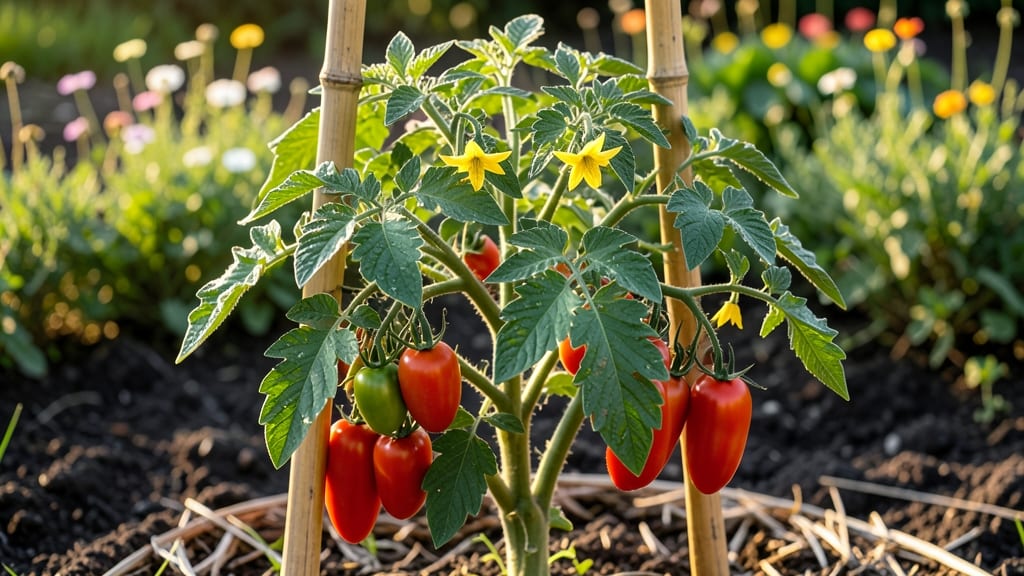
Roma tomato plants grow to a tall, sturdy height of 4 to 6 feet—often surprising gardeners who assume they’ll stay small like their cherry cousins.
If you’re dreaming of juicy Roma tomatoes but worried about space, you’re not alone—these plants grow surprisingly tall, making container gardening a game-changer for small yards and balconies.
Without support, they can sprawl 3 to 5 feet wide, but with the right trellising or pruning, you can keep them compact while boosting fruit production. The key is understanding their growth habits and how to manage them early.
In this guide, I’ll break down everything you need to know—from ideal spacing and container sizes to pruning tips—to help your 🍅 thrive without taking over your garden.
Roma tomato plant size: height, spread, and growth habits explained
If you’re planning to grow Roma tomatoes, knowing their mature size is key to maximizing your harvest. These plants are indeterminate varieties, meaning they grow continuously until frost—often reaching heights that surprise even experienced gardeners.
Without proper support, they can easily top 6 feet, while their spread can extend 2-3 feet wide if left unchecked.
The Roma tomato plant size is one of the reasons they’re perfect for vertical gardening. Unlike bush varieties, they don’t stay compact—they thrive when trained upward, saving precious garden real estate. This makes them ideal for balconies, small patios, or even large containers with proper trellising.
Here’s how Roma tomatoes compare to other common tomato types in terms of size and growth habits:
| Variety | Growth Habit | Mature Height | Spread | Best For |
|---|---|---|---|---|
| Roma | Indeterminate | 4-6 ft | 2-3 ft | Trellises, containers, vertical gardens |
| Cherry (e.g., Sweet 100) | Indeterminate | 3-5 ft | 1-2 ft | Hanging baskets, cages, small spaces |
| Beefsteak | Indeterminate | 5-7 ft | 3-4 ft | Large gardens, sturdy trellises |
| Celebrity (Determinate) | Determinate | 2-3 ft | 1-2 ft | Bush gardening, small plots |
*Indeterminate varieties grow continuously; determinate varieties stop at maturity.
When planning your Roma tomato garden, remember that their height and spread can vary based on growing conditions. In full sun with rich soil, they’ll reach their maximum potential, while cooler climates or containers may slightly limit their growth.
If you’re growing in containers, expect a slightly smaller spread but the same vertical growth pattern.
One common misconception is that Roma tomatoes need a lot of space. In reality, their compact growth habit when trellised makes them one of the most space-efficient varieties for high-yield gardening. With the right support, you can grow multiple plants in a small area without sacrificing productivity.
For determinate Roma varieties (less common but available), expect a more compact plant—typically 3-4 feet tall—but they still benefit from staking. These are great for small-space gardeners who want the Roma flavor without the vertical commitment.
Always check the seed packet or plant tag to confirm whether you’re planting an indeterminate or determinate variety.
Proper spacing between plants is crucial for airflow and disease prevention. In the ground, space Roma tomatoes 18-24 inches apart in rows that are 3-4 feet apart. If growing in containers or raised beds, reduce spacing to 12-18 inches between plants, as their roots will be more confined.
Overcrowding leads to poor fruit production and increased disease risk.
If you’re using a trellis or cage, your Roma plants will focus their energy on upward growth rather than sprawling. This not only saves space but also makes harvesting easier.
Just ensure your support structure is at least 6 feet tall to accommodate their full height. For balcony gardening, a sturdy 5-gallon container with a tomato cage works wonders.
One of my favorite tricks for managing Roma tomato plant size is pruning suckers regularly. These are the small shoots that form in the leaf axils (where leaves meet the stem).
Removing them redirects the plant’s energy to fruit production rather than excessive foliage. Aim to prune every 2-3 weeks during the growing season to keep the plant manageable and healthy.
Finally, don’t forget that Roma tomatoes thrive in warm climates but can be grown in cooler zones with proper care. In USDA Zone 6a or below, start seeds indoors 6-8 weeks before the last frost and use black plastic mulch to warm the soil.
This helps them reach their full size and produce abundantly before cooler temperatures set in.
Best container sizes and spacing for compact Roma tomato growth
Growing Roma tomatoes in containers is totally doable, but choosing the right container size and spacing is key to keeping your plants happy and productive.
These vining plants can reach 4-6 feet tall if left unchecked, but with the right approach, you can easily manage their growth in even the smallest spaces. The secret lies in selecting containers with adequate root space and implementing smart pruning techniques.
For Roma tomatoes, 5-gallon containers are the absolute minimum—anything smaller will stunt root growth and limit your yield. I recommend 7-10 gallon pots for better stability and fruit production, especially if you're growing just one plant.
Larger containers (15+ gallons) allow for multiple plants, but proper spacing between plants is crucial to prevent competition for nutrients and airflow issues.
Here’s what you need to know about container sizes and spacing for compact Roma tomato growth:
When it comes to spacing between containers, give each plant at least 18-24 inches of clearance. This ensures good airflow, reducing the risk of fungal diseases like blight. If you’re growing Roma tomatoes in a row of containers, stagger them slightly to optimize sunlight exposure and airflow between plants.
I’ve found that trellising your plants can also help save space—vertical growth keeps the plant’s footprint small while still allowing it to reach its full height.
Don’t forget that pruning plays a huge role in keeping your Roma tomatoes compact. By removing suckers (those little shoots that grow in the junction between the stem and branches), you encourage the plant to focus its energy on producing fruit rather than excessive foliage.
I prune mine every 2-3 weeks during the growing season, and it makes a noticeable difference in both plant size and yield. Pair this with a sturdy tomato cage or trellis, and you’ll have a tidy, space-efficient plant that still delivers a bounty of tomatoes.
With the right container setup and a little pruning love, you can grow Roma tomatoes even in the smallest of spaces—whether it’s a balcony, patio, or tiny backyard. Just remember: bigger containers = happier plants = more tomatoes. Happy growing!