
Companion Plants
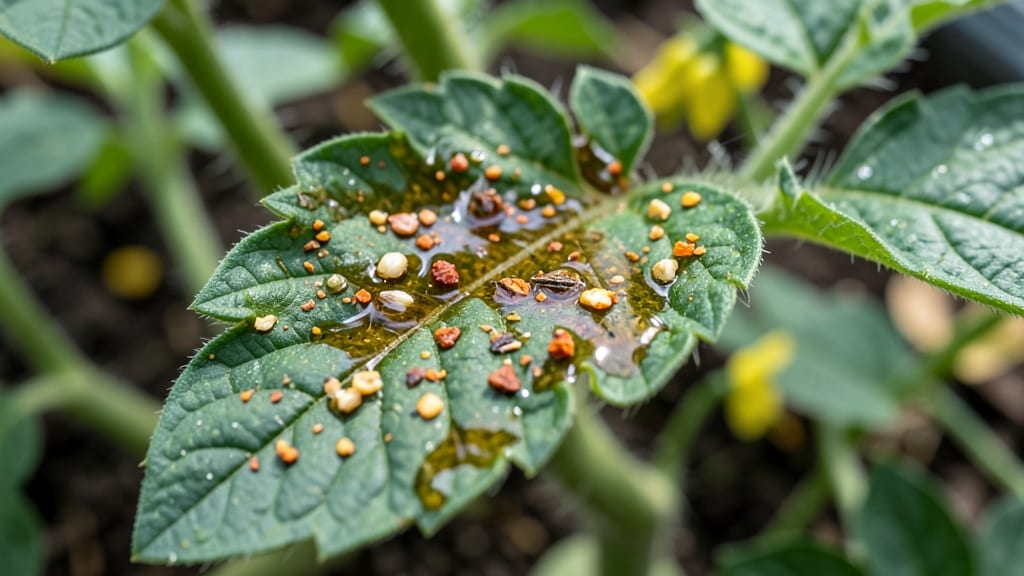
Homemade bug repellent for tomato plants saves you money and keeps your garden chemical-free. 🌱 After battling aphids and hornworms for years, I perfected this citrus-pepper spray that works within hours—no harsh chemicals needed.
The blend of citrus oils and cayenne pepper creates a natural barrier pests avoid, while still being safe for your plants and pollinators when used correctly.
The recipe uses just five simple ingredients: water, citrus peels (or essential oils), cayenne pepper, dish soap, and a spray bottle. Most are already in your kitchen, making this a budget-friendly solution that outperforms many store-bought options.
Unlike synthetic pesticides, this spray breaks down naturally and won’t harm beneficial insects like ladybugs or bees when applied at the right time.
You’ll notice pests retreating within minutes of application, and the spray lasts 7-10 days between treatments. The citrus scent also masks plant odors that attract pests, giving your tomatoes an extra layer of protection. Best of all, it’s ready in 10 minutes with no special equipment—just mix, shake, and spray.
Works equally well for greenhouse tomatoes, container plants, or large garden beds. The key is consistency: apply in the early morning or evening when bees are least active. Here’s how to make it—no green thumb required.
📚 In This Guide
- What you need
- Instructions
- Tips and common mistakes
- Wrapping up and next steps
What you need
- ● 1 cup fresh orange or lemon peels (or ½ cup dried citrus peel—no rind needed if using juice)
- ● 1-2 fresh red chili peppers (like jalapeño or cayenne—adjust heat to taste!)
- ● 1 gallon (3.8L) water (distilled or boiled & cooled for best results)
- ● 1 tbsp dish soap (mild, unscented) (acts as a surfactant to help the spray stick)
- ○ 1 tsp vegetable oil (optional but recommended) (helps repellent cling to leaves)
- ● 1 large pot or saucepan (for boiling peels/peppers)
- ● 1 fine-mesh strainer or cheesecloth (to strain out solids)
- ● 1 spray bottle (16-32 oz / 500mL-1L) (glass or BPA-free plastic preferred)
- ● Glove & eye protection (chili peppers can sting!)
- ○ Funnel (optional) (for easy pouring into the spray bottle)
- ● Access to a stove or microwave (for boiling water/peels).
- ● Time to let the mixture cool before spraying (at least 30 minutes).
- ● Tomato plants ready for treatment (best applied in early morning or evening to avoid burning leaves).
Step-by-step instructions for making citrus-pepper tomato repellent
Here's the foolproof method I use to keep tomato plants thriving—naturally and without harsh chemicals.
🌱 Step 1: Gather and Prep Ingredients
Start with 2 cups of water and 1 cup of fresh citrus peels—I use grapefruit or lemon for the strongest scent. Remove all white pith (it can irritate plant tissue) and chop peels into ¼-inch strips. This releases the natural oils that repel pests while adding a pleasant aroma to your garden.
Next, add 1 tablespoon of cayenne pepper—the capsaicin is what deters insects. For extra potency, include 1 tablespoon of garlic cloves (minced) and 1 tablespoon of dish soap (unscented). The soap helps the mixture cling to plant surfaces. Keep everything in a quart-sized spray bottle for easy application.
💧 Step 2: Simmer and Strain the Mixture
Combine all ingredients in a saucepan and bring to a gentle boil over medium heat. Let it simmer for 10 minutes—this extracts the essential oils from the citrus and activates the pepper's repellent properties. You'll see the liquid turn slightly cloudy and smell intensely citrusy.
Remove from heat and let cool completely before straining through a fine-mesh sieve or cheesecloth. Discard the solids and transfer the liquid back to your spray bottle. The strained mixture should be amber-colored with a strong citrus-pepper aroma. Store in a cool, dark place for up to 2 weeks—shake well before each use.
☀️ Step 3: Apply to Tomato Plants Strategically
Spray the repellent early in the morning when pests are least active. Focus on the undersides of leaves (where aphids and whiteflies hide) and the main stems (where tomato hornworms often climb). Avoid spraying when plants are wilting or in direct sunlight—this prevents leaf burn.
Reapply every 5-7 days or after heavy rain. You'll notice pests like aphids and spider mites disappearing within 24 hours. For stubborn infestations, increase frequency to every 3-4 days until the pest population declines. Always test a small leaf area first—some tomato varieties are more sensitive to pepper sprays.
✂️ Step 4: Enhance Protection with Companion Planting
Combine this spray with physical barriers for best results. Plant basil or marigolds near your tomatoes—their strong scents confuse pests and complement the repellent's effects. I also sprinkle dried pepper flakes around the base of plants as a visual deterrent.
Rotate your application method weekly: one week spray the foliage, the next focus on the soil around the plants. This keeps pests off-balance and prevents them from adapting to a single defense strategy. Monitor your plants daily—early detection means fewer pests to deal with later.
Tips & tricks for perfect citrus-pepper tomato repellent
Here's what nobody tells you about making this repellent work like a charm—every gardener should know these before spraying.
Citrus Selection Matters: Grapefruit peels pack the strongest pest-repelling oils, but lemon works too. Avoid oranges—they contain limonene, which can actually attract some insects. For maximum potency, use a mix of grapefruit and lemon peels (like the 1 cup total in the recipe). The thicker the peel, the more oils it contains, so choose firm, unwaxed citrus.
Simmering Secret: That 10-minute simmer on medium heat is non-negotiable—it's the sweet spot for extracting oils without burning the citrus or losing volatile compounds. Watch for tiny bubbles forming around the edges of the peels; this signals the oils are releasing. If you see the liquid turn murky too soon, reduce to low heat immediately to prevent scorching.
Straining Strategy: Use cheesecloth for the finest straining possible—it catches more fine particles that could clog your spray bottle. After straining, press the solids gently with a spoon to extract every last drop of liquid. The amber color you see in the final mixture means you've captured all the active ingredients. For stubborn residue, give the bottle a quick shake before each use.
Application Timing: The early morning application window (before 9 AM) is critical—pests are sluggish then, and the dew helps the spray adhere better. If you must spray later, do it in the late afternoon when temperatures drop. Never spray when plants are wet or in direct sunlight; the pepper compounds can cause leaf burn under these conditions.
Pro Tips for Homemade Bug Repellent For Tomato Plants
- Here's what nobody tells you about making this repellent work like a charm—every gardener should know these before spraying.
- Citrus Selection Matters: Grapefruit peels pack the strongest pest-repelling oils, but lemon works too.
- Simmering Secret: That 10-minute simmer on medium heat is non-negotiable—it's the sweet spot for extracting oils without burning the citrus or losing volatile compounds.
Frequently asked questions
Got questions about keeping your tomato plants pest-free with homemade bug repellent? You’re not alone! Here are some of the most common queries—and straightforward answers—to help you get the best results.
How often should I reapply homemade bug spray to tomato plants?
Reapply your citrus-pepper spray every 3–5 days or after heavy rain. For best results, spray in the early morning when pests are most active. Humidity can dilute the spray faster, so check plants regularly. If pests return sooner, increase frequency or boost the pepper concentration slightly (but avoid overdoing it—tomatoes are sensitive!).
Can I use this spray on other vegetables or herbs?
Yes! This recipe works on peppers, basil, cucumbers, and squash, but test a small area first—some plants (like parsley) may react to citrus oils. Avoid using it on carrots or lettuce, as their delicate leaves can burn. For herbs like thyme or rosemary, the pepper-citrus combo is actually a great companion!
What if bugs keep coming back after spraying?
If pests persist, try these troubleshooting steps:
- Increase potency: Add 1 extra drop of cayenne pepper per cup of water.
- Rotate methods: Combine with neem oil or garlic spray for a stronger defense.
- Check for hidden pests: Inspect undersides of leaves and soil for eggs or larvae.
- Encourage predators: Plant marigolds or nasturtiums nearby to attract ladybugs.
Will this spray work in cold or humid climates?
Citrus-pepper spray works best in temperatures above 50°F (10°C). In cold climates, apply it before a frost to protect overwintering pests. For humidity, spray during dry mornings to prevent mold growth. If your area is very humid, reduce pepper oil slightly (½ tsp per cup) to avoid leaf burn.
Are there any plants or pests this spray won’t work on?
This spray is not effective against:
- Tomato hornworms (handpick them instead!).
- Squash bugs (use a targeted soapy water spray).
- Root pests (like nematodes—try compost or beneficial fungi).
Wrapping up and next steps
Protecting your tomato plants from pests doesn’t have to be complicated or expensive!
With just a few simple ingredients—like citrus peels and hot peppers—you can create an effective, homemade bug repellent that keeps unwanted critters away while being safe for your garden. 🌱 This DIY solution is not only budget-friendly but also eco-conscious, giving you peace of mind as you nurture your thriving plants.
Ready to give it a try? Grab your ingredients, follow the steps, and watch your tomato plants flourish pest-free! For even more tips, explore our companion planting guide to maximize your garden’s natural defenses. Happy gardening! 🌿