
Plants
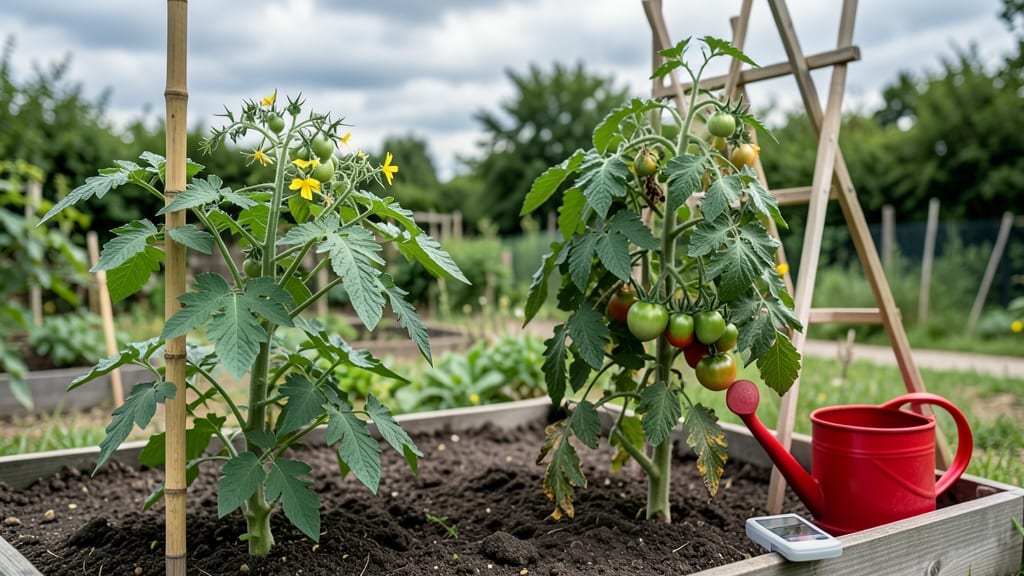
Your drooping tomato plant leaves might just need a calcium boost to snap back to life—fast. 🌱 I’ve seen limp plants go from sad to sturdy within days when the right fix is applied, and it’s usually simpler than you’d think.
The issue often boils down to one of three things: underwatering, calcium deficiency, or heat stress, all of which can be reversed with the right approach.
Start by checking the soil—if it’s bone-dry or waterlogged, that’s your first clue. Tomato plants need consistent moisture, not soggy roots or drought stress. But if the soil feels right, the problem could be calcium deficiency (common in sandy soils) or blossom end rot (those telltale brown bottoms).
A quick spray of calcium nitrate or crushed eggshells can work wonders in just 48 hours.
What you’ll end up with is a plant that stands tall again, with firm, vibrant leaves and a renewed ability to produce fruit. The best part?
This fix works for both potted and in-ground tomatoes, and it’s something you can do without fancy tools—just water, patience, and a little calcium magic.
If the drooping persists after a week, though, it might be time to check for pests or disease. But in most cases, this fast calcium fix is all you need to bring your tomatoes back from the brink. Let’s get those leaves perky again!
Root Causes Behind Wilting Tomato Foliage
When your tomato plant’s leaves start drooping like a tired sunbather, it’s rarely a random act of nature—it’s a distress signal from the plant. Understanding the why behind the wilt is the first step to reviving your crop.
Below, we break down the most common culprits, from hidden soil issues to environmental stressors, with the science behind each one.
Tomatoes are thirsty plants, but too much water is a recipe for root suffocation. When soil stays soggy for days, roots can’t absorb oxygen, leading to anaerobic stress. This triggers a cascade of problems:
- Root rot: Fungal pathogens like Phytophthora thrive in waterlogged soil, rotting roots and cutting off water/nutrient flow.
- Nutrient leaching: Excess water washes away calcium, magnesium, and other essential minerals, weakening cell structure.
- Blossom-end rot (indirectly): While not the same as leaf droop, calcium deficiency from poor drainage often appears as wilting followed by fruit rot.
Actionable clue: Check the soil 2 inches down—if it’s damp, hold off on watering. Tomatoes prefer consistently moist but well-drained soil, not a swamp.
Drooping leaves can also scream “I’m parched!”—especially in hot weather. Tomatoes have shallow roots that dry out fast in heatwaves. When soil moisture drops below 50%, plants trigger stomatal closure to conserve water, causing leaves to wilt temporarily. However, prolonged drought leads to:
- Cell membrane damage: Without turgor pressure (water pushing against cell walls), leaves lose rigidity.
- Nutrient transport shutdown: The plant prioritizes survival over growth, halting calcium and potassium delivery to new leaves.
- Sunburn risk: Wilting leaves can’t regulate temperature, leading to scorched foliage.
Actionable clue: Water deeply early in the morning (1–1.5 inches per week) and mulch to retain moisture. Mulch acts like a plant spa blanket—keeping roots cool and hydrated.
While blossom-end rot is famous for its blackened tomato bottoms, calcium deficiency also causes leaf wilting—especially in young, fast-growing plants. Calcium is the glue holding plant cell walls together. Without enough:
- Cell walls weaken: Leaves lose structure, leading to floppy, curled edges.
- Root growth stalls: Calcium is critical for root tip development, so roots can’t absorb water efficiently.
- Transpiration increases: Weakened leaves lose water faster, accelerating wilting.
Actionable clue: Test your soil’s pH (ideal: 6.0–6.8). Calcium is less available in acidic soil. Amend with crushed eggshells, gypsum, or a calcium nitrate spray (1 tsp/gallon of water, applied foliarly).
Not all wilting is environmental—hidden pests or pathogens can hijack your tomato’s vascular system. Common culprits include:
| Pest/Disease | How It Causes Drooping | Tell-Tale Signs |
|---|---|---|
| Aphids or Spider Mites | Sap-sucking pests disrupt nutrient flow, causing leaves to yellow and wilt. | Sticky residue (honeydew), webbing, or tiny bugs on undersides. |
| Verticillium or Fusarium Wilt | Fungal pathogens clog xylem vessels, blocking water transport. | Yellowing veins, vascular browning (cut a stem to check), wilting spreads upward. |
| Root-Knot Nematodes | Microscopic worms damage roots, reducing water absorption. | Galls (lumpy roots), stunted growth, wilting worsens in heat. |
Actionable clue: Inspect leaves and soil for pests. For fungal wilt, remove infected plants immediately (don’t compost them!). Use neem oil for pests or beneficial nematodes for soil-dwelling threats.
Tomatoes are heavy feeders, and nutrient extremes can cause wilting. For example:
- Nitrogen excess: Lush green leaves but weak stems (leads to top-heavy wilting).
- Potassium deficiency: Leaves wilt even when soil is moist because potassium regulates water movement.
- Magnesium deficiency: Causes interveinal chlorosis (yellowing between veins), weakening leaf structure.
Actionable clue: Use a balanced fertilizer (e.g., 5-10-10) and Epsom salt (1 tbsp/gallon) for magnesium. Test your soil—over-fertilizing is just as harmful as under-fertilizing!
Each of these causes has a distinct fingerprint—whether it’s the crunch of overwatered soil, the sticky trails of aphids, or the brown streaks of fungal wilt. Next, we’ll tackle how to diagnose which one is plaguing your plant so you can act fast.
Revive Your Tomato Plants Fast
Drooping tomato leaves can feel like a crisis, but with the right fixes, your plants can bounce back stronger than ever. The key is identifying the root cause—whether it’s thirst, stress, or nutrient deficiencies—and tackling it head-on.
Below, we break down practical, step-by-step solutions tailored to common problems, plus prevention tips to keep your tomatoes thriving all season.
If your soil feels soggy or water pools around the base of the plant, root rot or oxygen starvation could be the culprit. Here’s how to rescue your tomatoes:
- 🚰 Stop Watering Immediately
- Let the top 1–2 inches of soil dry out before watering again. Overwatering suffocates roots, leading to droop.
- 🔥 Improve Drainage Fast
- Mix perlite or coarse sand into the soil (1 part amendment to 3 parts soil) to aerate it.
- If potted, drill holes in the container if none exist, or repot into a larger container with fresh, well-draining potting mix.
- ✂️ Prune Damaged Roots (Advanced Fix)
- Gently remove the plant, trim any black or mushy roots with sterilized scissors, then replant in fresh soil.
💡 Prevention Tip: Water deeply once or twice a week (depending on climate) rather than daily shallow waterings. Use a moisture meter to check soil levels.
Tomatoes wilt under scorching sun or heatwaves, especially in containers. Act quickly to prevent permanent damage:
- 🌿 Provide Shade Temporarily
- Use shade cloth (30–50%) or move potted plants to a spot with morning sun + afternoon shade.
- 💦 Water at the Right Time
- Early morning is best—watering at night can promote fungal diseases. Aim for 1–2 inches of water per week.
- 🌡️ Mulch to Retain Moisture
- Spread straw or wood chips around the base (but not touching the stem) to keep roots cool and hydrated.
💡 Prevention Tip: If you’re in a hot climate, choose heat-tolerant varieties like ‘Solar Fire’ or ‘Heatmaster.’
Droopy leaves often signal a lack of calcium, nitrogen, or potassium. Here’s how to diagnose and fix it:
| Symptom | Likely Cause | Quick Fix |
|---|---|---|
| Yellowing lower leaves | Nitrogen deficiency | Apply balanced fertilizer (10-10-10) or compost tea. |
| Brown, crispy edges | Calcium deficiency | Sprinkle crushed eggshells or use calcium nitrate (1 tbsp per gallon of water). |
| Purple stems/leaves | Phosphorus deficiency | Feed with bone meal or a phosphorus-rich fertilizer (5-10-10). |
| Weak, floppy growth | Potassium deficiency | Use wood ash (1 cup per plant) or a potassium sulfate solution. |
💡 Prevention Tip: Prevent blossom end rot (a calcium issue) by adding 1 tbsp of gypsum per plant every 2 weeks during fruiting.
If pests like aphids, spider mites, or fungal infections are to blame, isolate and treat the plant immediately:
- 🐜 Inspect for Pests
- Check undersides of leaves for sticky residue (aphids), webbing (spider mites), or holes (caterpillars).
- 🧼 Treat with Natural Remedies
- Soapy water spray (1 tsp mild soap + 1 quart water) for soft-bodied pests.
- Neem oil (1 tbsp + 1 quart water, spray weekly) for fungal issues like early blight.
- 🌿 Improve Airflow
- Prune crowded foliage and space plants 18–24 inches apart to reduce humidity and disease risk.
💡 Prevention Tip: Rotate crops yearly to prevent soil-borne diseases. Use copper fungicide as a preventive spray in humid climates.
No matter the issue, these universal fixes help perk up drooping tomatoes:
- 🍳 Give a Calcium Boost (Critical for Rigidity!)
- Mix 1 tbsp of calcium chloride or eggshell powder into the soil or spray a diluted solution (1 tsp/gallon) on leaves.
- 🌿 Trim Damaged Foliage
- Remove yellow, brown, or severely wilted leaves to redirect energy to healthy growth.
- 🔄 Repot if Roots Are Bound
- If roots circle the pot, upgrade to a 1–2 gallon container with fresh soil.
- 🌱 Support Weak Stems
- Use tomato cages or stakes to prevent further drooping as the plant recovers.
✨ Pro Tip: If your tomatoes are past saving, don’t despair! Cut back the plant by 1/3, fertilize lightly, and it may regrow stronger. Sometimes, a fresh start is the best solution. 🍅💪
Frequently asked questions about drooping tomato plant leaves
Why do my tomato leaves droop in the afternoon but recover at night?
This is usually a sign of heat stress or underwatering. Tomato plants close their stomata (pores) during hot afternoons to conserve water, causing wilting. If they recover overnight, your plant is likely just thirsty—water deeply in the morning and mulch to retain moisture. For extreme heat, provide afternoon shade with shade cloth.
How quickly should I expect to see improvement after fixing the problem?
With proper care, you should notice recovery within 24–48 hours. If the issue is water-related, leaves may perk up within hours. For calcium deficiencies, it takes 3–5 days for new growth to firm up. If drooping persists beyond a week despite your efforts, check for root rot or pests, which require more intensive treatment.
Can I save a tomato plant if the drooping is caused by root rot?
It depends on how severe the damage is. For early-stage root rot, you can try pruning affected roots, repotting in fresh, sterile soil, and withholding water until the soil dries out. However, if the roots are mostly mushy and black, the plant may not recover. In this case, remove it completely to prevent spreading to other plants.
What’s the difference between drooping from underwatering and overwatering?
Underwatered plants have dry, crispy soil and leaves that feel papery when touched. Overwatered plants sit in soggy soil, and the leaves may feel soft and mushy. Another clue: underwatered plants often recover quickly after watering, while overwatered ones may develop yellowing or blackened stems from rot.
Is it safe to use eggshells for calcium if my soil is already alkaline?
Yes, but with caution. Eggshells provide calcium without affecting soil pH. However, if your soil is already alkaline (pH 7.5+), focus on gypsum (calcium sulfate) instead, as it won’t raise alkalinity. Test your soil first—ideal pH for tomatoes is 6.0–6.8. Mix crushed eggshells or gypsum into the top 2 inches of soil around the plant.