
Companion Plants
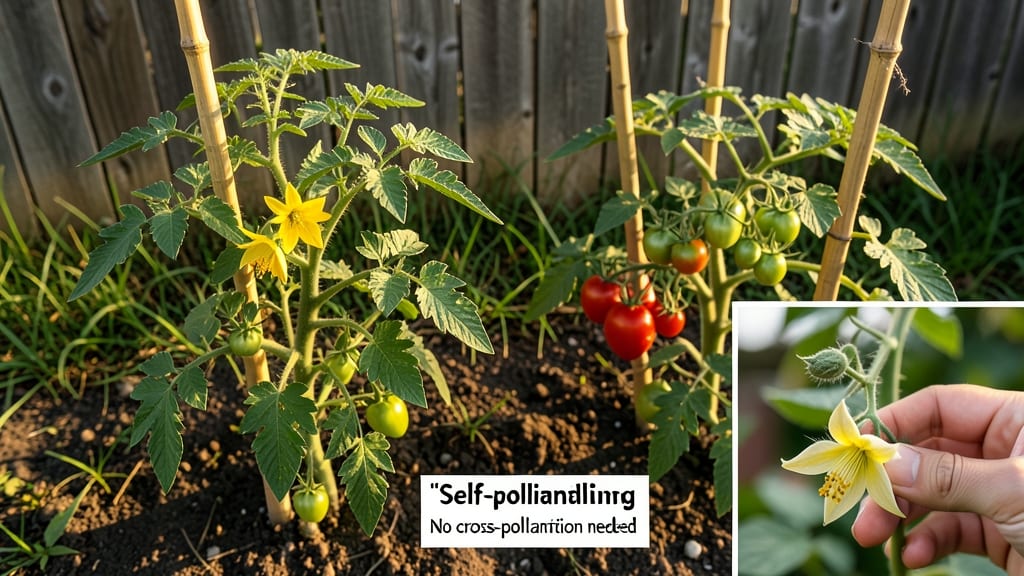
To pollinate tomato plants, you don’t always need two—self-fertile varieties like Roma or Cherry tomatoes produce flowers that fertilize themselves, while heirloom types may require bees or manual assistance for fruit development.
Many gardeners assume you need two tomato plants for pollination, but the truth depends on the variety. 🌱 Self-pollinating tomatoes (like most hybrids) have bisexual flowers containing both male and female parts, so they can set fruit alone.
Cross-pollinated types, however, need outside help—bees, wind, or your hand—to transfer pollen between plants. This distinction explains why some tomatoes thrive in containers while others struggle unless you provide extra pollination assistance.
Understanding this difference saves space in your garden and helps troubleshoot fruitless flowers. For example, if your heirloom tomatoes aren't producing, try gently shaking the plants or using a small brush to transfer pollen manually. The key is recognizing whether your plants are self-sufficient or need a helping hand.
💡 In This Article
- Self-Pollinating vs Cross-Pollinating Tomato Varieties Explained
- How to Ensure Tomato Pollination Without a Second Plant
Self-pollinating vs cross-pollinating tomato varieties explained
Tomato flowers come in two fundamental types: bisexual (self-pollinating) and unisexual (cross-pollinating).
Self-fertile varieties like Roma or Sweet 100 Cherry tomatoes have flowers containing both male and female reproductive organs, allowing them to set fruit without external help. 🌸 The pollen from the anther (male part) naturally transfers to the stigma (female part) through gentle vibrations—even from wind or rain.
This makes them ideal for containers or small spaces where planting two plants isn't practical.
Cross-pollinated varieties, such as many heirloom tomatoes (like Brandywine or Cherokee Purple), often have separate male and female flowers that require pollen transfer from another plant. These types rely heavily on bees or manual intervention to achieve fertilization.
The pollen grains in cross-pollinated varieties are typically larger and stickier, making them less likely to transfer effectively through wind alone. This is why you might see flowers on heirloom plants that never develop into fruit unless you assist the process.
Environmental factors play a crucial role in pollination success. Temperatures below 55°F or above 90°F can disrupt pollen viability, while high humidity may cause pollen to clump and fail to transfer properly.
Self-pollinating varieties are more forgiving in these conditions, but cross-pollinated types often need ideal weather or human assistance to compensate. 🌡️ The flower structure itself also matters—bisexual flowers have a more compact design that facilitates self-pollination, while unisexual flowers may require physical contact or wind to bridge the gap between male and female parts.
Here's how to identify which type you're growing: Look at the flower's center. Self-pollinating varieties typically have a small, raised yellow cone (the anther) surrounded by petals, while cross-pollinated flowers may show separate male and female structures.
The fruit development pattern also gives clues—self-pollinating plants will set fruit consistently, while cross-pollinated ones may have sporadic fruit set unless pollinated properly. This visual difference helps gardeners choose varieties that match their growing conditions and space constraints.
For example, if you're growing Beefsteak tomatoes (often cross-pollinated), you might notice some flowers dropping off without setting fruit—a clear sign they need pollen from another plant. In contrast, Celebrity tomatoes (self-pollinating) will reliably produce fruit even when grown alone.
Understanding these differences allows you to plan your garden more efficiently and troubleshoot pollination issues before they become problems.
One common misconception is that all tomato varieties need two plants. In reality, the majority of modern hybrid tomatoes are self-pollinating, which is why they're so popular for home gardens.
However, if you're growing rare or specialty varieties, always check the plant tag or seed packet—it will specify whether the variety is self-fertile or requires cross-pollination. This small detail can save you from frustration and wasted space in your garden layout.