
Flowers
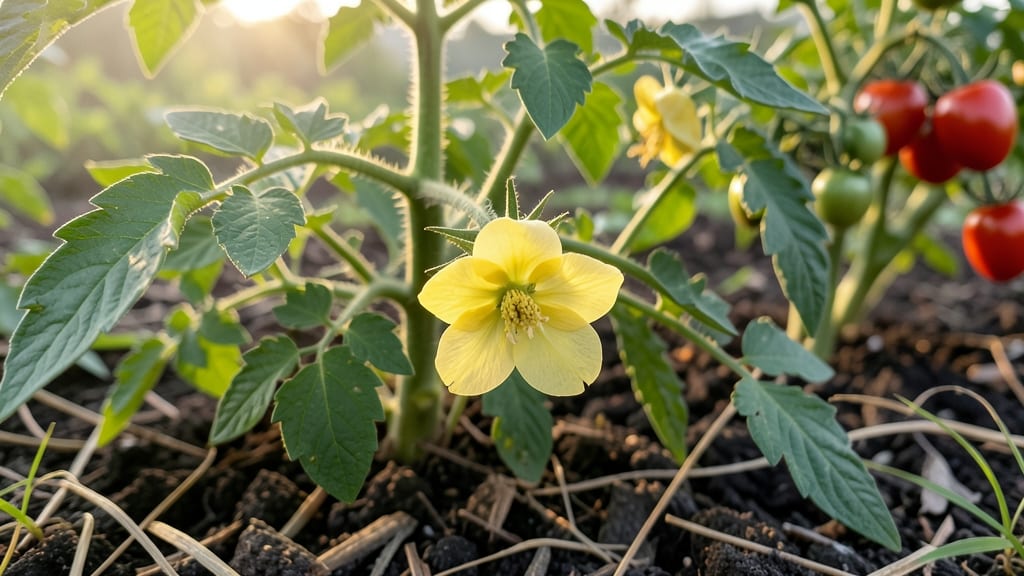
Unpollinated tomato flowers mean fewer tomatoes—unless you know the trick. 🌱 After years of watching my blossoms drop without setting fruit, I learned that sometimes plants just need a little help to do what comes naturally.
The fix is simpler than you'd think: a gentle touch at the right moment can turn those empty flowers into heavy, juicy fruit.
Most of the time, tomato flowers fail to pollinate because they're waiting for bees or wind to do the work—but indoors, in shady spots, or during rainy weather, nature skips its shift.
Over-fertilizing with too much nitrogen can also send your plant into a leafy frenzy instead of focusing on fruit production. Even pests like aphids can disrupt the process by damaging the delicate flower parts.
With just a soft brush or your fingertip, you can mimic the buzz of a bee and trigger fruit set in minutes. The key is timing—pollinate in the morning when flowers are fresh and open.
Within a week, you'll see tiny tomatoes forming where there were once just empty blooms. It's a game-changer for indoor growers, small-space gardeners, or anyone dealing with poor pollination.
This method works for every type of tomato—cherry, beefsteak, or heirloom—no matter where you're growing them. Once you try it, you'll never ignore those little white flowers again. Let's get those tomatoes growing!
Root Causes of Empty Tomato Blossoms
When your tomato plants burst with vibrant flowers but fail to produce fruit, it’s often due to a lack of pollination. But why does this happen? Let’s break down the key reasons—from environmental factors to plant biology—so you can troubleshoot and fix the issue before it’s too late.
Tomatoes rely on pollinators like bees, wind, or even gentle human intervention to transfer pollen from the anthers (male parts) to the stigma (female part) of the flower. But when the weather turns against them, pollination grinds to a halt.
- Cold Temperatures: Below 50°F (10°C), bees and other pollinators become sluggish or avoid flowers entirely. If your region experiences late frosts or chilly mornings, flowers may open but fail to set fruit.
- Heatwaves & Humidity: Temperatures above 90°F (32°C) can cause pollen to dry out or become sterile, while high humidity may prevent pollen from sticking to the stigma. This is especially common in greenhouses or hot climates.
- Rain or Wind: Heavy rain can wash away pollen before it reaches the stigma, while strong winds may blow pollen away entirely. If you notice flowers wilting or drooping after storms, pollination likely failed.
💡 Pro Tip: Monitor your local weather forecast and hand-pollinate flowers during cool, dry mornings (6–9 AM) when humidity is low and pollen is most effective.
Tomatoes are self-pollinating, meaning a single plant can fertilize itself—but they still need a little help. Without adequate pollinators, flowers remain unpollinated, leading to dropped blossoms or fruit that never forms.
- Bee Decline: Urbanization, pesticides, and habitat loss have reduced bee populations. If your garden is far from natural pollinator sources (like wildflowers or meadows), tomatoes may suffer.
- Indoor or Greenhouse Growing: Without bees buzzing around, indoor tomatoes depend entirely on you—or wind, which is unreliable. Even small greenhouses can trap pollen indoors, but without movement, it may not reach the stigma.
- Timing Mismatch: Some tomato varieties (like cherry tomatoes) produce flowers that open all at once. If bees aren’t active during peak bloom, mass pollination fails.
🔥 Action Step: Attract pollinators by planting bee-friendly flowers (like marigolds, basil, or borage) near your tomatoes. If bees are scarce, hand-pollinate using a soft brush or your finger—more on that later!
A tomato plant under stress won’t prioritize fruit production—it’s too busy surviving. When flowers drop or fail to set fruit, the issue often traces back to the plant’s overall well-being.
| Stress Factor | How It Affects Pollination | Solution |
|---|---|---|
| ✂️ Over-Pruning or Root Damage | Reduces energy for flower development; weakens the plant’s ability to support fruit. | Prune selectively, focusing on removing only diseased or overcrowded branches. |
| 💧 Over/Under-Watering | Drought stress causes flowers to drop; overwatering leads to root rot, starving the plant. | Water deeply but infrequently (1–1.5 inches per week) and ensure well-draining soil. |
| 🍄 Fungal/Bacterial Infections | Blight or powdery mildew weaken the plant, reducing flower viability. | Use neem oil or copper fungicide; remove infected leaves immediately. |
| 🌿 Nutrient Deficiencies | Low phosphorus (_P_) or potassium (_K_) stunts flower and fruit development. | Fertilize with a balanced 10-10-10 or tomato-specific formula at flowering stage. |
🌡️ Quick Check: Healthy tomato plants have dark green, glossy leaves and strong stems. Yellowing leaves or wilting flowers? Time to intervene!
Not all tomatoes are created equal—some varieties are self-fruitful (like Beefsteak), while others require cross-pollination (like some heirloom types). Even within self-pollinating varieties, certain traits can hinder fruit set.
- Parthenocarpy: Some modern hybrid tomatoes (e.g., ‘Solar Fire’) produce fruit without pollination—but these are exceptions, not the rule. Most homegrown varieties still need pollen transfer.
- Male-Sterile Flowers: Rare in tomatoes, but some flowers may lack functional pollen. If you notice flowers with no visible anthers (the yellow dusty bits), they won’t self-pollinate.
- Environmental Sensitivity: Certain heirloom tomatoes (like ‘Brandywine’) are picky about temperature and humidity. If conditions aren’t ideal, they may abort flowers.
🎯 Solution: If you suspect varietal issues, choose determinate tomatoes (bush types) for more reliable pollination, or opt for self-pollinating hybrids if growing indoors.
Now that you know the why behind unpollinated tomato flowers, the next step is fixing it—stay tuned for hands-on pollination techniques and pro grower tips!
Fixing Unpollinated Tomato Flowers
When your tomato plants are blooming but not bearing fruit, it’s time to take action! The good news is that most causes of unpollinated tomato flowers have simple, effective solutions—many of which you can implement in just minutes.
Below, we’ve mapped out practical fixes for the most common issues, along with prevention tips to keep your plants productive all season long.
If your tomatoes aren’t setting fruit due to poor pollination, try these hands-on (or hands-off!) methods:
🔥 Hand-Pollinate Like a Pro
Tomatoes rely on vibrations or wind to release pollen. When conditions are calm or humid, give them a helping hand: - Gently shake the plant (🌳) – Hold the stem near the base and give it a light shake to dislodge pollen.
Do this in the morning when flowers are open. - Use a soft paintbrush (🎨) – Brush the stamens (the yellow pollen-covered parts) onto the pistil (the green center) of each flower. This mimics bee activity. - Try a toothbrush (🦷) – A cheap, effective alternative!
Tap it against the stamens, then gently stroke the pistil.
> 💡 Pro Tip: Focus on morning pollination—flowers are freshest then, and pollen sticks better in cooler temps.
🐝 Invite Pollinators to the Party
If you’re not up for manual pollination, encourage nature to do the work:
- Plant pollinator-friendly flowers nearby (🌺), like marigolds, basil, or borage. Bees and hoverflies love these!
- Avoid pesticides (🚫💊) – Even "organic" sprays can harm pollinators.
Opt for neem oil or soapy water sprays instead. - Set up a bee water station (💧) – A shallow dish with pebbles and water gives bees a safe drink without drowning them.
Tomatoes are temperature-sensitive—too hot or too cold, and they’ll drop flowers or fail to pollinate.
❄️ Cool Weather Woes?
If nights dip below 55°F (13°C), flowers may abort before pollination:
- Use row covers (🛡️) – Lightweight fabric protects blossoms from chilly winds while allowing sunlight.
- Mulch heavily (🍂) – Straw or grass clippings keep soil (and roots) warmer.
- Choose heat-tolerant varieties (🌶️) – Next season, pick ‘Heatmaster’ or ‘Solar Fire’ tomatoes, bred for hot climates.
🔥 Heat Stress Solutions
If temps climb above 90°F (32°C), pollen can become sterile:
- Provide afternoon shade (☀️🚫) – Use shade cloth (30-50%) to cool plants without blocking light.
- Water deeply in the morning (💦) – Keeps roots cool and encourages transpiration.
- Prune for airflow (🌬️) – Trim dense foliage to reduce heat buildup inside the plant.
> 🎯 Prevention Tip: Monitor your microclimate—tomatoes near pavement or dark surfaces overheat faster. Space plants 18-24 inches apart for better airflow.
Overwatering, underwatering, or nutrient imbalances can stress plants and prevent fruit set.
🚰 Watering Like a Tomato Whisperer
- Water consistently (💧📅) – Aim for 1-1.5 inches per week, keeping soil moist but not soggy.
Drought stress = dropped flowers. - Water at the base (🌱) – Avoid wetting leaves to prevent blossom-end rot or fungal diseases. - Use drip irrigation (💦🔧) – Keeps water where roots need it most and reduces evaporation.
🍽️ Feed for Fruit, Not Just Leaves Too much nitrogen = lush foliage, no fruit.
Too little phosphorus/potassium = weak pollination. - Switch to a bloom-boosting fertilizer (🌸) – Look for a 5-10-10 or 10-20-20 NPK ratio (higher middle number = more phosphorus for flowers). - Add compost or worm castings (🐛) – Improves soil structure and provides slow-release nutrients. - Avoid over-fertilizing (🚫💥) – More isn’t better!
Follow package instructions to prevent burnt roots.
> 🔥 Quick Fix: If your plant looks yellow between veins, it’s nitrogen-heavy. Flush the soil with water and switch to a phosphate-rich fertilizer for 2 weeks.
Overcrowded or stressed plants drop flowers before pollination can happen.
✂️ Prune for Productivity - Remove suckers (🌿🚫) – These compete for energy.
Pinch them off when they’re smaller than a pencil. - Prune lower leaves (🍃) – Improves airflow and reduces humidity (which can cause disease). - Limit fruit load (🍅📉) – If a plant has too many tomatoes, remove some to let the remaining ones grow bigger.
🪑 Provide Stakes or Cages
- Weak stems = dropped flowers (🌪️). Use stakes, cages, or trellises to support plants.
- Tie stems gently (🎀) – Use soft fabric strips (not wire) to avoid damaging the plant.
> ✨ Bonus Tip: If your tomatoes are blossoming but not fruiting, check for fruitworms (🐛). Handpick them or use BT (Bacillus thuringiensis) spray.
Want to avoid unpollinated flowers year after year?
Follow this simple plan: ✅ Choose disease-resistant varieties (e.g., ‘Celebrity’ or ‘Better Boy’). ✅ Start seeds indoors (🌱) for a longer growing season. ✅ Mulch early to retain moisture and regulate soil temp. ✅ Monitor weather forecasts and protect plants from late frosts or heatwaves. ✅ Rotate crops to prevent soil-borne diseases.
With these easy fixes, your tomato plants should be bursting with fruit in no time! 🍅✨ Whether you’re shaking flowers, adjusting water, or tweaking fertilizer, small changes make a big difference. Happy gardening!
Frequently asked questions
Why do my tomato flowers keep falling off before they turn into fruit?
This is called blossom drop and usually happens when flowers aren't pollinated or the plant is stressed. Common causes include extreme temperatures (below 55°F or above 90°F), inconsistent watering, or too much nitrogen fertilizer. Try hand-pollinating in the morning and check for proper spacing between plants.
Can I use a toothbrush to pollinate tomato flowers?
A toothbrush works perfectly for hand-pollination. Just tap it gently against the yellow pollen-covered stamens, then stroke the green center of each flower. Do this in the morning when flowers are freshest, and you'll see tiny tomatoes forming within a week.
How do I know if my tomato flowers are actually pollinated?
After successful pollination, the flower will start wilting and a tiny fruit will begin forming at the base. The flower petals may drop off completely within 2-3 days. If flowers stay open and no fruit appears, they need more help with pollination.
Will unpollinated tomato flowers eventually produce fruit?
Most likely not. Once a tomato flower drops without pollination, it won't develop into fruit. However, some modern hybrid varieties (like 'Solar Fire') can produce fruit without pollination through a process called parthenocarpy - but this is rare in home gardens.
Can I save seeds from unpollinated tomatoes?
No, you can't. Unpollinated flowers won't develop viable seeds because fertilization never occurred. The tiny fruit that might form would be seedless. For seed saving, you need properly pollinated tomatoes that have fully matured and dried on the vine.