
Companion Plants
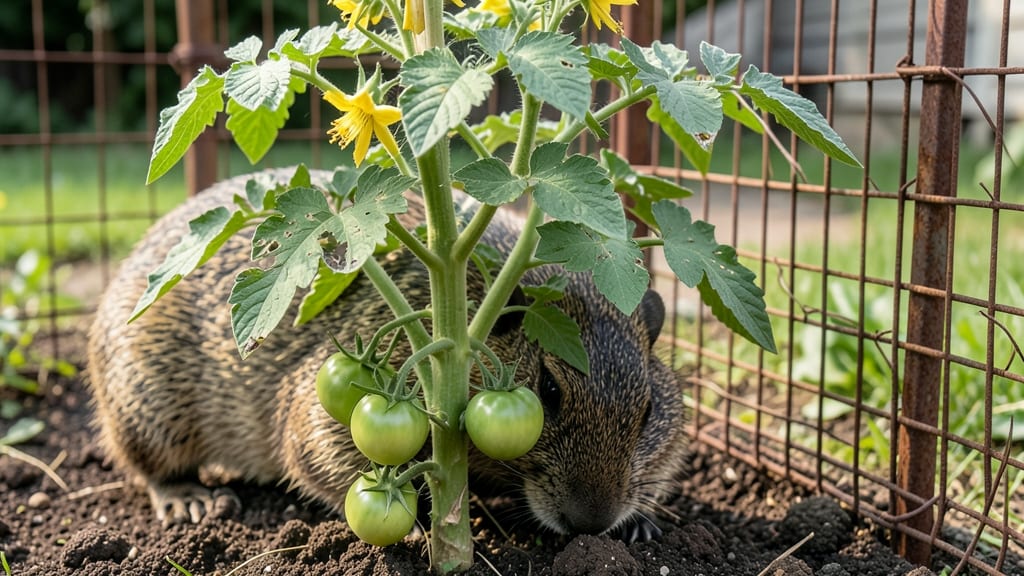
Yes, woodchucks eat tomato plants, particularly the leaves, stems, and fruit, though they'll first go for easier-to-access plants like clover or grasses when available. Protect your garden with fencing or repellents to limit the damage.
Woodchucks—also known as groundhogs—are generalist herbivores, meaning they'll munch on just about any plant material they can reach. 🌱 While they don't actively seek out tomatoes, they'll happily snack on your garden if other food sources are scarce.
Their preference for tender young shoots and leaves makes tomato plants especially vulnerable during the growing season, particularly in late spring and early summer when vegetation is lush.
Unlike rabbits or deer, woodchucks tend to forage closer to the ground, which is why shallow fencing or raised beds often fail to deter them.
If you're dealing with woodchuck damage, focus on making your garden less appealing. A 3-foot-tall fence buried 12 inches deep is the gold standard for prevention, but natural repellents like castor oil-based sprays or predator urine can also help.
I've found that planting strong-smelling herbs like rosemary or thyme around tomato beds acts as a double deterrent—both the scent repels woodchucks and the herbs may improve your tomato's flavor.
💡 In This Article
- Woodchuck Diet and Tomato Plant Vulnerability
- Effective Woodchuck Deterrents for Tomato Gardens
Woodchuck diet and tomato plant vulnerability
Woodchucks primarily target tomato plants when other food sources are limited, as these plants offer a mix of nutrients they crave. Their diet consists of roughly 80% vegetation, with a preference for tender, nitrogen-rich plants like clover, alfalfa, and grasses.
Tomato leaves and stems provide a similar nutritional profile—especially during active growth phases—with their high water content and moderate protein levels.
Unlike rabbits, which focus on bark and shoots, woodchucks use their strong incisors to strip entire leaves and even chew through young tomato stems, creating jagged edges that distinguish their damage from other pests.
The timing of their feeding aligns with tomato plant vulnerability. Woodchucks are most active during dawn and dusk, when they forage for fresh greens. In late spring and early summer, when tomato plants are rapidly growing, woodchucks see them as an easy, nutrient-dense snack.
Their burrowing behavior also makes them persistent—once they find a garden, they'll return daily to the same feeding spots, often creating visible trails between their burrows and your tomato patch. 🌿 Unlike deer, which typically browse from above, woodchucks forage at ground level, making them particularly problematic for low-growing tomato varieties.
What makes tomato plants especially appealing is their high moisture content (about 90-95% water in leaves) and the presence of soluble sugars in the fruit. Woodchucks can detect these nutrients through scent and texture, making them more likely to target stressed or overwatered tomato plants.
Their digestive system is adapted to process fibrous plant matter, but they prefer softer, easier-to-digest vegetation—this is why they'll often leave the tougher tomato vines intact while devouring the leaves and fruit.
Comparing woodchuck behavior to other common garden pests reveals key differences. Rabbits, for instance, tend to nibble on the edges of leaves and avoid mature plants, while deer focus on taller vegetation.
Woodchucks, however, will strip entire plants down to the stem if given the chance, making them one of the most destructive ground-dwelling herbivores for gardeners. Their burrowing habits also create secondary damage by compacting soil around tomato roots, further stressing the plants. 🌱
Seasonal behavior plays a critical role in their tomato consumption patterns. During spring and early summer, when tomato plants are lush and tender, woodchucks are most likely to target them.
By mid-summer, when tomato plants develop tougher skins and woody stems, woodchucks shift their focus to other softer vegetation like beans or lettuce. This seasonal shift explains why gardeners often see the most damage in May and June, when tomato plants are in their most vulnerable growth phase.
Understanding these dietary preferences helps gardeners anticipate and mitigate damage. For example, planting tomato varieties with hairy stems or prickly foliage (like 'Indigo Rose' or 'Cherokee Purple') can deter woodchucks, as they dislike the texture.
Additionally, woodchucks are less likely to target tomato plants that have been lightly pruned to remove tender new growth, forcing them to seek easier meals elsewhere in the garden. 💡