
How To
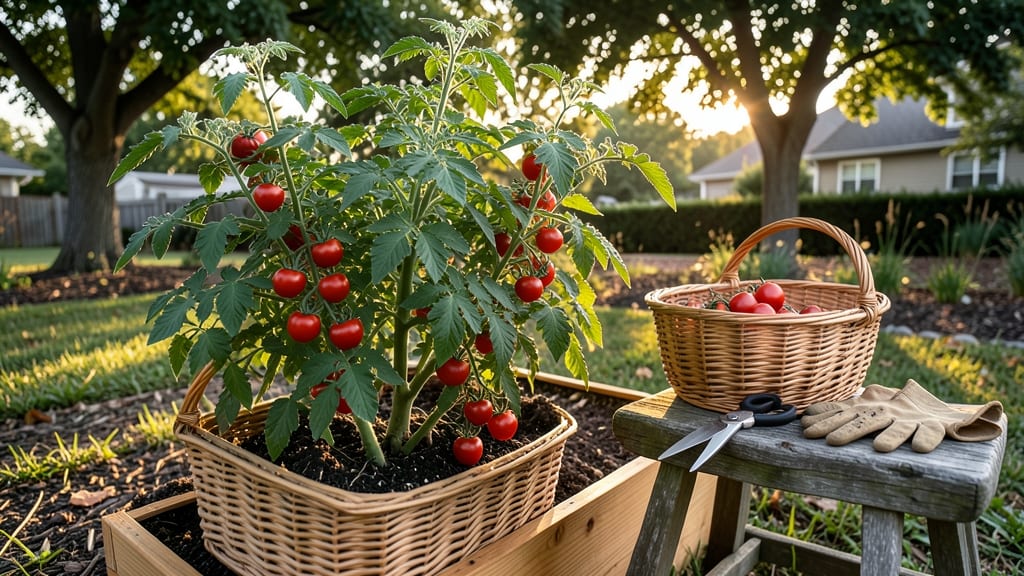
Harvesting cherry tomatoes at the right time turns your garden into a sweet, juicy treasure trove 🍅 — and missing that window means flavorless, mealy fruit that falls apart before you even pick it up.
With over 100 varieties and ripening windows that stretch from 50 to 75 days, figuring out when to harvest can feel like solving a puzzle.
But the secret isn’t just counting days—it’s knowing the exact signs your tomatoes are ready, from color shifts to stem separation, so you never miss peak ripeness.
In this guide, I’ll break down the ideal harvest times for popular varieties like Sweet 100 and Sun Gold, plus how to predict your personal pick dates based on your climate and planting window.
You’ll also learn how to harvest without damaging the plant, ensuring a continuous bounty all season long.
Whether you’re in USDA Zone 6a or further south, these tips will help you turn your cherry tomato plants into a never-ending supply of garden-fresh flavor—no guesswork required.


Cherry tomato harvest time by variety: exact days to ripeness
Predicting your cherry tomato harvest time starts with knowing your variety—because Sweet 100 tomatoes won’t ripen at the same pace as Sun Gold or Black Cherry.
Each variety has a distinct timeline from transplant to harvest, typically ranging from 50 to 75 days, but climate, sunlight, and soil conditions can shift those windows dramatically. Understanding these exact ripening periods helps you plan for continuous harvests and avoid missing peak flavor.
Most cherry tomato varieties fall into three ripening categories: early (55 days), mid-season (60-65 days), and late (70+ days). The days-to-maturity listed on seed packets are based on ideal conditions—70°F (21°C) average temperatures and full sun exposure.
Cooler climates or shorter growing seasons can stretch these timelines by 10-20 days, while heatwaves may accelerate ripening. Let’s break down the exact harvest windows for your top choices.
| Variety | Days to Harvest | Color at Ripeness | Size | Notes |
|---|---|---|---|---|
| Sweet 100 | 55-60 days | Deep red | 1-1.5 inches | Early producer; prolific |
| Sun Gold | 60-65 days | Golden orange | 1-2 inches | Sweetest variety; needs heat |
| Black Cherry | 65-70 days | Deep purple-black | 1 inch | Rich, smoky flavor; heat-loving |
| Super Sweet 100 | 50-55 days | Red | 1 inch | Disease-resistant; early harvest |
| Yellow Pear | 60-65 days | Yellow | 1.5 inches | Sweet-tart; great for containers |
| Tiny Tim | 55-60 days | Red | 0.75 inch | Dwarf variety; perfect for pots |
If you’re growing Sweet 100 or Super Sweet 100, expect your first harvest as early as 50 days after transplanting—ideal for short-season gardeners in zones 5-7. These varieties thrive in cooler temperatures, making them great choices if your summer heat arrives late.
For Sun Gold or Black Cherry, plan for a 60-70 day window, as they demand consistent warmth to ripen fully.
Soil temperature plays a critical role in speeding up or slowing down ripening. Cherry tomatoes need soil temps above 60°F (15°C) to germinate and grow efficiently. If your spring starts cool, consider using black plastic mulch or a cold frame to warm the soil faster.
In USDA Zone 8 or hotter, you might see
How to accurately predict your cherry tomato harvest time
Predicting your cherry tomato harvest time isn’t just about flipping a calendar—it’s about combining seed packet data, your local climate, and plant maturity signals. Most seed packets list days to maturity (like 55-65 days), but that’s just a starting point.
Your actual harvest window depends on when you planted, your last frost date, and how warm your growing season gets. For example, a Sun Gold tomato might take 60 days in warm climates but stretch to 75 days in cooler zones.
To narrow it down, I use three key tools: maturity charts, growing degree days (GDD), and my local frost dates. Let’s break it down step by step so you can pinpoint your perfect harvest window—no more guessing!
The earlier you plan, the more continuous yields you’ll enjoy all season.
Let’s say you’re in Zone 7b with a first frost on October 15 and you plant Sweet 100 tomatoes (60 days to maturity) on May 1. Your baseline harvest window would be around June 30 to July 10.
But if your summer is cooler than average, you might need to adjust by 10-15 days later. That’s where GDD calculations come in handy—they account for temperature variations that seed packet estimates can’t.
Pro tip: Use a planting calendar like the one from Johnny’s Selected Seeds to cross-reference your variety, zone, and frost dates. It’s free and does the math for you!
For example, in Zone 9a, you might harvest Sun Gold tomatoes as early as June 15 if you plant in March, but in Zone 5a, you’ll likely wait until late July.
Once you’ve nailed down your harvest window, set reminders to check your plants weekly starting 2 weeks before the estimated date. Cherry tomatoes ripen quickly, and missing the window means soggy, mealy fruit.
I like to mark my calendar with color-coded stickers—green for “monitor,” yellow for “almost ready,” and red for “harvest now!”
Remember, consistent harvesting encourages more production. The more you pick, the more your plants focus on setting new fruit. So if your Black Cherry tomatoes start ripening in early August, expect a second flush in September if you keep up with the harvest.
Happy predicting—and may your tomato season be bountiful! 🍅