
Planting
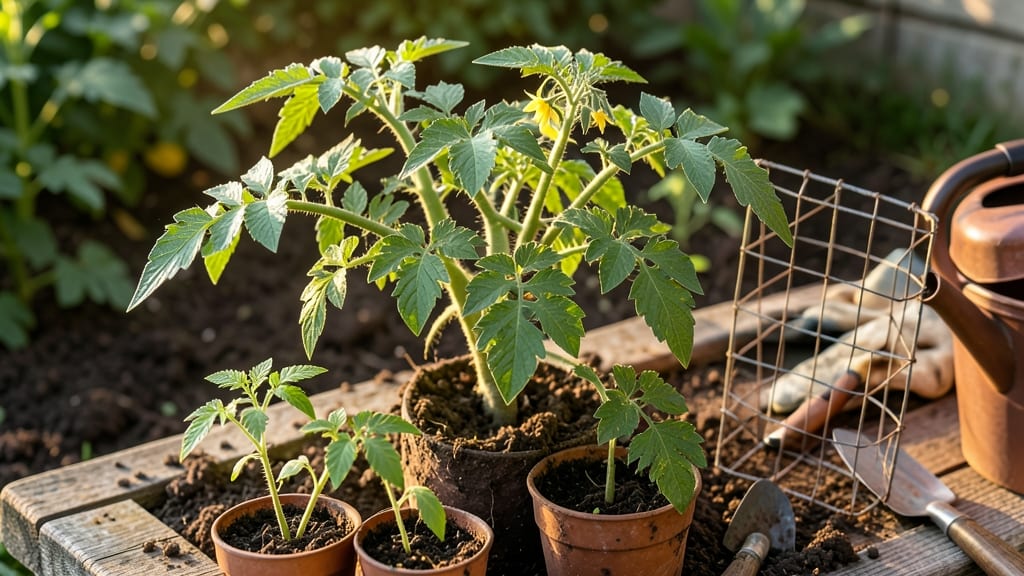
Planting tomato plants at the best time of day—early morning—sets the stage for a thriving harvest 🍅.
Struggling to decide when to plant your tomato seedlings? The time of day you choose can make the difference between thriving plants and struggling vines—morning sunlight isn’t just ideal, it’s essential for root development and long-term success.
Why does timing matter so much? Hot midday sun stresses young roots, while evening planting leaves them vulnerable to pests and poor establishment. Morning planting gives your tomatoes the gentle, consistent light they need to grow strong from day one.
Below, I’ll break down the science behind morning planting, how to adjust for your climate, and the simple steps to ensure your tomato plants take off—without the guesswork.


Why morning planting maximizes tomato plant success
Planting your tomato seedlings in the morning isn’t just a gardening tradition—it’s a science-backed strategy for stronger roots and faster growth. When you transplant between 6 AM and 9 AM, you give young plants the best chance to establish themselves before the day’s heat and stress set in.
This window aligns perfectly with cooler soil temperatures and higher humidity, both critical for reducing transplant shock.
The key lies in how morning conditions support root development. Cooler morning air and soil temperatures minimize stress on delicate roots, while gentle morning sunlight provides just enough energy for photosynthesis without overwhelming the plant.
This balance helps seedlings focus energy on establishing their root systems rather than fighting heat stress or drought.
🌱 Soil temperature is another critical factor. Morning planting ensures soil is still cool—typically between 60°F and 70°F (15°C-21°C)—which is ideal for root growth. Warmer soil speeds up metabolic processes, but too much heat can cause roots to dry out or even cook, leading to stunted growth.
Morning planting keeps soil conditions perfect for root expansion.
Moisture retention also plays a huge role. Morning air is often more humid, which helps newly planted seedlings retain moisture longer. When you plant in the morning, the soil stays damp for hours, giving roots time to absorb water before the sun evaporates it.
This is especially important in hot or dry climates, where afternoon heat can quickly dry out soil and stress young plants.
Here’s how morning planting directly impacts your tomato plants’ success:
| Factor | Morning Planting Benefit | Scientific Explanation |
|---|---|---|
| Soil Temperature | Cooler soil (60°F-70°F) | Reduces root stress and promotes cell expansion. |
| Moisture Retention | Higher humidity preserves soil moisture | Prevents dehydration and supports early photosynthesis. |
| Photosynthesis Efficiency | Gentle sunlight boosts energy production | Avoids midday heat stress while maximizing light absorption. |
| Transplant Shock Reduction | Lower stress from temperature fluctuations | Cooler temps reduce wilting and leaf scorch. |
| Pest & Disease Risk | Lower evening pest activity | Reduces exposure to nocturnal insects and fungal spores. |
One of the biggest advantages of morning planting is how it boosts photosynthesis efficiency. While seedlings don’t need intense sunlight right after transplanting, the gentle morning light is enough to kickstart energy production.
This early energy helps repair any stress from the transplanting process and fuels root growth. By mid-morning, your seedlings are already building resilience, making them far more capable of handling the afternoon heat.
In hot climates, morning planting is even more critical. The combination of high temperatures and intense sunlight can cause seedlings to wilt within hours if planted at midday. By planting in the morning, you give your tomatoes a full day to acclimate to their new environment.
Over time, this leads to 30-50% stronger root systems compared to seedlings planted in the afternoon or evening.
Even in cooler regions, morning planting offers benefits. The 6-9 AM window ensures that seedlings aren’t exposed to rapid temperature swings, which can cause stress.
For example, if you plant in the evening, the sudden drop in temperature overnight can shock the roots, while morning planting allows for a gradual adjustment. This consistency is key to avoiding transplant shock, a common issue that stunts growth and reduces yield.
💧 Another often-overlooked benefit is how morning planting aligns with natural watering cycles. If you water your seedlings in the morning before planting, the soil stays moist for hours, giving roots ample time to absorb water.
This is particularly important for tomatoes, which need consistent moisture to develop strong roots and produce fruit. Planting in the morning ensures that water isn’t lost to evaporation before the roots can use it.
For gardeners in humid climates, morning planting also reduces the risk of fungal diseases. Evening planting can leave plants sitting in damp conditions overnight, creating the perfect environment for diseases like early blight or powdery mildew.
Morning planting minimizes this risk by allowing foliage to dry out during the day, keeping your plants healthier from the start.
In summary, morning planting isn’t just about convenience—it’s a strategic approach to giving your tomato plants the best possible start. By leveraging cooler temperatures, higher humidity, and gentle sunlight, you’re setting the stage for faster root establishment, reduced transplant shock, and ultimately, a more productive harvest.
The effort to plant in the morning pays off in stronger, healthier plants that thrive from day one. ☀️
Step-by-step morning planting process for tomatoes
Planting your tomato seedlings in the morning gives them a head start by avoiding the stress of midday heat and evening pests. The ideal window is between 6-9 AM, when temperatures are cooler and moisture levels are higher—perfect conditions for root establishment and transplant shock reduction.
If you’re in a hot climate, aim for even earlier, like 5-7 AM, to prevent wilting before roots can settle.
Before you begin, gather your tools: a trowel, watering can, compost, and a soil thermometer to confirm the soil is at least 60°F (15°C). Tomato roots struggle in cold soil, so wait for warmer days after the last frost.
If your seedlings look wilted, give them a 10-minute soak in water before planting to revive their roots and reduce stress.
🌱 Step-by-Step Morning Planting Process
- Step 1: Prep the soil by loosening it to a depth of 12 inches with a fork. Mix in 2-3 inches of compost to improve drainage and fertility. Test the soil pH—tomatoes thrive in 6.0-6.8 range.
- Step 2: Dig holes twice as wide as the seedling’s root ball but only slightly deeper than the container. This prevents burying the stem, which can cause rot. Space holes 18-24 inches apart for determinate varieties or 24-36 inches for indeterminate types.
- Step 3: Remove seedlings gently from their containers, loosening roots if they’re circling. Place each seedling in its hole, ensuring the top of the root ball sits 1 inch below soil level. This encourages stronger stem growth.
- Step 4: Backfill the hole with soil, pressing lightly to remove air pockets. Water deeply to settle the roots and eliminate gaps. Use about 1 gallon of water per plant to ensure thorough hydration.
- Step 5: Apply mulch around the base (not touching the stem) using straw or shredded leaves. This retains moisture, suppresses weeds, and keeps roots cool. Aim for a 2-3 inch layer for best results.
- Step 6: Water again in the evening if your morning was dry, but avoid overwatering. Tomato plants need consistent moisture, but soggy soil invites disease. Stick your finger 1 inch into the soil—if it’s dry, water lightly.
Pro Tip: If planting on a cloudy day, proceed as usual, but monitor soil moisture closely—cloud cover can delay evaporation, leading to waterlogged roots. In hot climates, plant in partial shade (e.g., under a temporary shade cloth) until roots establish.
After planting, keep an eye on your tomatoes for the first 3-5 days. Signs of stress like yellowing leaves or drooping stems may indicate transplant shock.
If this happens, provide daily shade during peak afternoon sun and water at the base of the plant (not the leaves) to avoid fungal issues.
Morning planting isn’t just about timing—it’s about setting your tomatoes up for lifelong success. By following these steps, you’ll give your plants the best chance to grow strong roots, resist pests, and produce a bountiful harvest.
Just imagine those juicy, sun-ripened tomatoes later in the season—all thanks to a perfect start! 🍅