
How To
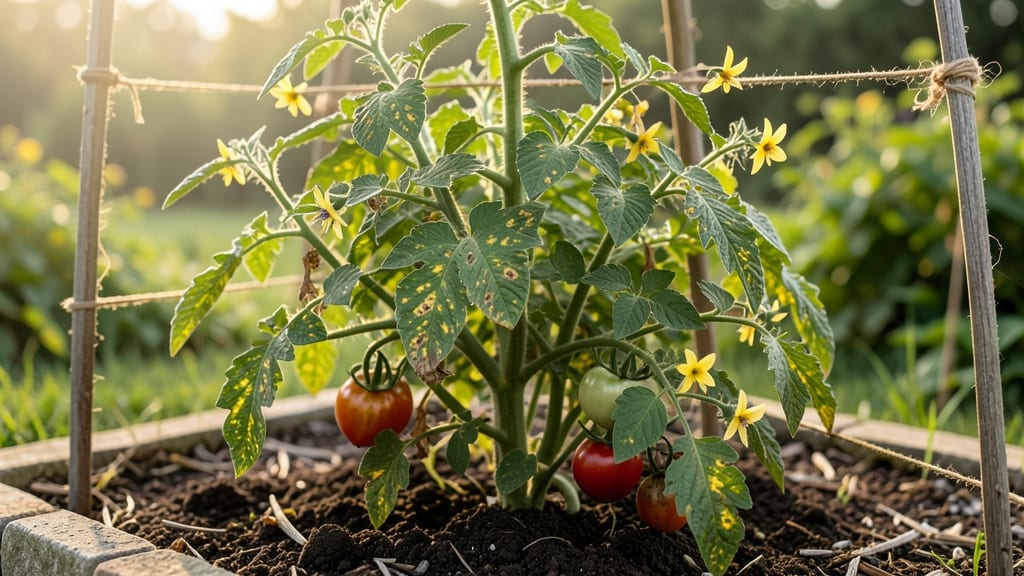
Yellow spotted tomato leaves mean your plants are screaming for help—usually from fungus, pests, or too much water. 🌱 I’ve saved dozens of tomato plants from this exact problem by acting fast, and the fix is simpler than you’d think.
The spots could signal early blight, septoria leaf spot, or even spider mites, but the good news? You can turn things around in 3 straightforward steps without harsh chemicals.
The first step is identifying the culprit: fungal spots often start at the edges and spread inward, while mites leave tiny webs and speckled damage. Overwatering causes yellowing between veins, but the spots themselves are usually a sign of disease.
Grab a magnifying glass (or just your phone’s camera) to check for clues—this tells you exactly what to treat. Most gardeners I know panic here, but staying calm makes all the difference.
Once you know the cause, you’ll prune the worst spots immediately, apply a copper fungicide (for fungal issues) or neem oil (for pests), and adjust your watering. Within 7-10 days, new growth will push out, and those yellow patches will fade.
The key is acting before the disease spreads to the fruit—trust me, your tomatoes will thank you.
This method works for both container gardens and in-ground beds, and it’s foolproof once you’ve done it once. Even if your plants look rough now, they’ll bounce back stronger than ever. Let’s get those leaves looking green again—your harvest depends on it.
Why it happens
When your tomato plants start showing yellow spots on leaves, it’s usually a sign that something’s gone wrong beneath the surface. These issues can stem from environmental stress, pests, or even hidden infections.
Understanding the root cause is the first step to saving your plants—and your harvest! Let’s break down the most common culprits behind those unsightly yellow patches.
🌡️ Overwatering or Poor Drainage
Tomatoes thrive in well-draining soil, but when roots sit in soggy conditions, they struggle to absorb oxygen and nutrients. This leads to waterlogged stress, causing leaves to develop yellow spots, often paired with wilting or mushy stems.
Overwatering also creates the perfect breeding ground for fungal diseases like early blight, which manifests as concentric yellow rings on leaves.
Why it happens: Excess moisture disrupts cellular respiration in roots, triggering nutrient deficiencies (especially nitrogen and potassium) that show up as interveinal chlorosis (yellowing between leaf veins).
Actionable clue: Check the soil 1–2 inches down—if it’s damp, scale back watering. Ensure pots have drainage holes or raised beds prevent pooling.
☀️ Sunburn or Heat Stress
While tomatoes love sunlight, intense midday rays—especially in hot climates—can scorch leaves, leaving behind crispy, yellow-edged spots. This is common on variegated or hairy leaves, which trap heat. Heat stress also weakens plants, making them more susceptible to secondary infections.
Why it happens: High temperatures (>90°F/32°C) cause oxidative damage to chlorophyll, breaking down pigments faster than the plant can replace them. Young leaves are most vulnerable.
Actionable clue: Provide afternoon shade (use shade cloth or dappled light) during heatwaves. Mulch with straw to keep roots cool.
🐛 Pests: Aphids, Spider Mites, or Whiteflies
Tiny sap-sucking pests like aphids or spider mites inject toxins into leaves, causing yellow stippling or speckling. Their feeding disrupts the plant’s vascular system, leading to chlorotic spots that spread rapidly. Whiteflies excrete honeydew, which fosters sooty mold—a black fungal layer that blocks sunlight and accelerates yellowing.
Why it happens: Pests pierce leaf cells, releasing salivary enzymes that break down chlorophyll. The plant’s immune response triggers localized cell death (necrosis), creating the spotted pattern.
Actionable clue: Inspect undersides of leaves for pests. Blast them off with water or use neem oil (1 tsp per quart of water, spray at dusk). Introduce predator insects like ladybugs for organic control.
🍄 Fungal or Bacterial Infections
Diseases like early blight (Alternaria solani), septoria leaf spot, or bacterial spot (Xanthomonas perforans) thrive in humid conditions, creating yellow-to-brown spots with distinct borders. Fungal spots often have target-like rings, while bacterial spots may ooze pus-like fluid.
Why it happens: Pathogens enter through leaf wounds (e.g., from hail or pruning) or via contaminated water. Fungi spread via spores, while bacteria hitchhike on tools or wind. Warm, wet nights (70–85°F/21–29°C) accelerate outbreaks.
Actionable clue: Remove infected leaves immediately and dispose of them in the trash (not compost). Space plants for airflow and water at soil level to keep foliage dry.
🌱 Nutrient Deficiencies or Toxicities
Yellow spots can signal magnesium deficiency (interveinal chlorosis) or potassium deficiency (edge browning/yellowing). Over-fertilizing with nitrogen (without balancing micronutrients) also causes physiological leaf burn, where cells burst from excess salts, leaving yellow-brown patches.
Why it happens: Magnesium is mobile in plants, so deficiency starts in older leaves. Potassium, however, is needed for cell membrane stability—without it, leaves lose turgor and develop necrotic spots. Soil pH imbalances (too acidic/alkaline) lock out nutrients like iron or manganese, mimicking deficiency symptoms.
Actionable clue: Test soil pH (ideal: 6.0–6.8). Apply Epsom salt (1 tbsp per gallon of water) for magnesium or a balanced fertilizer (10-10-10) for potassium. Flush soil with water if salt buildup is suspected.
Fix Yellowing Tomato Leaves Fast
Yellow or spotted tomato leaves can be frustrating, but the good news is that most issues have straightforward fixes. Below, we’ve mapped out practical solutions for the most common causes—plus prevention tips to keep your plants thriving. Let’s get your tomatoes back on track!
The faster you address the problem, the easier it is to reverse. Check your plants weekly for:
- Yellowing edges (nutrient deficiency or overwatering)
- Brown spots (fungal infection or sunscald)
- Curling or wilting (pests or stress)
- Powdery residue (mildew or mites)
If you spot these signs early, you can often save your plant with minimal effort.
💧 Overwatering or poor drainage
Signs: Yellowing leaves (especially lower ones), soggy soil, wilting despite water. Why it happens: Too much moisture suffocates roots, leading to rot and nutrient starvation.
How to Fix It: ✅ 🔥 Stop Watering Immediately – Let the top 1–2 inches of soil dry out before watering again. ✅ 👨🍳 Improve Drainage – Mix compost or perlite into heavy soil, or repot in a container with drainage holes. ✅ ⏰ Adjust Your Schedule – Water deeply but less frequently (e.g., 2–3 times per week instead of daily). ✅ 🌡️ Check Humidity – If your garden is damp, water in the early morning to reduce evaporation.
💡 Prevention Tip: Use a moisture meter or the "finger test"—stick your finger 1 inch into the soil. If it’s damp, wait before watering.
☀️ Sunscald or heat stress
Signs: Crispy, yellow-brown edges (often on leaves exposed to direct sun), wilting in afternoon heat. Why it happens: Sudden heat or intense sunlight burns tender leaves.
How to Fix It: ✅ 🍳 Provide Shade – Use shade cloth (30–50%) or move potted tomatoes to a spot with morning sun + afternoon shade. ✅ 🥘 Mulch Heavily – Apply 2–3 inches of straw or wood chips to keep roots cool. ✅ 💦 Water Deeply in Heat – Water early in the morning (not at night) to reduce evaporation. ✅ ✨ Avoid Fertilizer Burns – If you’ve recently fertilized, flush the soil with water to prevent salt buildup.
💡 Prevention Tip: If planting in hot climates, choose heat-tolerant varieties like ‘Solar Fire’ or ‘Heatmaster.’
🍄 Fungal issues (early blight, late blight, OR powdery mildew)
Signs: Yellow spots with concentric rings (early blight), white powdery coating (mildew), or dark, greasy lesions (late blight).
How to Fix It: ✅ 🔪 Prune Infected Leaves – Remove all yellow/spotted leaves and destroy them (don’t compost!). Use sterilized pruners. ✅ 🌡️ Improve Airflow – Space plants 18–24 inches apart and stake tomatoes to prevent humidity buildup. ✅ 🎯 Apply Fungicide – Use copper fungicide (for early/late blight) or neem oil (for mildew). Spray every 7–10 days until new growth is healthy. ✅ 💡 Prevention Tip: Rotate crops yearly and sanitize tools with rubbing alcohol to prevent reinfection.
🐜 Pests (aphids, spider mites, OR whiteflies)
Signs: Tiny yellow stipples (mites), sticky residue (aphids), or webby strands (spider mites).
How to Fix It: ✅ 🔥 Blast Off Pests – Spray plants with a strong stream of water to dislodge insects. ✅ 🍳 Use Insecticidal Soap – Mix 1 tbsp mild soap + 1 quart water, spray undersides of leaves. ✅ 🥘 Introduce Beneficial Insects – Ladybugs or lacewings eat aphids naturally. ✅ 🌿 Try Diatomaceous Earth – Sprinkle food-grade DE around the base (reapply after rain).
💡 Prevention Tip: Inspect new plants before bringing them home—quarantine for a week if possible.
🌿 Nutrient deficiency (nitrogen, magnesium, OR potassium)
Signs:
- Pale yellow leaves (nitrogen deficiency)
- Yellow between veins (magnesium, often called "chlorosis")
- Brown edges (potassium deficiency)
How to Fix It: ✅ 🍳 Test Your Soil – Use a DIY soil test kit (available at garden centers) to identify deficiencies. ✅ 🥘 Fix with Fertilizer:
- Nitrogen: Use fish emulsion or compost tea.
- Magnesium: Sprinkle Epsom salt (1 tbsp/gallon water) every 2 weeks.
- Potassium: Apply banana peel tea or a balanced fertilizer (10-10-10).
✅ 💦 Water Deeply After Fertilizing – Prevents root burn.
💡 Prevention Tip: Feed tomatoes every 2–3 weeks with a balanced fertilizer (like 5-5-5) to avoid deficiencies.
⚡ Transplant shock or root damage
Signs: Sudden yellowing within days of repotting, stunted growth, drooping.
How to Fix It: ✅ 🌱 Give It Time – Most plants recover in 1–2 weeks if roots aren’t severely damaged. ✅ 💦 Water Gently – Avoid overwatering; keep soil moist but not soggy. ✅ 🍄 Check for Root Rot – If roots are mushy, trim healthy roots and repot in fresh soil. ✅ 🎯 Use Root Stimulator – Add mycorrhizal fungi or hydroponic nutrient solution to speed recovery.
💡 Prevention Tip: When repotting, handle roots gently and avoid disturbing the root ball too much.
To keep your tomato leaves green and healthy, follow these proactive steps:
- ✅ Rotate crops – Don’t plant tomatoes in the same spot yearly.
- ✅ Use raised beds – Improves drainage and reduces soil-borne diseases.
- ✅ Monitor weather – Protect plants from sudden temperature drops (below 50°F) or scorching heat.
- ✅ Prune regularly – Remove lower leaves to improve airflow and prevent fungal spread.
- ✅ Keep tools clean – Wipe pruners with rubbing alcohol between uses.
Final Thought: Most yellow-spotted tomato leaves respond quickly to the right care—often within a few days to a week. The key is acting fast, identifying the root cause, and adjusting your routine.
With these fixes, your plants will be back to producing juicy, healthy tomatoes in no time! 🍅✨
Frequently asked questions
Why do my tomato leaves have yellow spots but no other obvious symptoms?
This often signals early-stage nutrient deficiencies (like magnesium or potassium) or fungal infections before they spread. Check the pattern: yellowing between veins suggests magnesium deficiency, while small brown spots with yellow halos could indicate early blight. Act fast—prune affected leaves and test your soil or apply Epsom salt for deficiencies.
Can I still harvest tomatoes if the leaves have yellow spots?
Yes, but only if the spots are on older leaves and haven’t reached the fruit. Fungal diseases like early blight or bacterial spot can spread to tomatoes, so remove severely infected leaves immediately. Focus on young, healthy leaves—they’ll support your harvest while you treat the plant.
How do I tell if yellow spots are from pests vs. disease?
Pests like spider mites or aphids cause tiny yellow stipples and often leave webs or sticky residue (honeydew). Diseases like early blight create concentric rings or greasy brown spots. Flip leaves—pests hide underneath, while diseases show on both sides. Use a magnifying glass for clarity!
Will neem oil work for yellow spots caused by fungal diseases?
Neem oil is great for preventing fungal spread and treating mildew, but it’s not a cure for established infections like early blight. For severe cases, combine neem oil with copper fungicide and remove infected leaves. Apply in the evening to avoid harming bees and reapply every 7-10 days.
How long does it take to see improvement after treating yellow spots?
With the right treatment, you’ll often see new green growth within 7-14 days. The key is consistency: prune infected leaves, adjust watering, and apply fungicides/insecticides as directed. Older leaves may stay yellow, but new leaves should bounce back quickly if the root cause is addressed.