
Pests and Diseases
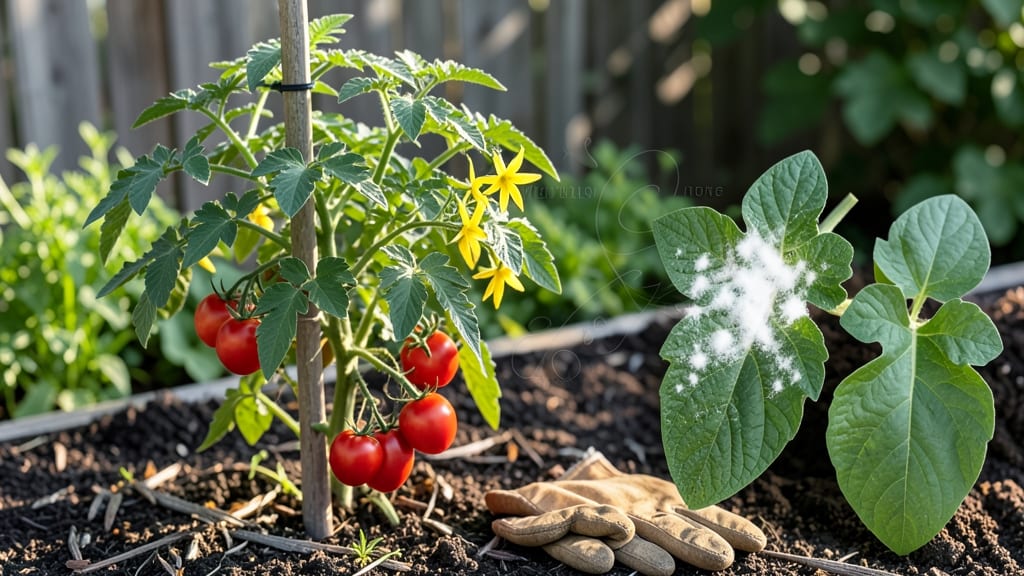
White specks on tomato leaves can turn your thriving plants into a sad, dusty mess in record time. 🌱 I’ve seen this happen to my best heirloom varieties—what looked like flour one day becomes a full-blown infestation if you don’t act fast.
The good news? Most of these specks are either harmless dust or early signs of pests like spider mites or powdery mildew, and they’re all fixable with the right approach.
First, rule out the obvious: dust or calcium buildup often mimics pests but is harmless. Run your finger over a leaf—if it leaves a white streak, you’re dealing with dust. Real trouble starts when those specks multiply, leaving sticky residue (whiteflies) or webbing (spider mites).
My go-to fix? A strong spray of water to dislodge dust, followed by neem oil for organic control or insecticidal soap for stubborn cases.
You’ll know you’ve won when new leaves emerge clean and vibrant, and the specks stop spreading. Prevention is key: keep plants spaced for airflow, water at the base (not overhead), and rotate crops yearly.
For stubborn cases, a single application of horticultural oil can save your harvest—just don’t wait until the specks cover every leaf.
This works for greenhouses, containers, or in-ground gardens. The sooner you act, the sooner you’ll be back to enjoying juicy tomatoes instead of fighting for them. Let’s get those leaves sparkling again!
Root Causes of Leaf Discoloration
Unwanted white specks on your tomato leaves aren’t just a cosmetic issue—they’re often a sign of hidden battles your plants are fighting. Understanding the why behind these specks is the first step to saving your crop.
Below, we break down the most common culprits, their science-backed mechanisms, and what triggers their appearance.
Fungi thrive in moist, warm conditions and often appear as powdery or downy white specks on leaves. Here’s how they take hold:
- Powdery Mildew (Erysiphe cichoracearum or Oidium neolycopersici) - How it spreads: Fungal spores land on leaves and germinate when humidity stays above 70% for prolonged periods.
They create a white, powdery coating that blocks sunlight, weakening photosynthesis. - Trigger factors: - Poor air circulation (crowded plants or dense foliage). - Overhead watering (keeps leaves damp for too long). - Nighttime temperatures between 60–80°F (15–27°C). - Tell-tale sign: Specks start as tiny white dots, then spread into a web-like film on both leaf surfaces.
- Downy Mildew (Phytophthora infestans) - How it spreads: Unlike powdery mildew, this fungus attacks the undersides of leaves, causing fuzzy white or gray patches.
It thrives in cool, wet conditions (ideal for tomato growers in humid climates). - Trigger factors: - Frequent rain or overhead irrigation. - Stagnant water near plant bases. - Temperatures between 50–75°F (10–24°C). - Tell-tale sign: White, cottony growth on leaf undersides, often accompanied by yellowing (chlorosis) on top.
Not all white specks are fungal—some are left behind by sap-sucking pests that excrete waste or lay eggs. Here’s how they disrupt your tomatoes:
- Whiteflies (Bemisia tabaci)
- How they damage: These tiny, winged insects cluster on leaf undersides, sucking sap and excreting sticky honeydew—a white, waxy residue that attracts sooty mold.
- Trigger factors:
- Dry, warm conditions (80–95°F / 27–35°C).
- Over-fertilization with nitrogen (attracts pests).
- Weak or stressed plants (easier targets).
- Tell-tale sign: White, moth-like flies swarming when leaves are shaken, plus sticky residue on leaves.
- Spider Mites (Tetranychus urticae) - How they damage: While mites themselves are red or yellow, their fine webbing and white fecal specks can mimic fungal spots.
They thrive in dry heat and pierce cells, causing silver or white stippling. - Trigger factors: - Low humidity (<40%). - Dusty or drought-stressed leaves. - Lack of predatory insects (like ladybugs). - Tell-tale sign: White, dotted patterns on leaves, often with fine webbing in severe cases.
- Mealybugs (Planococcus citri)
- How they damage: These cotton-like pests hide in leaf crevices, sucking sap and leaving behind white, waxy secretions that look like fluffy specks.
- Trigger factors:
- Warm, sheltered environments (greenhouses or indoor grows).
- Overwatering or poor drainage (weakens plants).
- Tell-tale sign: White, powdery clusters resembling tiny cotton balls, often near leaf veins or stems.
Sometimes, white specks aren’t biological at all—they’re a physical reaction to stress. Here’s how:
- Mineral Deposits from Hard Water
- How it happens: If you’re using tap water high in calcium or magnesium, evaporation leaves behind white, crusty residues on leaves.
- Trigger factors:
- Overhead irrigation with hard water.
- Poor water quality (test with a TDS meter—aim for <500 ppm).
- Tell-tale sign: Chalky, uneven specks that don’t spread and are more common on older leaves.
- Salt Buildup from Fertilizer Burn
- How it happens: Over-fertilizing—especially with synthetic salts—can cause osmotic stress, leading to white, necrotic (dead) spots on leaf edges.
- Trigger factors:
- Applying fertilizer when soil is dry.
- Using too much nitrogen or potassium.
- Tell-tale sign: White, crispy edges paired with yellowing between veins.
- Hail or Physical Damage
- How it happens: Small hailstones or debris can create white, bruised spots where cells rupture.
- Trigger factors:
- Storms or windy conditions.
- Rough handling during transplanting.
- Tell-tale sign: Irregular white patches with no fungal growth or pest activity.
| Cause | Location | Appearance | Other Clues |
|---|---|---|---|
| Powdery Mildew | Both sides | White, powdery coating | Spreads in humid, shady areas |
| Downy Mildew | Undersides | Fuzzy white/gray | Yellowing on top, thrives in wet weather |
| Whiteflies | Undersides | Sticky honeydew + tiny white flies | Swarm when disturbed |
| Spider Mites | Both sides | Fine webbing + white stippling | Leaves look dusty or bronzed |
| Mealybugs | Leaf crevices/stems | Cottony white clusters | Sticky residue attracts ants |
| Mineral Deposits | Random (older leaves) | Chalky, uneven | More common with hard water |
| Fertilizer Burn | Leaf edges | White, crispy | Paired with yellowing |
Pro Tip: 💡 Magnify and inspect—use a hand lens or phone microscope to check for:
- Thread-like structures (fungal hyphae).
- Moving pests (whiteflies or mites).
- Sticky residue (honeydew from sap-suckers).
Quick Fixes for Tomato Leaf Issues
Once you’ve identified the cause of those pesky white specks on your tomato leaves—whether it’s fungal spores, insect eggs, or environmental stress—it’s time to act! Here’s a practical, step-by-step guide to restoring your plants to full, healthy glory.
Prevention tips are woven in so you can keep your tomatoes thriving long-term.
If your tomato leaves are dusted with white, powdery patches (like flour), you’re likely dealing with powdery mildew or white mold. These fungi thrive in humid, shaded conditions and can weaken your plants if left unchecked.
🔥 Step 1: Remove Infected Leaves
- 🍳 Snip off severely affected leaves with clean pruning shears.
- 👨🍳 Dispose of them in the trash (not the compost)—fungal spores can survive and reinfect.
- 💡 Pro Tip: Focus on lower leaves first, as they’re most vulnerable to moisture buildup.
🥘 Step 2: Apply Fungicidal Sprays
Mix one of these effective, garden-safe solutions and spray both sides of leaves (especially undersides where spores hide):
| Solution | How to Use |
|---|---|
| Baking Soda Spray | 1 tsp baking soda + 1 quart water + a few drops of dish soap (as a surfactant). Spray every 7–10 days. |
| Neem Oil | 1 tbsp neem oil + 1 tsp mild soap + 1 quart water. Shake well before spraying. Apply at dusk to avoid burning leaves. |
| Copper Fungicide | Follow label instructions (e.g., Bonide Copper Fungicide). Reapply after rain. |
⏰ Step 3: Improve Airflow & Light
- 🌡️ Space plants at least 18–24 inches apart to reduce humidity.
- ✨ Prune nearby foliage blocking sunlight—tomatoes need 6+ hours of direct sun daily.
- 🎯 Water at the base (not overhead) to keep leaves dry.
🔥 Prevention for Next Season
- ✅ Choose resistant varieties like ‘Mountain Merit’ or ‘Defiant PhR’ (powdery mildew-resistant).
- 🌱 Rotate crops—don’t plant tomatoes in the same spot yearly.
- 💡 Start with healthy seedlings from reputable nurseries.
Tiny white specks that move or flutter when you disturb the leaves? You’ve got sap-sucking pests like aphids, whiteflies, or spider mites. These critters weaken plants by draining nutrients and spreading viruses.
🔪 Step 1: Blast Them Off
- 🍳 Use a strong spray of water (from a hose) to knock them off leaves.
- 👨🍳 Repeat every 2–3 days until populations drop.
🥘 Step 2: Introduce Natural Predators
- 🐞 Ladybugs, lacewings, or parasitic wasps love munching on these pests. Buy them from garden centers or attract them with dill, fennel, or marigolds.
- 💡 Pro Tip: Release predators early in the morning or late evening to avoid heat stress.
🌡️ Step 3: Apply Insecticidal Soap or Oil
- 📊 Insecticidal soap (like Safer Brand): Mix as directed and spray directly on pests (avoid hot sun to prevent leaf burn).
- 🔥 Horticultural oil (e.g., Neem oil): Works well for whiteflies and spider mites.
Apply when temps are below 90°F.
🎯 Long-Term Prevention
- 🌱 Use reflective mulch (like aluminum foil) to disorient whiteflies.
- 💡 Inspect new plants before bringing them home—quarantine for a week if possible.
- 🌿 Plant companion flowers (e.g., nasturtiums) to distract pests from tomatoes.
If the white specks are crusty, chalky, or flaky (not fuzzy or moving), your plants might be suffering from mineral deposits, salt burn, or hail damage.
🔥 Step 1: Flush the Soil
- 🍳 Water deeply for 10–15 minutes to leach out excess salts or minerals.
- 👨🍳 Repeat weekly until new growth looks healthier.
🥘 Step 2: Adjust Watering Practices
- ✨ Use rainwater or filtered water if your tap water is high in chlorine/salts.
- 🎯 Avoid wetting leaves—water at the base to prevent mineral buildup.
⏰ Step 3: Protect from Hail & Wind
- 🌡️ Cover young plants with frost cloth during storms.
- 💡 Stake or cage tomatoes to prevent wind damage.
🔥 Prevention Tips
- 📊 Test your soil (pH and mineral levels) before planting.
- 🌱 Mulch with straw or wood chips to reduce evaporation and salt crusting.
💡 Final Reminder: Act fast—the sooner you treat the issue, the quicker your tomatoes will bounce back! With these fixes, your plants should be speck-free and thriving in no time. 🍅✨
Frequently asked questions about white specks on tomato leaves
Are white specks on tomato leaves always harmful?
Not always! If the specks are simply dust or mineral deposits from hard water, they’re harmless. Test by rubbing your finger across a leaf—if it leaves a white streak, it’s likely dust. However, if the specks spread, create webbing, or attract pests, they’re probably fungal or insect-related and need treatment.
How do I tell if white specks are spider mites vs. powdery mildew?
Use a magnifying glass or phone microscope! Spider mites leave fine webbing and white stippling (tiny dots), while powdery mildew appears as a fluffy, white coating on both leaf surfaces. Shake the plant—if tiny white flies swarm, it’s likely whiteflies, not mildew.
Can I still eat tomatoes if the leaves have white specks?
It depends! If the specks are from pests like whiteflies or spider mites, the fruit may still be safe to eat (just wash thoroughly). However, if the issue is fungal (like powdery mildew) or chemical (fertilizer burn), the plant’s health is compromised, and fruit quality may suffer. Always prioritize treating the leaves first.
Why does my tomato plant keep getting white specks even after treatment?
Persistent specks often mean the root cause isn’t fixed. Check for these common mistakes:
- Poor airflow (crowded plants or dense foliage).
- Overhead watering (keeps leaves wet too long).
- Weakened plants (from over/under-watering or poor soil). Try spacing plants 18–24 inches apart, watering at the base, and using neem oil preventatively every 2 weeks.
Is neem oil safe to use on tomato plants?
Yes! Neem oil is organic, non-toxic, and effective against fungi, mites, and whiteflies. Just dilute it properly (1 tbsp neem oil + 1 tsp soap per quart of water) and apply at dusk to avoid leaf burn. Avoid spraying when tomatoes are flowering or fruiting to protect pollinators.