
Companion Plants
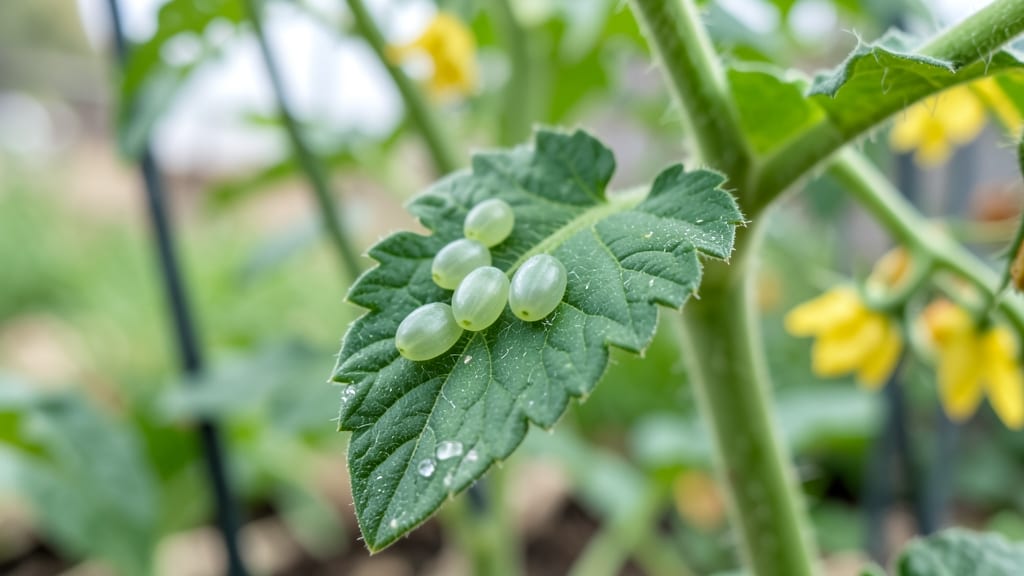
Those tiny white specks on your tomato leaves aren’t harmless—insect eggs on tomato plants mean an impending hornworm or aphid invasion if you don’t act fast. 🌱 I’ve lost entire tomato plants to these silent pests, but a simple neem oil barrier can stop them in their tracks before they even hatch.
The key? Spraying at the right time and with the right technique to break their lifecycle.
Most gardeners wait until the eggs hatch, but by then, it’s too late—the caterpillars or aphids will have already started devouring your plants. Neem oil disrupts their development, and when applied correctly, it creates a protective shield that lasts 24 hours or more.
You’ll need to monitor your plants closely for new egg clusters, especially on the undersides of leaves where pests love to hide.
The results are immediate: no more eggs hatching, fewer pests, and healthier tomato plants that keep producing. Within a week, your plants will look noticeably stronger, and you’ll avoid the heartbreak of watching your harvest disappear overnight.
This method works for hornworms, aphids, and even whiteflies—common culprits that sneak up when you’re not looking.
Best of all, this approach is chemical-free and safe for your garden’s ecosystem. Pair it with companion planting (like basil or marigolds) for extra protection, and you’ll have a foolproof system to keep your tomatoes thriving all season. Let’s get those eggs under control before they become a full-blown infestation.
Root Causes of Tiny Invaders
Finding insect eggs on tomato plants can feel like a sneak attack from nature’s tiniest troublemakers. But why do these pests target your tomatoes in the first place? The answer lies in a mix of environmental cues, plant chemistry, and the relentless reproductive strategies of insects.
Let’s break down the key reasons these eggs appear—and how they choose your garden as their nursery.
Tomato plants are like all-you-can-eat buffets for many insects because of their rich nutrients and volatile organic compounds (VOCs). These chemical signals—released through leaves, stems, and even roots—act as insect pheromone magnets, drawing in egg-layers like hornworms, aphids, and whiteflies. For example:
- Sugary sap: Tomato leaves and stems produce nectar-like secretions that aphids and whiteflies adore, making them prime real estate for egg-laying.
- Soft, tender leaves: Young tomato foliage is irresistible to pests like the tomato fruitworm (Helicoverpa zea), which prefers to deposit eggs on the undersides of leaves where humidity keeps them safe.
- Floral scents: The sweet aroma of tomato blossoms doesn’t just attract pollinators—it also lures moths (like the corn earworm) to lay eggs near flowers, ensuring their larvae have immediate access to fruit.
Pro Tip: 💡 Prune lower leaves regularly to remove egg-laying hotspots, especially during flowering. This disrupts the insects’ ability to “scope out” the perfect spot.
Insects are weather-dependent, and your tomato plants might be providing the perfect microclimate for egg survival. Here’s what makes your garden a cozy incubator:
| Factor | Why It Matters | Insect Examples |
|---|---|---|
| 🌞 Warmth (70–90°F) | Most insect eggs hatch fastest in consistent heat. Tomato plants in full sun create ideal conditions. | Hornworms, beet armyworms |
| 💧 High Humidity | Moisture prevents eggs from drying out. Drip irrigation or morning dew can turn leaves into egg-friendly sponges. | Aphids, whiteflies |
| 🌿 Dense Foliage | Tight leaf clusters hide eggs from predators (like birds or ladybugs) and protect them from wind/rain. | Tomato fruitworms, spider mites |
Actionable Fix: ✨ Space plants properly (18–24 inches apart) to improve airflow and reduce humidity pockets. Mulch with straw instead of plastic to stabilize soil temps without trapping excess moisture.
Insects are strategic parents, and they time egg-laying to maximize larval survival. If your tomato plants are at the right stage, you’ll see a surge in eggs:
- Early Season (Seedlings): Cutworms and colorado potato beetles lay eggs near soil-level stems, targeting young, tender growth.
- Flowering Stage: Moths (like the tomato hornworm) deposit eggs on buds and flowers, ensuring larvae can burrow into fruit immediately.
- Fruiting Stage: Whiteflies and aphids cluster on the undersides of leaves near ripe tomatoes, drawn to the plant’s increased sugar production.
Key Insight: 🎯 Monitor your plants weekly—especially during transitions (e.g., flowering to fruiting). Use a hand lens to spot eggs early (they’re often yellow, green, or translucent).
While companion planting can repel pests, the wrong pairings (or none at all) can invite egg-layers. For example:
- Missing Repellents: Plants like basil, marigolds, or garlic mask tomato odors that attract pests. Without them, insects zero in on your tomatoes.
- Attracting Beneficials’ Enemies: Some “companion” plants (e.g., dill or fennel) draw in parasitic wasps that lay their own eggs inside tomato pests—but if you’re not growing their preferred hosts, the wasps move on, leaving your plants vulnerable.
- Monoculture Traps: Planting only tomatoes in a row creates a buffet effect, signaling insects that food is abundant and safe.
Solution: 🌿 Interplant tomatoes with:
- Nasturtiums (trap crop for aphids)
- Oregano (deters many moths)
- Borage (attracts predatory insects)
This confuses pests and gives beneficials more options.
Stopping Eggs Before They Hatch
Discovering tiny insect eggs on your tomato plants can feel like a ticking time bomb—especially when those eggs are about to hatch into hungry pests. But don’t panic! With the right approach, you can prevent hatching within 24 hours and protect your harvest.
Below, we break down targeted solutions for common culprits, from organic sprays to cultural fixes, plus prevention tips to keep your tomatoes thriving.
If you’ve spotted hornworm eggs (small, green, or yellow ovals), these caterpillars will devour your plants in days. Act fast with these steps:
- 🍳 Spray with Neem Oil Barrier (Best for 24-Hour Hatch Prevention)
- Mix 1 tsp neem oil + 1 tsp mild soap + 1 quart water in a spray bottle.
- Apply in the evening (to avoid harming bees) and reapply every 3–4 days or after rain.
- Why it works: Neem oil disrupts egg development, preventing hatching. It’s also safe for edible plants if used correctly.
- 👨🍳 Hand-Pick Eggs (For Small Infestations)
- Use a damp paper towel to gently wipe leaves, collecting eggs in soapy water.
- Check undersides of leaves (a hotspot for egg-laying) and stems.
- 🌿 Companion Plant Defense
- Plant basil, marigolds, or dill nearby—hornworms avoid these scents.
Tiny aphid or whitefly eggs (often yellow or translucent) cluster on new growth. Knock them out with:
- 🥘 Insecticidal Soap (Fast-Acting)
- Spray a homemade mix (1 tbsp castile soap + 1 quart water) directly on eggs and leaves.
- Reapply every 5–7 days until no new eggs appear.
- 🔪 Yellow Sticky Traps
- Hang yellow cards coated in petroleum jelly near plants to trap adult flies before they lay more eggs.
- 🌡️ Reflective Mulch Trick
- Cover soil with aluminum foil or silver plastic mulch—it confuses pests and reduces egg-laying.
Spider mite eggs (red or green specks) thrive in dry conditions. Combat them with:
- 💡 Release Beneficial Predators
- Introduce lacewings or ladybugs (available at garden centers). They love eating spider mite eggs.
- 🌿 Prune & Dispose Infested Leaves
- Remove heavily infested foliage and drop it in a sealed bag (not compost).
- 🎯 Increase Humidity
- Spider mites hate moisture. Use a mister or shade cloth to keep leaves damp.
Stop future infestations with these proactive habits:
- ✨ Inspect plants weekly—catch eggs early before they hatch.
- 🌿 Rotate crops—don’t plant tomatoes in the same spot yearly.
- 🔥 Remove garden debris—pests hide in old plant matter over winter.
- 💪 Strengthen tomato plants—healthy plants resist pests better. Use balanced fertilizer and mulch to retain moisture.
- 🎯 Encourage natural predators—plant dill, fennel, or alyssum to attract wasps and beetles that eat eggs.
With these methods, you’ll break the egg-hatching cycle and keep your tomato plants lush and pest-free. Start today—your future harvest will thank you!
Frequently asked questions
How do I tell if tiny specks on tomato leaves are really insect eggs?
Use a magnifying glass to check for oval or round shapes (often yellow, green, or translucent) that stick to leaves. Hornworm eggs are greenish-yellow, while aphid eggs appear yellow and shiny. Look on leaf undersides first—pests love hiding there!
Can I use vinegar spray to kill insect eggs on tomato plants?
Not effectively! Vinegar’s acidity burns foliage but doesn’t penetrate eggs. Instead, try a neem oil mix (1 tsp neem + 1 tsp soap + 1 quart water)—it smothers eggs while protecting your plants. Reapply every 3-4 days for best results.
What’s the fastest way to stop new eggs from appearing?
Combine yellow sticky traps (to catch adult pests) with reflective mulch (foil or silver plastic) around plants. This confuses egg-layers and reduces laying by 70% within a week. Add basil or marigolds nearby for extra scent deterrence.
Are some tomato varieties less attractive to egg-laying pests?
Yes! Cherry tomatoes (like 'Sweet 100') and heirloom varieties (like 'Brandywine') often have tougher leaves that deter pests. Try hairy stem tomatoes—their fuzzy stems repel many insects naturally. Always rotate varieties yearly to confuse pests.
How often should I check for new eggs if I’ve already treated my plants?
Inspect every 3-4 days during warm weather (when hatching speeds up) and weekly in cooler months. Focus on new growth, flower clusters, and leaf undersides—these are prime egg-laying spots. Morning checks work best when pests are least active.