
Pests
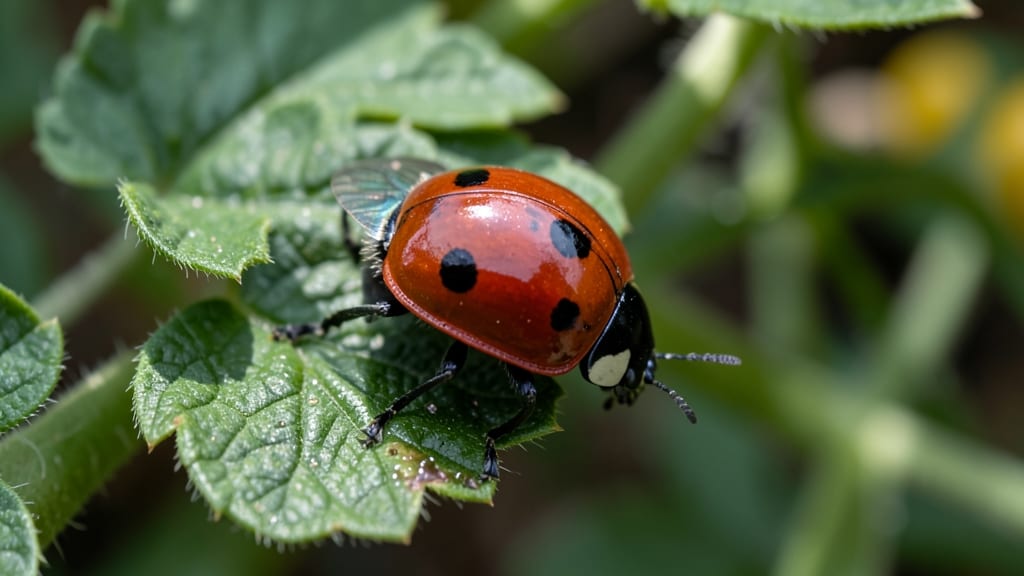
How to get rid of aphids on the tomato plant—sticky leaves and curled new growth mean these sap-sucking pests have moved in. 🌱 These pests can devastate your harvest if you wait too long, but I’ve used neem oil to smother them—and their eggs—before they take over. The key is acting fast with the right mix of natural sprays and preventative tricks. Neem oil isn’t just a spray—it’s a barrier that disrupts aphids’ life cycle while being safe for your plants and pollinators. You’ll need 1 tablespoon of neem oil per quart of water, a drop of dish soap, and a spray bottle. Apply it in the early morning or evening when bees aren’t active, and repeat every 5-7 days until the infestation clears. Within 24 hours, you’ll see aphids falling off, and new growth will stay clean. The real win? This method prevents future outbreaks by smothering eggs before they hatch. No more sticky leaves or wilted stems ruining your tomatoes. For stubborn cases, combine neem oil with soapy water sprays or introduce ladybugs—they’re aphid-eating machines. The goal is to stop the cycle before it starts, so check your plants weekly, especially the undersides of leaves where aphids hide.
Root Causes of Tomato Aphids
Aphids don’t just show up—they’re drawn to your tomato plants by a mix of environmental cues, plant vulnerabilities, and even their own survival instincts. Understanding these triggers is the first step to breaking the cycle. Let’s dig into the why behind these tiny sap-sucking pests.
Aphids thrive where plants are weak, and stressed tomatoes are like an all-you-can-eat buffet for them. Here’s what makes your plants aphid magnets:
- Poor Spacing: When tomato plants grow too close, airflow is restricted, creating a humid microclimate that aphids love.
Stagnant air traps moisture, making leaves sticky and ideal for aphid colonies. - Nutrient Deficiencies: Plants low in phosphorus or potassium (common in overwatered or poorly amended soil) produce softer, more tender leaves—aphid favorite snacks.
Yellowing leaves (a sign of nitrogen deficiency) also attract them because they’re easier to pierce. - Physical Damage: Wounds from pruning, hail, or even wind can release plant sap, which aphids detect from up to 10 feet away using their antennae.
A single cut stem can trigger a rapid aphid invasion within 24 hours.
Pro Tip: 💡 Test your soil’s pH (ideal: 6.0–6.8 for tomatoes). Aphids prefer slightly acidic conditions (pH 5.5–6.5), so adjusting pH can deter them naturally.
Some tomato varieties and growth stages are practically aphid billboards. Aphids are drawn to:
- New Growth: Young, tender shoots and leaves are packed with sugary sap, which aphids crave.
This is why you’ll often see them clustered at the terminal bud (the topmost growth point). - Sweet Scents: Plants under heat stress or drought produce more sugars to survive, making their sap sweeter—a signal to aphids.
Even over-fertilization with nitrogen can boost sugar content in leaves. - Certain Varieties: Some heirloom tomatoes (like ‘Brandywine’ or ‘Cherokee Purple’) are more aphid-prone due to their thick foliage and slower growth rates. Hybrid varieties (e.g., ‘Celebrity’ or ‘Roma’) are often more resistant.
Fun Fact: 🌡️ Aphids can detect plant stress hormones like jasmonic acid—so even if your plant isn’t visibly damaged, they’ll sense weakness and move in.
Here’s a twist: aphids often hitchhike on beneficial insects that pollinate your garden. How?
- Ants as Bodyguards: Ants farm aphids, protecting them in exchange for honeydew (aphid poop).
If you see ants trailing up your tomato stems, they’re likely herding aphids to a new food source. - Wind and Water: Aphids can’t fly far, but they drift on air currents or hitch rides on rainwater to new plants.
A single infested weed (like dandelions or milkweed) nearby can seed your tomatoes in days. - Shared Garden Beds: If nearby plants (peppers, basil, or even weeds) are aphid-infested, your tomatoes are at risk. Aphids prefer diversity—they’ll spread to avoid predators.
Warning: ⚠️ Aphids can multiply by cloning—a single pregnant female can produce 50–80 offspring in a week without mating. That’s why early intervention is critical.
Aphids are opportunistic, and certain weather patterns give them the green light:
- Warm Springs: Mild winters and early spring warmth allow aphids to survive overwintering and reproduce faster.
If your area has unusually warm February/March temps, expect an early outbreak. - Dry Heat + Humidity: Aphids love 70–80°F days with high humidity—ideal for their gelatinous egg sacs to stay moist.
If your garden is in a low-lying or shaded spot, you’re creating a aphid paradise. - Late Summer Slowdown: As temperatures rise above 90°F, aphids may migrate to shadier leaves or lay dormant eggs.
But if you get a sudden heatwave followed by rain, they’ll explode in numbers.
Pro Tip: 🌡️ Use a soil thermometer to monitor root-zone temps. If soil stays below 60°F, aphids are less active—help your plants by using black plastic mulch to warm roots faster.
Aphids don’t just rely on sight—they use chemical signals to find the best feeding spots:
- Honeydew Trails: The sticky residue from aphid poop contains volatile organic compounds (VOCs) that attract more aphids—and ants. This creates a feedback loop where infestations grow exponentially. - Alarm Pheromones: When disturbed, aphids release a warning pheromone that signals others to drop off and scatter.
This is why a quick spray of water can sometimes temporarily reduce visible aphids—but they’ll return if the root cause isn’t fixed. - Plant Stress Compounds: Damaged or infected plants release methyl jasmonate, a chemical that aphids find irresistible.
Even fungal infections (like powdery mildew) can trigger an aphid invasion.
Key Insight: 🎯 If you’ve treated aphids before but they keep coming back, you’re likely missing a secondary attractant—like ants, nearby weeds, or hidden plant stress.
Quick Fixes for Aphid-Infested Tomatoes
Aphids may be tiny, but their damage adds up fast—sucking sap, warping leaves, and even stunting your tomato plant’s growth. 🍅 The good news? You don’t need harsh chemicals to kick them out.
Below are targeted, natural solutions based on the root cause of your infestation, plus prevention tips to keep aphids from crashing your harvest again.
Aphids love weak, crowded plants because they’re easier to feed on. If your tomatoes are packed too tightly or struggling from poor soil/nutrition, they’re basically aphid buffets.
How to Fix It:
- 🌱 Prune aggressively: Remove yellowing or heavily infested leaves (drop them in a sealed bag—don’t compost!). Thin out suckers (those little shoots between the stem and branches) to improve airflow.
- 💧 Hydrate deeply: Wilting plants attract aphids. Water at the base in the early morning (avoid overhead watering, which can spread aphids).
- 🌿 Feed the soil: Add compost or worm castings around the base (aphids hate healthy plants!). A balanced fertilizer (like 10-10-10) can also help, but avoid too much nitrogen—it encourages soft, aphid-friendly growth.
💡 Pro Tip: If your plants are root-bound, repot them into larger containers to reduce stress.
Aphids multiply fast, so mechanical removal works best for small outbreaks. No chemicals? No problem.
How to Fix It:
- 💦 Spray with water: Use a strong stream from a hose (not a gentle mist) to knock them off leaves and stems. Do this every 2–3 days until they’re gone.
- 🕷️ Introduce predators: Ladybugs, lacewings, and parasitic wasps love aphids. Buy them online or attract them with dill, fennel, or marigolds planted nearby.
- 🍎 DIY soapy spray: Mix 1 tsp mild castile soap + 1 quart water in a spray bottle. Test on a small leaf first—some plants are sensitive. Spray directly on aphids (avoid flowers to protect pollinators).
⚠️ Warning: Avoid neem oil sprays if you’re also using beneficial insects—neem can harm them too.
Aphids lay hundreds of eggs in crevices, and their honeydew (that sticky residue) attracts sooty mold. If you see black fungus or curled leaves, eggs are already hatching.
How to Fix It:
- 🌿 Neem oil barrier: This is your secret weapon. Mix 1 tbsp neem oil + 1 tsp mild soap + 1 quart water. Spray evenly on all surfaces (top/bottom of leaves, stems) every 5–7 days for 2–3 weeks. It smothers eggs and repels adults.
- 🍎 Kaolin clay spray: Mix 2 tbsp kaolin clay + 1 gallon water and spray. The clay coats aphids, blocking their feeding and drying them out.
- 🪴 Remove egg-laying spots: Check undersides of leaves, leaf axils (where leaves meet stems), and new growth. Wipe off eggs with a damp cloth or cotton swab dipped in rubbing alcohol.
💡 Pro Tip: Apply neem oil in the evening to avoid harming bees (they’re less active then).
Once you’ve banished them, lock them out with these habits:
- 🌿 Plant companion flowers: Marigolds, nasturtiums, and basil repel aphids naturally. - 🌱 Rotate crops: Don’t plant tomatoes in the same spot every year—aphids overwinter in soil. - 🚫 Avoid over-fertilizing: Too much nitrogen = soft, aphid-friendly growth.
Use balanced fertilizer (like 5-5-5). - 🌡️ Monitor temps: Aphids hate heat. If possible, grow tomatoes in hotter months (they’re less appealing to pests). - 🧹 Clean up debris: Fallen leaves and plant waste harbor aphids. Rake and remove old plant material in autumn.
Final Thought: Aphids are a nuisance, but with consistent action, you can save your tomatoes without chemicals. Start with water blasts and neem oil, then strengthen your plants to make them less appealing. Before you know it, your tomatoes will be aphid-free and thriving! 🍅✨
Frequently asked questions
Why do aphids prefer the undersides of tomato leaves?
Aphids love the undersides of leaves because they’re warmer and more humid—perfect for their survival. The leaf’s underside also provides better protection from predators like ladybugs. Check these spots daily, especially during warm, humid weather when aphids multiply fastest.
Can I use dish soap to kill aphids, and what kind should I use?
Yes! Use mild, fragrance-free dish soap like Dawn (just 1 teaspoon per quart of water). Harsh soaps can damage plants. Spray directly on aphids, avoiding flowers to protect pollinators. Reapply every 3–4 days until they’re gone.
How do I know if my tomato plant is recovering from aphids?
Look for new, healthy green growth and fewer sticky leaves. Within 5–7 days
Will neem oil harm my tomato fruits or flowers?
Neem oil is safe for mature tomato fruits but can harm flowers and young fruit. Apply it only to leaves and stems, avoiding blossoms. For flowering plants, use it in the evening when bees are less active.
What should I do if ants are protecting my aphids?
Ants "farm" aphids for their honeydew, so you need to break this cycle. Use borax bait stations (mix borax with sugar water) or spray vinegar on ant trails. Remove aphids first, then eliminate the ants to prevent reinfestation.