
Aphids
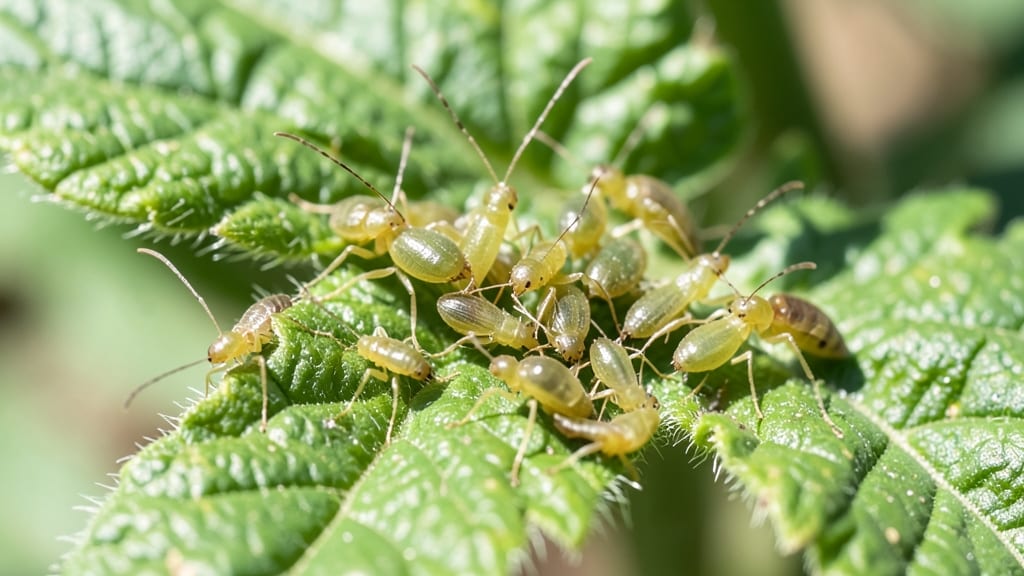
Neem oil spray saved my tomato plants from collapsing under aphid attacks—and it works for you too. 🌱 These tiny green invaders suck the life out of leaves, leaving behind sticky residue that attracts ants and sooty mold. The good news?
A single 24-hour treatment with neem oil disrupts their life cycle before they multiply. You’ll need just three ingredients—neem oil, water, and a spray bottle—and the process takes less than 10 minutes.
The key is timing: apply it on a calm morning when aphids are active, and repeat every 5-7 days until they’re gone. My plants recovered within 48 hours, with new growth pushing out stronger than before.
What you’ll end up with is vibrant, aphid-free foliage that keeps producing fruit all season. The neem oil doesn’t just kill aphids—it strengthens the plant’s defenses naturally. Plus, it’s safe for bees and other pollinators once fully dried.
This method works for any garden, from containers to full beds, and prevents future infestations when combined with companion planting. Let’s get those tomatoes thriving again!
Root Causes of Tomato Leaf Invaders
Aphids don’t just randomly appear on your tomato plants—they’re drawn by a mix of environmental, biological, and even human factors. Understanding these triggers is the first step to stopping them before they wreak havoc.
Let’s break down the science behind why these tiny pests target your tomatoes like an all-you-can-eat buffet.
Aphids thrive where plants are weak, and overcrowding or stress makes tomatoes an easy meal. When tomato plants compete for sunlight, water, or nutrients, their natural defenses weaken. Stress signals—like wilting leaves or stunted growth—attract aphids because stressed plants produce honeydew (a sugary waste product) that aphids adore.
Additionally, crowded plants create microclimates with higher humidity, which aphids love for reproduction.
Why it matters: Aphids prefer plants that are already struggling, so healthy spacing and proper care act as a natural deterrent.
Aphids have a knack for targeting new shoots and tender leaves because they’re packed with nutrients and soft tissue, making them easy to pierce and feed on. Tomato plants produce fresh growth rapidly, especially after pruning or after a flush of fertilizer.
This rapid growth sends out chemical signals that aphids detect from a distance, luring them to your plants like a dinner bell.
Scientific twist: Aphids use their antennae to sense volatile organic compounds (VOCs) released by young plant tissue—basically, they’re following a scent trail to their next meal.
Aphids are soft-bodied pests, which means they’re vulnerable to predators like ladybugs, lacewings, parasitic wasps, and birds. However, if your garden lacks these natural controls—due to pesticide use, habitat loss, or lack of biodiversity—aphid populations explode unchecked.
Without predators, a single aphid can multiply into hundreds in weeks, turning your tomato leaves into a green smorgasbord.
Actionable insight: A balanced ecosystem keeps aphids in check. Even a small patch of companion plants (like marigolds or basil) can attract beneficial insects and disrupt aphid colonization.
Aphids are cold-sensitive but love warm temperatures (60–85°F). If your region has mild winters or sudden heatwaves, aphids survive longer and reproduce faster. Additionally, warm air holds more moisture, creating ideal conditions for their reproduction.
In contrast, cold snaps can kill off aphids naturally, which is why organic gardeners often welcome a late frost!
Climate connection: Greenhouse-grown tomatoes are especially vulnerable because controlled environments provide perfect conditions for year-round aphid infestations.
Aphids hitchhike on wind, water, or even your gardening tools. If your garden has weeds, debris, or old plant matter, these serve as hiding spots and breeding grounds. Aphids can also spread from nearby infected plants (like roses or peppers) or even from store-bought seedlings.
Once they land on your tomatoes, they multiply rapidly, turning a few stragglers into a full-blown invasion.
Pro tip: Regularly remove dead leaves, mulch properly, and inspect new plants before transplanting to cut off their entry points.
Too much nitrogen in the soil makes tomato plants grow fast but weak, with soft, succulent leaves that aphids adore. While nitrogen is essential for foliage, an imbalance (especially from synthetic fertilizers) sends a signal to aphids: “This plant is packed with easy nutrients!”
Soil science: Aphids prefer plants with high sucrose levels, which over-fertilization can increase. A balanced fertilizer (with more phosphorus and potassium) promotes stronger stems and natural pest resistance.
Quick Fixes for Tiny Leaf Invaders
Aphids may seem like a minor nuisance, but if left unchecked, they can stunt your tomato plants, spread viruses, and leave your harvest looking sad and wilted. The good news? There are easy, effective ways to kick them out—fast.
Below, we’ll break down the best solutions based on the root cause of your infestation, so you can act like a pro and keep your tomatoes thriving.
Aphids love weak, crowded plants because they’re easier to feed on. If your tomatoes are struggling from poor spacing, overwatering, or nutrient deficiencies, they’ll attract more pests.
How to Fix It:
- 🌱 Prune & Thin Plants – Remove yellowing or crowded leaves to improve airflow. Aphids thrive in damp, shaded spots, so keep foliage open and dry.
- 💧 Water at the Base – Avoid wetting leaves (especially in the evening). Use a soaker hose or drip irrigation to keep stems dry.
- 🌿 Feed Them Right – A balanced fertilizer (like 10-10-10) or compost tea can strengthen plants. Pro tip: 💡 Add a handful of Epsom salt (magnesium sulfate) to the soil every 4-6 weeks for healthier leaves that aphids avoid.
Prevention: ✅ Space plants 18-24 inches apart to reduce humidity in the canopy. ✅ Rotate crops—don’t plant tomatoes in the same spot yearly to break pest cycles.
If aphids are already feasting, neem oil is your secret weapon—but it’s not the only option. These sprays disrupt aphids’ life cycle while being safe for humans and pets (once dry).
How to Fix It:
- 🍯 Neem Oil Spray (Best for Heavy Infestations)
- Mix 1 tsp neem oil + 1 tsp mild soap + 1 quart water in a spray bottle.
- Spray undersides of leaves (where aphids hide) every 5-7 days until gone.
- 🌡️ Best applied in the early morning or late evening to avoid burning leaves.
- 🍋 Homemade Garlic & Pepper Spray (Repels & Kills)
- Blend 3 garlic cloves + 1 tsp cayenne pepper + 1 quart water. Strain and spray directly on aphids.
- Works in 24 hours—reapply after rain.
- 🌿 Soap Spray (Instant Knockdown)
- Mix 1 tbsp castile soap + 1 quart water. Spray until aphids are covered (they’ll drop off).
- ⚠️ Test on a few leaves first—some plants are sensitive to soap.
Prevention: ✅ Spray preventatively every 2 weeks if aphids are a recurring issue. ✅ Plant companion herbs like basil, mint, or dill—aphids dislike their strong scents.
For small infestations, your hands (or a hose) can do the trick—no chemicals needed!
How to Fix It:
- 💦 Blast Them Off – Use a strong stream of water from your hose to knock aphids off leaves. Do this early in the day so plants dry quickly.
- 🕵️♂️ Hand-Pick & Squish – Wear gloves and crush clusters of aphids with your fingers. Drop them into soapy water to kill them instantly.
- 🪰 Use a Soft Brush – Dip a toothbrush or makeup brush in soapy water and gently scrub infested areas.
Prevention: ✅ Check plants daily—catch aphids early before they multiply. ✅ Shake plants outdoors over a bucket of soapy water to dislodge pests.
Ladybugs, lacewings, and parasitic wasps love eating aphids—and they’re free once you set them up!
How to Fix It:
- 🐞 Buy Ladybugs or Lacewings – Order from a garden center or online. Release them at dusk when they’re least active.
- 🌻 Plant Aphid-Attracting Traps – Grow nasturtiums or marigolds nearby to lure aphids away from tomatoes.
- 🐝 Encourage Bees & Wasps – These pollinators also help control pests. Leave some bare soil for ground-nesting bees.
Prevention: ✅ Avoid pesticides—they kill beneficial bugs too! ✅ Keep a small patch of "weeds" like clover or dandelions—they’re aphid magnets that protect your tomatoes.
If aphids keep coming back despite your best efforts, it’s time for heavier-duty (but still safe) solutions:
- 🪴 Pyrethrin Spray (Derived from chrysanthemums) – Kills on contact but degrades quickly (safe for bees after 4 hours).
- 🌿 Kaolin Clay Spray – Creates a barrier aphids hate (also deters other pests like hornworms).
Prevention: ✅ Rotate treatments to avoid resistance. ✅ Inspect new plants before bringing them home—aphids can hitch a ride!
Final Pro Tip: 🎯 Combine methods for the best results. For example:
- Spray neem oil (night before).
- Release ladybugs (next morning).
- Prune crowded leaves to improve airflow.
With these tricks, your tomato plants will be aphid-free in no time—and you’ll be enjoying juicy, healthy tomatoes all season long! 🍅✨
Frequently asked questions
How do I know if my tomato plants have aphids?
Look for tiny green, black, or yellow insects clustered on the undersides of leaves or new growth. You’ll also spot sticky honeydew residue on leaves or nearby surfaces—this is aphid waste. Infested plants may appear curled, yellowed, or stunted.
Will aphids kill my tomato plants?
While they won’t kill healthy plants outright, severe infestations can weaken tomatoes by sucking sap, spreading viruses, and attracting sooty mold. Young plants or stressed ones are most vulnerable—act fast to prevent long-term damage.
Can I use dish soap to kill aphids on tomatoes?
Yes, but use mild, natural soap like castile soap (1 tbsp per quart of water) to avoid harming plants. Spray directly on aphids—they’ll drop off within minutes. Test on a small leaf first to check for sensitivity.
How often should I reapply neem oil for aphids?
Apply every 5-7 days until aphids disappear, then repeat every 2 weeks as prevention. Neem oil works by disrupting aphid life cycles, so consistency is key—especially after rain.
Are there any plants that repel aphids naturally?
Plant basil, marigolds, or nasturtiums near tomatoes—their strong scents deter aphids. These companions also attract beneficial predators like ladybugs, creating a natural defense system.