
Pests and Diseases
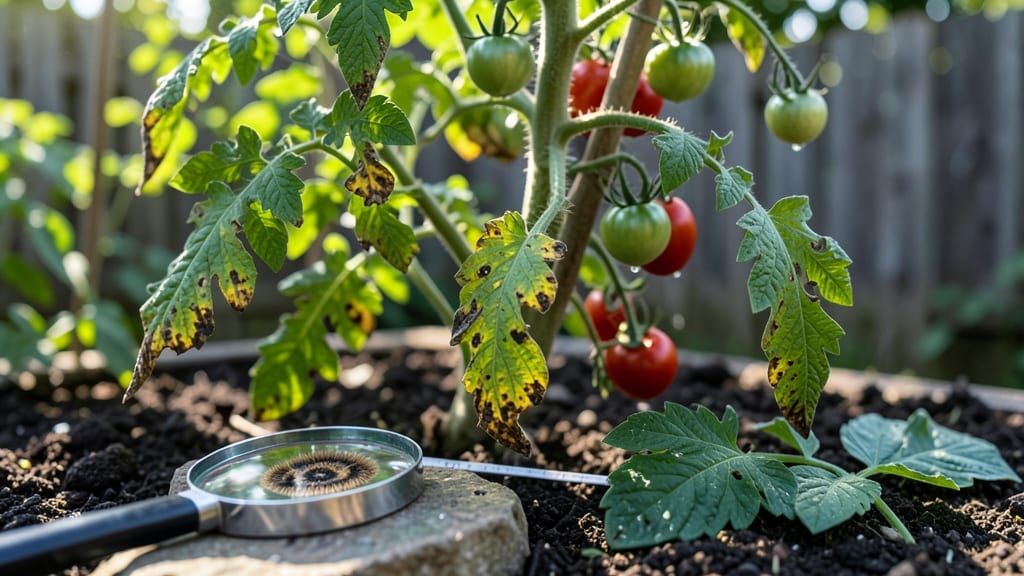
Those mysterious spots on your tomato leaves could mean early blight, late blight, or even a bacterial infection—each needing a different fix. 🌱 I’ve seen healthy plants turn into defoliated messes in just two weeks, but catching it early makes all the difference.
The first step? Figuring out what’s causing those brown, yellow, or black marks before they spread.
Early blight shows up as brown spots with yellow halos on lower leaves, while late blight starts with greasy-looking dark patches that spread fast. Bacterial spots? Tiny water-soaked marks that turn papery.
The key is acting fast—prune infected leaves, space plants for airflow, and water at the base (never overhead) to stop the cycle.
Once you know the culprit, treatments get simple: copper spray for bacteria, fungicides for blight, or even a baking soda mix for mild cases. The goal? Save your plants and next season’s harvest. With the right moves, you’ll have lush, spot-free foliage in no time.
Pro tip: Sterilize pruners between cuts and remove all diseased debris—this stops the problem before it starts. Your tomatoes will thank you with bigger, healthier fruit. Let’s get those leaves looking clean again!
Root Causes Of Leaf Spots
When your tomato plants start showing unsightly spots on their leaves, it’s usually a sign of stress—whether from hidden invaders, environmental factors, or poor growing conditions. Understanding the why behind these blemishes is the first step to saving your harvest.
Below, we break down the most common culprits, complete with the science behind their attacks.
Fungi thrive in warm, humid conditions and are the #1 cause of leaf spots on tomatoes. These microscopic organisms release spores that land on leaves, germinate, and create lesions that expand over time. Here’s how they strike:
- Early Blight (Alternaria solani): Spots start as small, brown circles with concentric rings (like a bullseye) and often have yellow halos. It spreads from the lower leaves upward, especially in cool, wet weather.
- Late Blight (Phytophthora infestans): A devastating disease that causes greasy, dark spots with white mold on the undersides of leaves. It thrives in high humidity (above 70%) and temperatures between 60–80°F.
- Septoria Leaf Spot (Septoria lycopersici): Tiny, circular spots with dark centers and light borders appear, often in crowded plants with poor airflow.
💡 Pro Tip: Fungal spores can survive in soil and plant debris for years. Always rotate crops and remove infected foliage to break the cycle.
Some leaf spots aren’t caused by diseases—they’re the result of chewing or sucking pests that leave behind ragged edges, holes, or sap-filled marks. Here’s who’s to blame:
- Spider Mites: These microscopic arachnids suck plant sap, causing stippled, yellowish spots (like freckles) and fine webbing on leaves. They thrive in dry, hot conditions.
- Tomato Hornworms: Their voracious appetites leave behind large, irregular holes and black droppings. Look for green caterpillars with white stripes lurking on leaves.
- Aphids: Clusters of these tiny, sap-sucking insects distort leaves and leave behind sticky residue (honeydew), which can attract sooty mold.
🔥 Quick Fix: Blast pests off with a strong spray of water or introduce beneficial predators like ladybugs or lacewings to keep them in check.
Sometimes, leaf spots are a red flag from Mother Nature herself. Extreme weather, poor watering habits, or nutrient deficiencies can weaken plants, making them more susceptible to infections—or even causing spots directly.
| Cause | How It Looks | Why It Happens |
|---|---|---|
| Overwatering or Poor Drainage | Yellowing leaves with waterlogged, mushy spots; possible root rot. | Excess moisture drowns roots and creates anaerobic conditions, inviting fungal growth. |
| Sunscald | White or brown patches on leaves exposed to direct sunlight, often in hot afternoons. | Sudden temperature swings (e.g., cold nights + hot days) damage leaf cells. |
| Nutrient Deficiencies |
|
Plants can’t produce chlorophyll properly, leading to weakened cell structures. |
🌡️ Prevention Tip: Mulch around plants to regulate soil temperature and water deeply but infrequently to avoid soggy conditions.
Sometimes, the spots are a direct result of human error. Overzealous use of fertilizers, pesticides, or even tap water can harm your tomato plants:
- Fertilizer Burn: Excessive salt or nitrogen in soil causes brown, crispy edges on leaves.
- Pesticide Residue: Strong chemicals can damage leaf cuticles, leading to bleached or necrotic spots.
- Hard Water Spots: High mineral content in tap water leaves white, crusty deposits on leaves, clogging stomata.
✨ Solution: Always follow label instructions for chemicals, and use rainwater or filtered water for irrigation.
Quick Fixes for Leaf Spots
Now that you’ve identified the culprit behind those pesky spots on your tomato leaves, it’s time to take action! The good news? Most issues are manageable with the right approach. Below, we’ve mapped out practical solutions for each common cause—plus pro tips to keep your tomato plants thriving long-term.
Fungal spores thrive in damp conditions, so prevention is key. If you’ve already spotted signs, act fast to stop the spread.
🔥 Remove Infected Leaves Immediately
- How: Snip off leaves with dark, crusty, or yellowing spots (at least 6 inches below the spot to avoid reinfection).
- When: Do this in the morning so leaves have time to dry before evening dampness sets in.
- Pro Tip: 💡 Don’t compost infected leaves—toss them in the trash to prevent spores from lingering.
🍳 Boost Airflow & Spacing
- How: Prune lower leaves to improve airflow (especially for bush tomatoes). Space plants 18–24 inches apart if crowded.
- Why: Fungi love humidity—good airflow reduces moisture buildup.
👨🍳 Apply Fungicidal Sprays (Organic or Chemical)
| Option | How to Use | Best For |
|---|---|---|
| Neem Oil | Mix 1 tbsp neem oil + 1 tsp mild soap + 1 quart water. Spray every 7–10 days. | Early blight, prevention |
| Copper Fungicide | Follow label rates (e.g., spray at first sign of spots). | Late blight, severe infections |
| Baking Soda Spray | 1 tbsp baking soda + 1 quart water + few drops of soap. Spray weekly. | Septoria leaf spot (mild cases) |
⏰ Prevent Future Outbreaks
- Rotate crops—don’t plant tomatoes in the same spot next year.
- Water at the base (avoid overhead watering) and water early in the day so leaves dry quickly.
- Mulch with straw or grass clippings to reduce soil splashing onto leaves.
Pests weaken plants, making them susceptible to secondary infections. Here’s how to evict them fast.
🔪 Blast Off Pests with Natural Sprays
- Soap Spray: Mix 1 tbsp castile soap + 1 quart water.
Spray directly on pests (test on a small leaf first). - Insecticidal Soap: Follow package instructions—reapply every 3–5 days until pests vanish. - Horticultural Oil: Use in early spring to smother overwintering eggs (avoid temps below 50°F).
🕷️ Introduce Beneficial Predators
- Ladybugs (eat aphids), lacewings (devour spider mites), or predatory mites (target spider mites).
- How: Buy from garden centers or release them at dusk when pests are active.
🌡️ Adjust Growing Conditions
- Spider mites love dry heat—keep humidity up with a light misting (but avoid wet leaves).
- Aphids adore new growth—pinch off tender tips to slow their spread.
Waterlogged soil invites fungi and weakens roots. Fix it with these steps:
🌧️ Adjust Your Watering Routine
- Water deeply but less often—aim for 1–1.5 inches per week (check soil moisture 2 inches down).
- Use drip irrigation or soaker hoses to deliver water at the roots, not the leaves.
- Pro Tip: 🎯 If soil stays soggy 24+ hours after watering, you’re overdoing it.
🏗️ Improve Soil Drainage
- Amend heavy clay soil with compost or perlite to help water drain faster.
- Raise beds if your garden floods easily—elevate containers or mounds.
- Check containers—ensure pots have drainage holes and use a well-draining mix (50% potting soil, 30% perlite, 20% compost).
If spots are dry, papery, or bleached, your tomatoes might be sunburned or struggling with heat.
🌿 Provide Shade Cloth (Temporary Fix)
- How: Drape 30–50% shade cloth over plants during peak sun (10 AM–4 PM).
- Alternative: Use whitewashed tomato cages to reflect sunlight.
💧 Mulch to Retain Moisture
- How: Apply 2–3 inches of straw or wood chips around the base (but not touching stems).
- Why: Mulch keeps roots cool and reduces water evaporation.
🌡️ Avoid Fertilizer Burns
- Stop fertilizing if new spots appear after feeding—too much salt can stress plants.
- Switch to organic compost tea for a gentler nutrient boost.
- 🌱 Start with healthy seedlings—buy from reputable nurseries or grow from disease-free seeds.
- 🌿 Rotate crops—wait 3 years before replanting tomatoes in the same spot.
- 🧼 Clean up debris—remove old plant material at season’s end to eliminate fungal spores.
- 🔄 Test your soil—ensure pH is 6.0–6.8 (tomatoes thrive in slightly acidic soil).
- 🛒 Invest in resistant varieties—try ‘Mountain Merit’ (blight-resistant) or ‘Celebrity’ (disease-tolerant).
Remember: The faster you act, the better your tomatoes’ chances! Most issues are reversible with consistent care—so roll up your sleeves and give your plants the TLC they deserve. 🍅✨
Frequently asked questions
What do brown spots with yellow halos on tomato leaves mean?
Those classic bullseye patterns are almost always early blight, caused by the fungus Alternaria solani. The yellow halo appears as the spot spreads, and it typically starts on lower leaves before moving upward. Act fast by removing infected leaves and applying copper fungicide or neem oil spray.
Can I still save my tomato plants if most leaves have spots?
Yes, but you’ll need to act aggressively! Prune all infected leaves (including stems with spots), improve airflow by spacing plants 18-24 inches apart, and switch to drip irrigation. For severe cases, apply a fungicide like chlorothalonil and consider using disease-resistant varieties next season.
Why do my tomato leaves have tiny white spots that look like dust?
Those are likely spider mite eggs or webbing—check leaf undersides for fine silk threads. Spider mites thrive in dry conditions and leave stippled yellow spots as they suck sap. Blast them off with water or use insecticidal soap, then increase humidity with a light misting (but avoid wet leaves).
Is it safe to eat tomatoes with spotted leaves?
Yes, but only if the spots are from environmental causes (like sunscald) or non-toxic pests. If spots are from fungal diseases like late blight or bacterial infections, remove and destroy the infected leaves immediately—don’t let spores contaminate the fruit. Always wash tomatoes thoroughly before eating.
How often should I spray my tomato plants to prevent spots?
For prevention, apply a baking soda spray (1 tbsp baking soda + 1 quart water + few drops of soap) every 7-10 days during humid weather. If you’ve had past issues, use neem oil or copper fungicide every 2 weeks at the start of the season. Always spray in the early morning so leaves dry quickly.