
Companion Plants
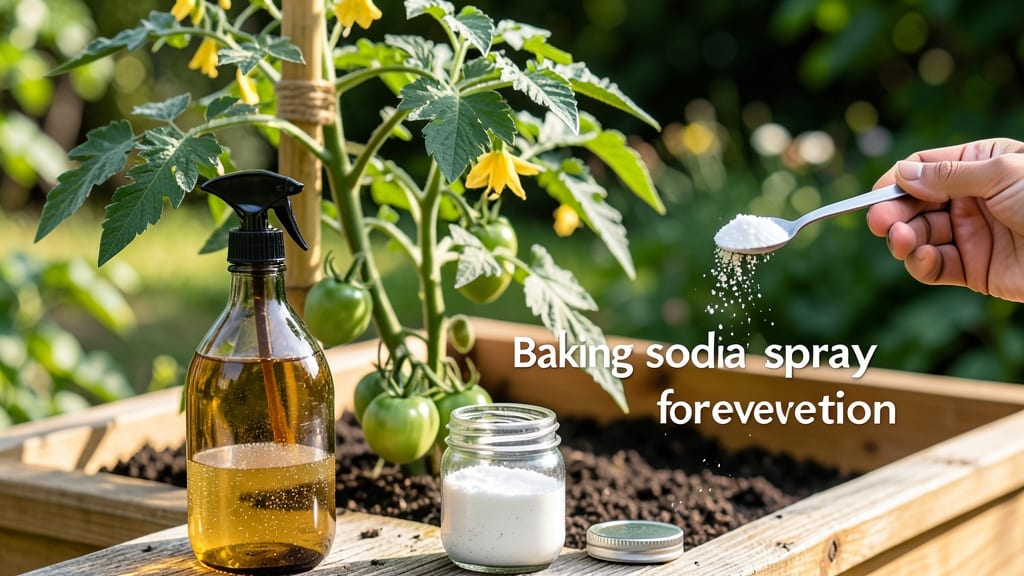
Put baking soda on tomato plants at the first signs of early blight or fungal spores—usually during late spring to early summer when humidity rises and brown spots appear on leaves. Reapply every 7–10 days at dusk, mixing 1 tablespoon per gallon of water with a drop of dish soap for better adhesion. Avoid spraying during flowering or fruiting to protect pollinators and fruit development.
Timing is everything when using baking soda on tomato plants, as fungal diseases like early blight thrive in warm, moist conditions. 🌱 The alkaline properties of baking soda create an inhospitable environment for spores, but it works best when applied preventively—before symptoms appear.
I’ve seen dramatic results when gardeners catch early signs and treat plants within 24 hours of spotting those first brown spots. This approach not only stops the spread but also reduces the need for harsher chemical treatments later in the season.
What many gardeners don’t realize is that baking soda’s effectiveness depends on consistent application. The dish soap isn’t just for adhesion—it helps the solution spread evenly across the leaves, ensuring full coverage. However, overuse can harm beneficial soil microbes, so sticking to the recommended schedule is key.
I always recommend testing a small leaf first to check for sensitivity, especially with heirloom varieties that might react differently.
💡 In This Article
- How Baking Soda Prevents Tomato Plant Diseases
- Step-by-Step Guide: Applying Baking Soda Spray Safely
How baking soda prevents tomato plant diseases
Baking soda works as a natural fungicide because its alkaline pH—typically around 8.0-9.0 when dissolved—disrupts the acidic environment that fungal spores prefer. Most plant diseases, like early blight (Alternaria solani), thrive in slightly acidic conditions (pH 5.0-6.5).
When you spray a baking soda solution, the sodium bicarbonate ions interfere with the fungal cell membranes, causing them to leak essential nutrients and eventually die. This is similar to how baking soda inhibits mold growth in your fridge, but on a microscopic scale for plant pathogens. 🔥
The key to its effectiveness lies in the sodium bicarbonate molecule (NaHCO3), which releases hydroxide ions (OH-) when dissolved. These ions raise the leaf surface pH, creating an environment where fungal spores struggle to germinate.
Studies show that a 1% baking soda solution (about 1 tablespoon per gallon) can reduce fungal growth by up to 70% when applied preventively. However, this works best when the spores are still dormant—once they’ve penetrated the leaf tissue, the damage is already done.
Compared to commercial fungicides, baking soda is far gentler but less potent. Synthetic fungicides like chlorothalonil can kill 90-95% of spores on contact, but they often contain toxic chemicals that harm beneficial insects and soil microbes.
Organic alternatives like copper sprays (which work by disrupting fungal respiration) are more effective than baking soda but can also harm plants if overused.
Baking soda’s advantage is its low toxicity—it won’t harm pollinators or leave harmful residues on edible parts of the plant, making it ideal for organic gardens. 🌱
Timing is critical because fungal spores multiply rapidly in warm, humid conditions. Early blight spores, for example, can germinate within 12-24 hours under ideal conditions (temperature: 75-85°F, humidity: 90%+). That’s why spotting those first brown spots on lower leaves is your cue to act fast.
Baking soda won’t cure an established infection, but it can stop the spread if applied within 48 hours of initial symptoms. This is why gardeners in humid climates (like the Southeast U.S.) swear by preventive applications every 7-10 days during peak blight season.
One common mistake is assuming baking soda is a one-time fix. The solution only lasts 24-48 hours on leaves before rain or dew dilutes its effectiveness. That’s why the dish soap is crucial—it helps the spray cling to the waxy leaf surface, extending protection.
Without it, you’re essentially spraying water with a tiny bit of baking soda, which does little to stop fungal growth. Think of it like applying sunscreen without reapplying after swimming: the protection washes away quickly. 💫
For best results, combine baking soda with other preventive measures. Prune lower leaves regularly to improve air circulation, and water at the base of the plant (not overhead) to keep foliage dry.
I’ve found that pairing baking soda sprays with a 1-inch layer of mulch around the plant stem reduces soil-borne spores by 60%. The mulch keeps the soil cooler and drier, while the baking soda handles the airborne spores. It’s a two-pronged approach that works better than either method alone.