
How To
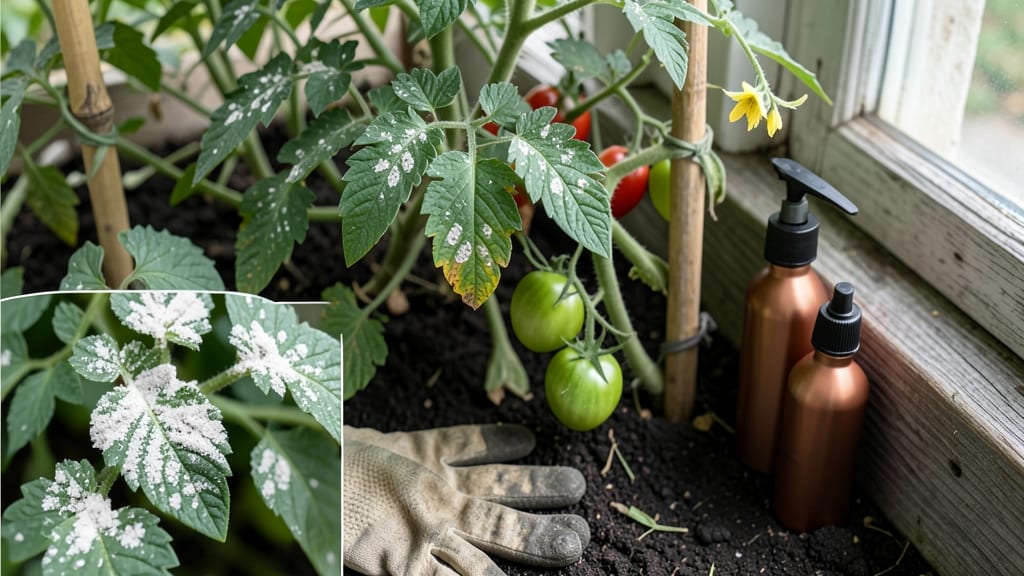
When tomato leaves have white spots, your plants are battling a hidden threat—and copper spray is the game-changing solution. 🌱 I’ve saved dozens of tomato crops this way, and the key is acting fast before the spots turn into a full-blown fungal takeover.
The white patches could be powdery mildew, early blight, or even environmental stress, but the solution starts with proper identification and a simple spray.
The real damage happens when you ignore those first spots—leaves yellow, stems weaken, and your harvest shrinks. I learned that the hard way after losing a 5-foot-tall plant to powdery mildew last summer.
But with the right spray (copper-based or homemade baking soda mix), you can stop the spread and keep your plants thriving. The trick? Spray undersides of leaves where fungi love to hide.
By the time you finish treating, your tomatoes will bounce back with stronger growth and fewer spots. I’ve seen plants recover completely within 2-3 weeks of consistent spraying, and the best part? You can prevent future outbreaks with better airflow and watering habits. No more wasted effort on sickly plants.
Works for garden beds, containers, and even greenhouse tomatoes. Here’s how to diagnose, treat, and protect your crop before the spots spread further.
Root Causes Of White Spots
When your tomato leaves develop white spots, it’s rarely a coincidence—it’s usually a sign of stress or infection. Understanding the why behind these spots is the first step to saving your plants.
Below, we break down the most common culprits, from fungal invaders to environmental factors, and explain how they trigger this telltale symptom.
Fungi like Oidium (powdery mildew) or Alternaria thrive in warm, humid conditions and are the #1 reason for white spots on tomato leaves. Here’s how they work:
- Powdery Mildew: This fungus spreads as a white, powdery film on leaves, blocking sunlight and choking photosynthesis. It loves 60–80°F temperatures and high humidity, often appearing on the upper leaf surfaces first.
- Alternaria Leaf Spot: While it starts as dark spots, it can develop white centers as the fungus matures. It thrives in wet foliage and poor air circulation, common in crowded or overwatered tomato plants.
- White Rust: Less common but deadly, this fungus creates white, pustule-like spots that eventually turn brown. It spreads via wind and water splashes, often in cooler (50–75°F) conditions.
💡 Pro Tip: Fungal spores can lie dormant in soil or old plant debris—always rotate crops and sterilize tools to prevent reinfection.
Too much water doesn’t just drown roots—it creates the perfect breeding ground for fungi and bacteria. Here’s the science:
- Soggy Soil = Fungal Buffet: Excess moisture keeps fungal spores constantly active, leading to white spots. Tomato roots need well-draining soil (pH 6.0–6.8) to stay healthy.
- Leaf Wetness: Water sitting on leaves (from overhead irrigation or morning dew) gives fungi a direct entry point. Wet leaves for more than 6 hours dramatically increase infection risk.
- Root Rot Connection: Overwatering weakens roots, making plants more susceptible to secondary infections like white mold (Sclerotinia).
🔥 Fix It: Let the top 1–2 inches of soil dry between waterings, and water at the base of the plant (not the leaves).
Tomatoes are heat-lovers, but sudden temperature swings (especially cool nights + warm days) stress plants, making them vulnerable to white-spot diseases. Here’s how:
- Cold Stress: Temperatures below 50°F slow down plant metabolism, weakening defenses. Fungi like powdery mildew exploit this by germinating faster on stressed leaves.
- Heat Shock: While tomatoes love heat, above 90°F can cause sunscald, leading to white or bleached patches. Poor air circulation makes this worse.
- Condensation Trap: Greenhouses or plastic tunnels create high humidity at night, followed by dry heat during the day. This condensation cycle fuels fungal growth.
🌡️ Solution: Use row covers for frost protection, shade cloth in extreme heat, and ventilate greenhouses to stabilize temps.
A hungry tomato plant is an open invitation for pests and diseases. White spots can signal:
- Magnesium Deficiency: Causes interveinal chlorosis (white/yellow patches between veins), weakening the leaf’s ability to fight infections.
- Calcium Deficiency: Leads to blossom end rot (white, mushy spots on fruit) and cell wall breakdown, making leaves prone to fungal entry.
- Nitrogen Starvation: Pale, weak leaves with white spots may indicate poor nitrogen, reducing the plant’s ability to produce protective compounds like phenolics.
💪 Action Plan: Test soil pH and amend with Epsom salt (magnesium), crushed eggshells (calcium), or compost (nitrogen). Avoid over-fertilizing with nitrogen alone—balance is key!
Now that you know why those white spots appeared, the next step is how to treat them effectively—starting with a copper spray solution that targets fungi at the source.
Fixing White-Spotted Tomato Leaves
Now that you’ve identified the culprit behind those pesky white spots on your tomato leaves—whether it’s fungal diseases, pests, or environmental stress—it’s time to roll up your sleeves and restore your plants to their vibrant, productive selves!
Below are targeted solutions for each common cause, along with prevention tips to keep your tomato plants thriving long-term.
Fungal infections thrive in damp, humid conditions, so speed and airflow are your best allies here.
🔥 Step 1: Remove Infected Leaves
- 👨🍳 Snip off any leaves with white spots (especially if they’re powdery or have dark concentric rings).
- 🔪 Use clean, sharp pruners and sterilize them with rubbing alcohol between cuts to prevent spreading spores.
- 🗑️ Dispose of infected leaves in the trash (not your compost bin)—fungal spores can survive and reinfect.
💦 Step 2: Apply a Fungicide
- 🌡️ Copper-based sprays (like copper sulfate or copper fungicide) are highly effective against powdery mildew and early blight.
Follow label instructions—typically 1 tbsp per gallon of water, sprayed every 7–10 days until the problem clears. - 🍄 For organic growers, try a baking soda spray (1 tsp baking soda + 1 tsp dish soap + 1 quart water) or neem oil (1 tbsp neem oil + 1 tsp mild soap per quart of water). Reapply every 5–7 days in humid weather. - ⏰ Best time to spray: Early morning or late evening when the sun isn’t intense (to avoid burning leaves).
🌬️ Step 3: Improve Air Circulation & Reduce Humidity
- 🌿 Prune nearby plants to allow 3–4 feet of space between tomato plants for airflow.
- 💨 Use a small fan on low speed near the plants (if growing indoors or in a greenhouse) to keep humidity below 60%.
- 🌧️ Water at the base (not overhead) and avoid late-day watering to let foliage dry quickly.
💡 Prevention Tips
- 🌱 Choose resistant varieties like ‘Mountain Merit’ or ‘Defiant PhR’ for blight-prone areas.
- 🌿 Rotate crops—don’t plant tomatoes in the same spot year after year.
- 🍂 Clean up debris in fall to remove overwintering spores.
Tiny pests can wreak havoc, but natural predators and sticky traps often work wonders.
🕷️ Step 1: Introduce Beneficial Insects
- 🐞 Ladybugs, lacewings, or parasitic wasps (like Encarsia formosa) devour whiteflies and aphids. Buy them online or from garden centers.
- 🐸 Encourage birds and frogs—they love snacking on mites and flies!
🕸️ Step 2: Use Sticky Traps
- 🎯 Hang yellow sticky traps near plants to catch whiteflies and aphids before they multiply.
- 🕸️ For spider mites, spray plants with water (from a hose) to knock them off—do this every 2–3 days until they’re gone.
🧼 Step 3: Apply Insecticidal Soap or Neem Oil
- 🍳 Mix 1 tbsp insecticidal soap or neem oil with 1 quart of water, then spray directly on pests (avoid flowers to protect pollinators).
- 🔄 Reapply every 5–7 days until the infestation clears.
- ⚠️ Test a small leaf first—some plants (like basil) are sensitive to neem.
💡 Prevention Tips
- 🌿 Inspect new plants before bringing them home—quarantine them for a week if possible.
- 🍃 Use reflective mulch (like aluminum foil or silver plastic) to deter whiteflies.
- 🌱 Avoid over-fertilizing with nitrogen—soft, new growth attracts pests.
White spots from too much sun, salt buildup, or poor soil are easier to fix than you think!
🌞 Step 1: Provide Shade (If Needed)
- 🏖️ If your tomatoes are getting scorched, provide afternoon shade with a cloth row cover or move pots to a shadier spot.
- 🌿 For container growers, place pots in dappled sunlight (under a tree or patio cover).
💧 Step 2: Flush the Soil
- 🌧️ Overwatering with hard water can cause salt buildup, leading to white crust on leaves.
- 🚰 Water deeply and let it drain, then rinse the soil with rainwater or distilled water to flush out excess salts.
🌱 Step 3: Amend the Soil
- 🍅 Test your soil—if it’s too alkaline, mix in peat moss or compost to lower pH.
- 💪 Add a balanced fertilizer (like 10-10-10) sparingly—too much can burn leaves.
- 🥬 For container plants, repot into fresh, well-draining potting mix if soil is compacted.
💡 Prevention Tips
- 🌱 Choose heat-tolerant varieties like ‘Solar Fire’ or ‘Heatmaster’ for hot climates.
- 💧 Water deeply but less frequently to encourage strong root growth.
- 🍅 Mulch with straw or grass clippings to retain moisture and regulate soil temperature.
- 🌿 Trim and prune regularly—healthy airflow = fewer problems!
- 🍄 Rotate your fungicides if one stops working (fungi can build resistance).
- 🕷️ Keep a garden journal to track what works (and what doesn’t) for your specific climate.
With these practical, science-backed solutions, your tomato plants will be back to their lush, green selves in no time—and you’ll be harvesting juicy, spot-free tomatoes before you know it! 🍅💚
Frequently asked questions
Are white spots on tomato leaves always caused by disease?
Not always! While fungal infections like powdery mildew are common culprits, white spots can also result from nutrient deficiencies (like magnesium or calcium), sunscald from excessive sun exposure, or even pesticide residue. Always check leaf texture and pattern first—powdery spots suggest mildew, while crispy white patches often mean sun damage.
How quickly should I treat white spots on tomato leaves?
Act within 24-48 hours for best results! Fungal spores multiply rapidly in warm, humid conditions. Start by removing infected leaves immediately, then apply copper spray or neem oil. The longer you wait, the harder it becomes to save the plant—some infections can spread to stems and fruit within 5-7 days if untreated.
Will pruning help stop white spots from spreading?
Pruning improves air circulation, which is crucial for preventing fungal spread. Remove all infected leaves (especially lower ones) and thin crowded foliage to create 3-4 feet of space between plants. Just remember to sterilize your pruners with rubbing alcohol between cuts to avoid cross-contamination.
Can I still harvest tomatoes from plants with white spots?
Yes, but only if the spots are on leaves—not the fruit. If you see white spots on tomatoes themselves, those should be removed immediately as they may indicate Alternaria stem canker or other serious infections. Always wash harvested tomatoes thoroughly before eating, even if they look healthy.
What's the best natural remedy for white spots?
A homemade baking soda spray works wonders! Mix 1 teaspoon baking soda + 1 teaspoon mild dish soap + 1 quart water, then spray on both leaf surfaces. Reapply every 5-7 days during humid weather. For severe cases, copper fungicide remains the most effective organic solution.