
Companion Plants
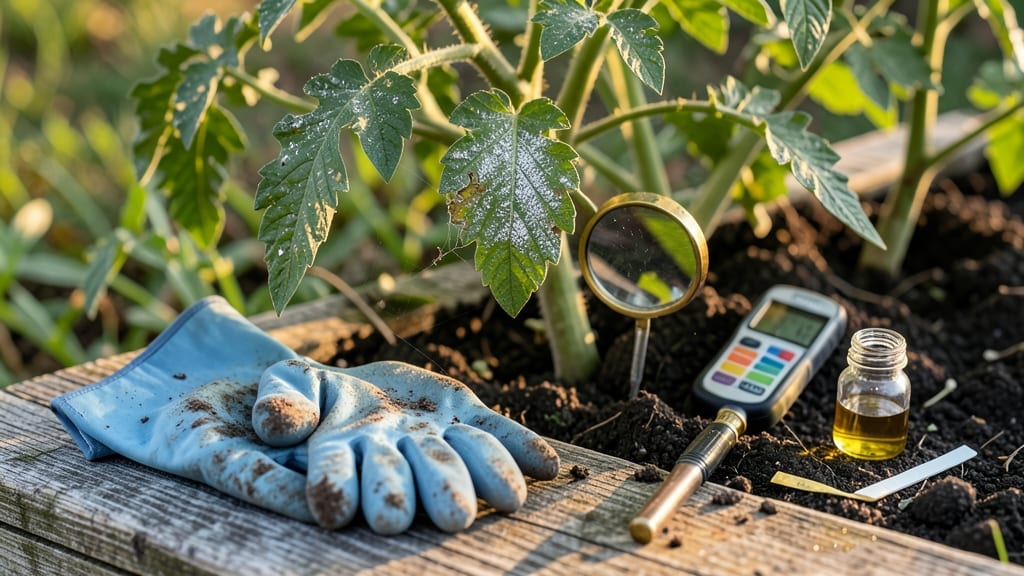
When your tomato plant leaves are going white, it’s usually calcium deficiency—though powdery mildew or stress can mimic it. 🌱 Honestly, I’ve seen this happen after heavy rain or when plants outgrow their containers.
The good news? This fix is straightforward and gets your plants back to healthy, lush growth in just a few weeks.
First, check the undersides of leaves for white powder (mildew) or yellowing between veins (calcium). If it’s mildew, prune affected leaves immediately and space plants for airflow. For calcium issues, mix 1 tablespoon of crushed eggshells or bone meal into the soil around roots, then water deeply.
Repeat every 2 weeks until new leaves stay green.
Prevention starts with soil prep: add compost before planting and use calcium-rich amendments like gypsum if your soil tests low. Mulch helps too—it keeps moisture steady and prevents stress that triggers white spots. Your plants will bounce back faster than you think.
This works for backyard gardens, containers, and even raised beds. The key is acting fast—once you spot the issue, your tomatoes can recover completely. Let’s get those leaves back to their vibrant green!
Root Causes Of White Tomato Leaves
When your tomato plant’s leaves start turning white, it’s often a cry for help from the roots—or from unseen invaders. Understanding the specific triggers behind this symptom is key to saving your harvest.
Below, we break down the most common culprits, backed by science, so you can diagnose and act fast.
Tomatoes thrive in warmth, but too much direct sunlight—especially during scorching afternoons—can cause sun scorch. When temperatures exceed 90°F (32°C), chlorophyll (the green pigment in leaves) breaks down, leaving behind a white, papery texture, particularly on leaf edges.
Why it happens:
- Oxidative damage: Excess UV radiation generates reactive oxygen species (ROS), which destroy cell membranes and chlorophyll.
- Transpiration overload: Plants lose water faster than roots can absorb it, leading to water stress and leaf bleaching.
- Thin cuticles: Young or stressed tomato leaves lack protective wax layers, making them vulnerable to sun damage.
Actionable fix: Provide afternoon shade (use shade cloth or move pots to partial shade) and ensure consistent soil moisture. Mulch with straw to retain moisture and cool roots.
White, mushy leaves with yellowing undersides? You might be drowning your tomatoes. Overwatering disrupts oxygen flow to roots, leading to root rot and nutrient deficiencies—including calcium, which causes white, crinkled patches.
Why it happens:
- Anaerobic roots: Waterlogged soil starves roots of oxygen, triggering ethylene gas production, which accelerates leaf senescence (aging) and bleaching.
- Calcium leaching: Excess water flushes calcium out of the root zone, preventing proper cell wall formation. Without calcium, leaf edges die back and turn white.
- Fungal infections: Stagnant water invites Pythium or Phytophthora, which clog root vessels and block nutrient uptake.
Actionable fix:
- Check soil moisture with your finger—water only when the top 1–2 inches are dry.
- Amend heavy clay soil with perlite or compost to improve drainage.
- Raise containers off the ground to prevent water pooling.
Tiny invaders like aphids, whiteflies, or spider mites suck sap from leaves, leaving behind white, stippled patches or webbing. Even powdery mildew (a fungal disease) coats leaves in a white, flour-like film, blocking sunlight and stunting growth.
Why it happens:
- Sap depletion: Pests like aphids inject toxins while feeding, triggering phytoalexins—plant defense chemicals—that cause white, necrotic spots.
- Fungal spores: Powdery mildew thrives in humid conditions (70–80% humidity) and smothers stomata (leaf pores), preventing gas exchange and turning leaves white.
- Secondary infections: Damaged leaves become entry points for bacteria or viruses, worsening the problem.
Actionable fix:
- Blast pests off with a strong spray of water or use neem oil (1 tsp per quart of water).
- Apply baking soda spray (1 tbsp baking soda + 1 quart water + a drop of dish soap) for powdery mildew.
- Improve airflow between plants to reduce humidity.
White or yellow patches between leaf veins? Your tomato might be screaming for calcium or magnesium. These minerals are essential for cell structure and chlorophyll production.
Why it happens:
| Deficiency | Symptoms | Why It Occurs |
|---|---|---|
| Calcium (Ca) | White, dead spots on young leaves and blossom end rot on fruits. | Calcium is immobile in plants—once absorbed, it can’t move to new growth. Overwatering, high nitrogen, or cool soils block uptake. |
| Magnesium (Mg) | White or yellow patches between veins (interveinal chlorosis). | Magnesium is the center of the chlorophyll molecule. Acidic soil or over-fertilizing with potassium locks it out. |
Actionable fix:
- Add crushed eggshells (for calcium) or Epsom salt (1 tbsp per gallon of water) as foliar sprays.
- Test soil pH—aim for 6.0–6.8 for optimal nutrient availability.
- Avoid high-nitrogen fertilizers; switch to a balanced 10-10-10 or calcium-rich amendment like gypsum.
💡 Pro Tip: If your tomato’s white leaves are paired with stunted growth or drooping, check for root-bound stress—repot into larger containers if needed!
Fixing White Tomato Leaves Naturally
Now that you’ve identified the root cause of your tomato plant’s white leaves—likely calcium deficiency, fungal stress, or environmental shock—it’s time to take action! The good news? Most fixes are simple, cost-effective, and can be done with household items or garden staples.
Below, we’ll break down targeted solutions for each common cause, plus prevention tips to keep your plants thriving.
If your tomato leaves are white and crispy (especially along edges), calcium is likely the culprit. Tomatoes need calcium for cell wall strength, and a deficiency leads to blossom-end rot and leaf discoloration.
🍳 Step 1: Apply Calcium-Rich Amendments
Tomatoes absorb calcium best when it’s readily available in the soil. Try these quick fixes: - Crushed Eggshells: Boil eggs, crush the shells into a fine powder, and sprinkle around the base of the plant.
Water well to dissolve. - Lime or Gypsum: Mix 1–2 tablespoons of garden lime or gypsum into the top 2 inches of soil.
Gypsum is sulfate-based and won’t alter soil pH. - Calcium Nitrate Solution: For a fast fix, dissolve 1 tablespoon of calcium nitrate in a gallon of water and water the soil deeply.
👨🍳 Step 2: Improve Soil Drainage & Mulch
Poor drainage or uneven watering worsens calcium uptake.
To prevent future issues: - Add Organic Matter: Mix in compost or well-rotted manure to improve soil structure. - Mulch Heavily: Use straw or grass clippings to retain moisture and prevent calcium leaching. - Water Consistently: Keep soil evenly moist (not soggy) to avoid calcium washout.
💡 Pro Tip:
🌡️ Test Your Soil pH—calcium absorbs best at 6.0–7.0 pH. If your soil is too acidic, add lime to raise the pH gradually.
White, powdery spots or fuzzy growth on leaves? Powdery mildew or early blight could be the villain. These fungi thrive in humid, poorly ventilated conditions.
🔪 Step 1: Remove & Destroy Infected Leaves
- Snip off white or spotted leaves with clean pruners (don’t compost them—trash or burn).
- Disinfect tools with rubbing alcohol to prevent spreading.
⏰ Step 2: Apply Natural Fungicides
Skip harsh chemicals—these DIY sprays work just as well:
- Baking Soda Spray:
- Mix 1 teaspoon baking soda + 1 tablespoon vegetable oil + 1 gallon water.
- Add a drop of dish soap as a surfactant.
- Spray early morning or evening (avoid direct sun).
- Neem Oil Solution:
- Combine 1 tablespoon neem oil + 1 teaspoon mild soap + 1 quart water.
- Spray every 7–10 days until new growth appears healthy.
- Milk Spray (Yes, Really!):
- Use 1 part milk to 9 parts water (raw or pasteurized).
- Spray every 3–4 days—milk contains natural fungicidal compounds.
🎯 Step 3: Improve Airflow & Reduce Humidity
- Prune for Spacing: Ensure 12–18 inches between plants for airflow.
- Water at the Base: Avoid wetting leaves (use drip irrigation or soaker hoses).
- Space Plants Strategically: If growing in containers, thin out crowded stems.
✨ Prevention Tip:
🌱 Rotate crops—never plant tomatoes (or other nightshades) in the same spot two years in a row to break fungal cycles.
If white leaves appear suddenly with no other symptoms, heat stress, cold shock, or transplant trauma may be to blame.
🌞 Step 1: Shield from Extreme Conditions
- Heat Stress:
- Provide afternoon shade with a lightweight row cover or shade cloth (30–50% block).
- Mulch with straw to keep roots cool.
- Cold Shock:
- Move potted tomatoes to a sheltered spot if temperatures drop below 50°F (10°C).
- Use frost blankets for young plants.
💪 Step 2: Support Recovery with Nutrients
- Fertilize Gently: Use a balanced fertilizer (10-10-10) to help recovery, but avoid high nitrogen—it stresses plants further.
- Foliar Feed with Seaweed Extract: Spray diluted seaweed extract (1 tbsp/gallon) to boost resilience.
📊 Long-Term Fixes
- Hardening Off: If transplanting, acclimate seedlings gradually to outdoor conditions over 7–10 days.
- Choose Heat-Tolerant Varieties: Next season, opt for ‘Heatmaster’ or ‘Solar Fire’ tomatoes if your climate is hot.
- ❌ Overwatering: Soggy soil drowns roots and worsens calcium issues.
- ❌ Using Epsom Salt for Calcium: Epsom salt provides magnesium, not calcium—it won’t fix white leaves!
- ❌ Ignoring Early Signs: Act within 3–5 days of noticing white leaves to prevent spread.
Your tomato plant can bounce back—just match the fix to the cause and stay consistent. With the right care, you’ll soon be harvesting juicy, healthy tomatoes instead of struggling with white leaves! 🍅✨
Frequently asked questions
Why do my tomato leaves turn white in patches but stay green elsewhere?
This is often calcium deficiency or magnesium deficiency. Calcium issues appear as white, dead spots on younger leaves, while magnesium shows as white/yellow patches between veins. Check soil moisture—overwatering flushes calcium out. Try crushed eggshells for calcium or Epsom salt spray for magnesium.
Can I save my tomato plant if half the leaves are already white?
Yes! Act fast by removing severely affected leaves and addressing the root cause. For calcium issues, apply gypsum or lime immediately. For fungal problems, use baking soda spray and improve airflow. Healthy new growth should appear within 2-3 weeks if you catch it early.
Is white powder on tomato leaves always powdery mildew?
Not always! While powdery mildew looks like white dust, aphid infestations can also create white, sticky patches. Check leaf undersides for tiny bugs. If it's mildew, prune affected leaves and space plants further apart. For pests, spray with neem oil or soapy water.
Will white leaves affect my tomato harvest?
Yes, if left untreated. White leaves indicate stress that can reduce fruit production and quality. Severe cases may lead to blossom end rot or stunted growth. Fix the issue within 5-7 days to protect your yield—healthy leaves mean better photosynthesis and more tomatoes!
How can I prevent white leaves next season?
Start with well-draining soil mixed with compost, and test pH (aim for 6.0-6.8). Use calcium-rich amendments like gypsum, mulch heavily, and avoid overhead watering. Rotate crops yearly to prevent fungal buildup—this combo keeps leaves green and plants thriving!