
Plants
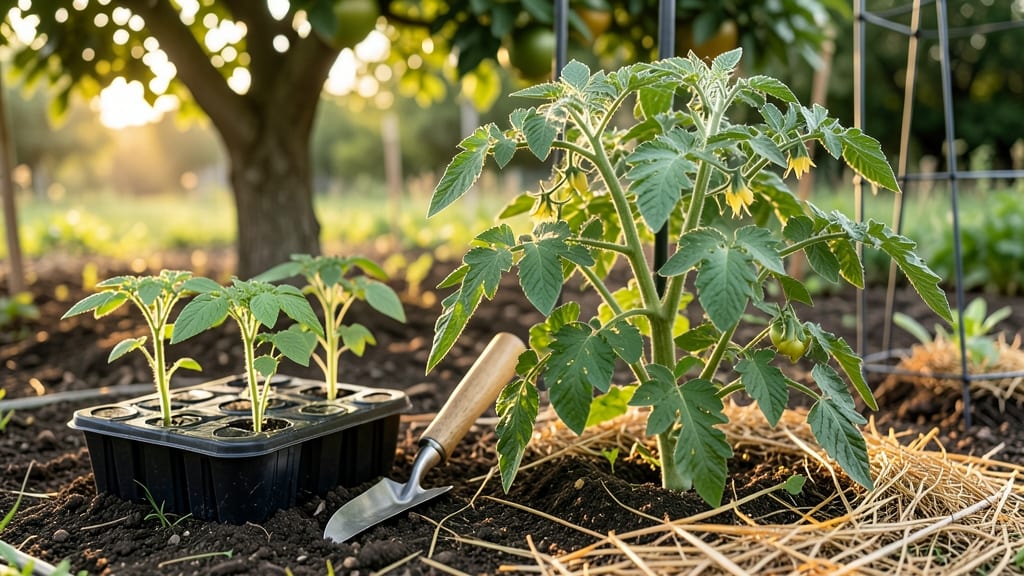
To plant tomato starts in Seattle, aim for mid-April to early June after the last frost—typically around March 15—when soil warms to 55°F and nights stay above 50°F.
Seattle’s unpredictable weather can turn your tomato garden dreams into a guessing game—unless you time your planting perfectly. Missing the ideal window could mean stunted growth or even lost plants, but with the right last-frost date checklist, you’ll maximize your harvest potential.
Most gardeners in Zone 8a wait until late April or early May to transplant seedlings outdoors, giving them a 165-day growing season before the first frost hits. Starting indoors in early March ensures healthy, sturdy plants ready for the garden by spring.
Below, I’ll walk you through the exact timing, soil prep, and transplanting tips to help your 🍅 tomato plants thrive—no matter if Seattle’s rain delays your outdoor move or a late frost sneaks in.
Seattle’s last-frost dates and best planting windows for tomatoes
Seattle’s Zone 8a/8b climate means your tomato plants must navigate late frosts and cool springs before summer heat arrives. The average last-frost date hovers around April 15, but urban heat islands and microclimates can shift this by 1-2 weeks.
Timing is everything—plant too early, and frost will kill tender starts; too late, and your harvest shrinks. Let’s break down the perfect planting windows for Seattle’s tomatoes, whether you’re starting indoors or transplanting outdoors.
Tomatoes thrive when soil temperatures hit 55°F (13°C) and nighttime temps stay above 50°F (10°C). In Seattle, this usually aligns with mid-May for outdoor planting, but indoor starts need an earlier head start. The 165-day frost-free season is tight, so every day counts.
Below, we’ll map out your planting timeline, including adjustments for rainy seasons and urban heat pockets that can give your garden a competitive edge.
📅 Key Dates to Mark:
- March 1–15: Start indoor seeds under grow lights (6–8 hours/day).
- April 15: Average last frost date—but monitor forecasts!
- May 1–15: Harden off transplants and prep outdoor beds.
- June 1: Last chance for outdoor planting (for fast-maturing varieties).
Seattle’s microclimates can create 10°F differences between neighborhoods. Urban areas like Ballard or Fremont often warm up faster due to heat islands, letting you plant 1–2 weeks earlier. Conversely, rainier west-side areas (e.g., Magnolia) may need row covers until late May.
Always check your local weather station—the National Weather Service or Almanac tools are your best friends.
For container gardening, warm soil is key. Use black fabric wrapped around pots to absorb heat, or place containers on south-facing patios. Dwarf varieties like ‘Tiny Tim’ thrive in 5-gallon pots, while larger plants need 10+ gallons. Black pots heat up faster than
How to adjust your planting schedule for Seattle’s rainy season and cool springs
Seattle’s cool springs and persistent rain can turn your tomato planting into a high-stakes game of chance. Young plants struggle with temperature fluctuations and excessive moisture, but with the right adjustments, you can protect your tomato starts and still enjoy a bountiful harvest.
The key is combining hardening-off techniques with protective structures like row covers and cold frames.
First, understand that Seattle’s last frost date typically falls around mid-April, but late frosts can linger into May. If you plant too early, your tender tomato seedlings will suffer.
Instead, opt for late-May planting or use season extenders to safeguard your crop. This gives your plants time to establish strong roots before summer’s warmth arrives.
⚠️ callout warning
⚠️ Don’t Plant Too Early!
Seattle’s late frosts (after April 15) can kill young tomato plants in minutes. Even if soil feels warm, nighttime temps below 50°F stunt growth. Wait until mid-to-late May or use row covers for early starts.
Pro Tip: Check the National Weather Service for your neighborhood’s frost risk—urban areas like Ballard warm faster than Snoqualmie.
To prepare your tomato starts for Seattle’s transition from rain to sun, begin hardening off your seedlings 10-14 days before transplanting. Gradually expose them to outdoor conditions by placing them in a shaded, sheltered spot for a few hours daily, increasing duration each day.
This toughens their cell walls and root systems, making them resilient to wind, rain, and temperature swings.
For extra protection, use floating row covers (made of lightweight fabric) to shield your plants from late frosts and heavy rain. These covers allow sunlight and water to pass through while trapping heat and deflecting chilly winds.
Secure the edges with bricks or soil to prevent pests from nesting underneath. Remove covers during the day in late May to let pollinators access the flowers.
A cold frame is another game-changer for Seattle gardeners. These low, glass-covered structures create a microclimate that warms soil and air by 10-15°F, extending your growing season. Plant your tomato starts in the cold frame 2-3 weeks before your usual outdoor date.
Monitor soil temperature—it should stay above 55°F—and open the frame on warm days to prevent overheating.
Finally, amend your garden soil with organic matter like compost or aged manure to improve drainage and water retention. Seattle’s acidic, clay-heavy soil can suffocate roots if not prepped. Mix in a 50/50 blend of native soil and compost to create a well-aerated, nutrient-rich environment.
Mulch with straw or wood chips to keep roots cool and moisture levels steady during our unpredictable rainy spells.