
Watering
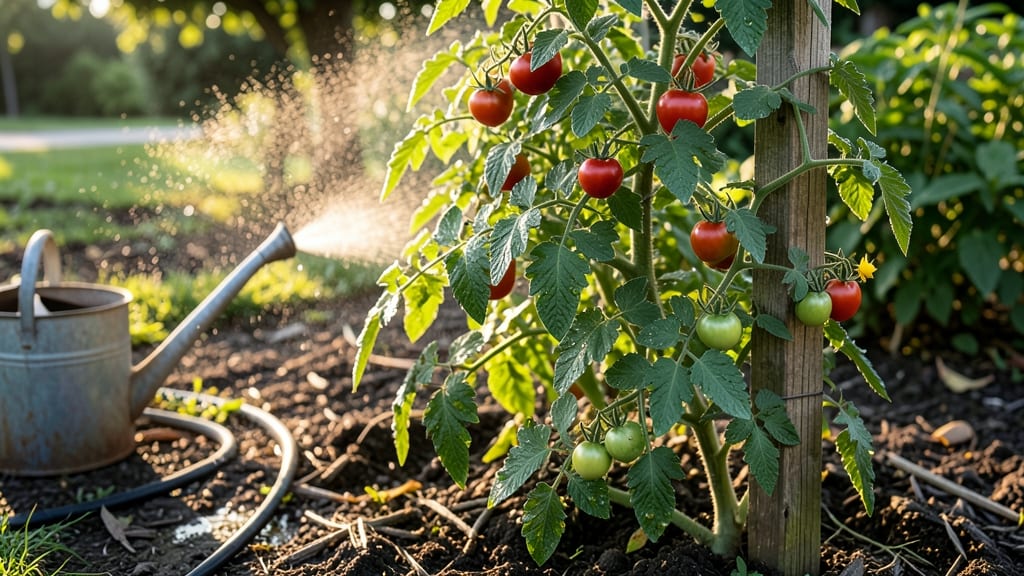
Watering tomato plants in hot weather at the right time keeps them thriving and your harvest plentiful—miss the mark, and you risk stressed vines or cracked fruit.
Struggling to keep your 🍅 tomato plants thriving under scorching summer sun? The right watering schedule can mean the difference between plump, juicy tomatoes and wilted, stressed vines—here’s how to master it.
Most gardeners assume watering in the evening cools plants, but that’s a common mistake. Early morning watering lets moisture soak deep before the heat peaks, reducing evaporation and fungal risks.
In this guide, I’ll break down the best watering times, how to adjust for extreme heat, and signs your plants need more (or less) water—so you can grow tomatoes that taste like summer all season long.
Why early morning watering wins for tomato plants in hot weather
When summer temperatures soar, your tomato plants need consistent moisture, but not all watering times are equal. Early morning watering offers scientific advantages that keep your plants thriving while evening watering can invite problems like blossom-end rot and fungal diseases.
The key lies in understanding how heat and humidity interact with your plants' needs.
Tomatoes thrive with deep, infrequent watering that mimics natural rainfall patterns. When you water in the early morning hours (before 8 AM), you give the soil time to absorb moisture while minimizing evaporation losses.
This approach also helps prevent leaf fungal diseases like early blight by keeping foliage dry throughout the day.
Comparison Table: Morning vs. Evening Watering
| Factor | Early Morning Watering (5-8 AM) | Evening Watering (6-9 PM) |
|---|---|---|
| Evaporation Rate | Low (cooler temps) | High (warmer night air) |
| Fungal Risk | Minimal (foliage dries quickly) | High (moisture lingers overnight) |
| Root Uptake | Optimal (roots absorb moisture) | Reduced (roots inactive at night) |
| Blossom-End Rot Risk | Low (consistent moisture) | High (inconsistent uptake) |
| Natural Cycle Mimicry | Perfect (matches dew cycles) | Disrupts natural patterns |
One of the biggest advantages of morning watering is how it reduces evaporation. During peak summer heat, up to 70% of water can evaporate before it reaches your plants' roots if applied at midday.
Early morning watering ensures moisture penetrates 1-2 inches deep where roots can access it, rather than sitting on the surface.
The natural dew cycle provides a perfect model for tomato watering. Just like morning dew hydrates plants before the sun rises, your early watering gives tomatoes a head start. This method also helps prevent blossom-end rot, a common problem caused by inconsistent calcium uptake during water stress.
Evening watering might seem convenient, but it creates ideal conditions for fungal diseases like early blight and powdery mildew. When moisture lingers on leaves overnight in warm temperatures, spores spread rapidly.
I've seen powdery mildew turn a healthy tomato plant into a white, weakened mess in just days when evening watering was used.
For container-grown tomatoes, early morning watering is even more critical. Pots dry out faster in heat, and evening watering can lead to root rot from poor drainage. Always water containers when the top inch of soil feels dry, typically once daily in extreme heat.
Pro tip: Use mulch around your tomato plants to lock in moisture. Organic mulches like straw or shredded leaves can reduce soil evaporation by up to 30%, giving your morning watering even more impact. The mulch also helps regulate soil temperature, protecting roots from heat stress.
If you must water in the evening due to schedule constraints, limit it to drip irrigation systems that deliver water directly to the soil rather than overhead sprinklers. This minimizes foliage moisture while still providing necessary hydration during critical growth stages.
Remember that consistency matters most. Whether morning or evening, maintain a regular schedule so your tomatoes develop strong root systems that can handle summer's challenges. The key is giving your plants the best possible conditions to thrive under the scorching sun.
Step-by-step early morning watering routine for maximum tomato plant health
Tomatoes are thirsty plants that demand consistent moisture, especially during hot summer months. When temperatures soar, early morning watering (before 8 AM) becomes your secret weapon—it keeps roots cool, reduces evaporation, and prevents fungal diseases like blight.
Unlike evening watering, which can leave foliage damp overnight, morning watering gives your plants a hydrated head start for the day ahead.
I’ve learned the hard way that skipping this routine leads to stressed plants, blossom-end rot, and even stunted growth. The key lies in depth, timing, and tools. Let’s break down the exact steps to keep your tomatoes thriving, even when the mercury climbs.
⏰ Step-by-Step Early Morning Watering Routine
- Step 1: Water before 8 AM
Set your alarm for 6–7 AM to water when temperatures are still cool. This prevents rapid evaporation and ensures water reaches the root zone efficiently.
- Step 2: Water deeply (1–2 inches)
Use your finger to check soil moisture—insert it 1–2 inches deep. If it feels dry, water until moisture reaches that depth. Shallow watering encourages shallow roots, which struggle in heat.
- Step 3: Adjust frequency for extreme heat
When temps exceed 90°F, switch to daily watering. For milder heat (80–85°F), every other day suffices. Always check the top 2 inches of soil first.
- Step 4: Use the right tools
Opt for drip irrigation or soaker hoses to deliver water slowly at the base. Avoid overhead sprinklers, which waste water and promote foliar diseases.
- Step 5: Mulch to retain moisture
Apply 2–3 inches of mulch (straw or wood chips) around plants to lock in moisture and regulate soil temperature. Replenish mulch every 4–6 weeks.
Pro tip: Water at the base of the plant, not the leaves, to avoid fungal spores splashing onto foliage. I’ve seen blight spread in just days when overhead watering was used—don’t make that mistake!
For container-grown tomatoes, check soil moisture more frequently since pots dry out faster. If the top 1 inch feels dry, it’s time to water. Containers also benefit from self-watering systems during heatwaves.
Stick to this routine, and you’ll reward your tomatoes with healthier vines, bigger yields, and fewer pests. The effort pays off in juicy, flavorful fruit—worth every early morning trip to the garden! 🌱