
Plants
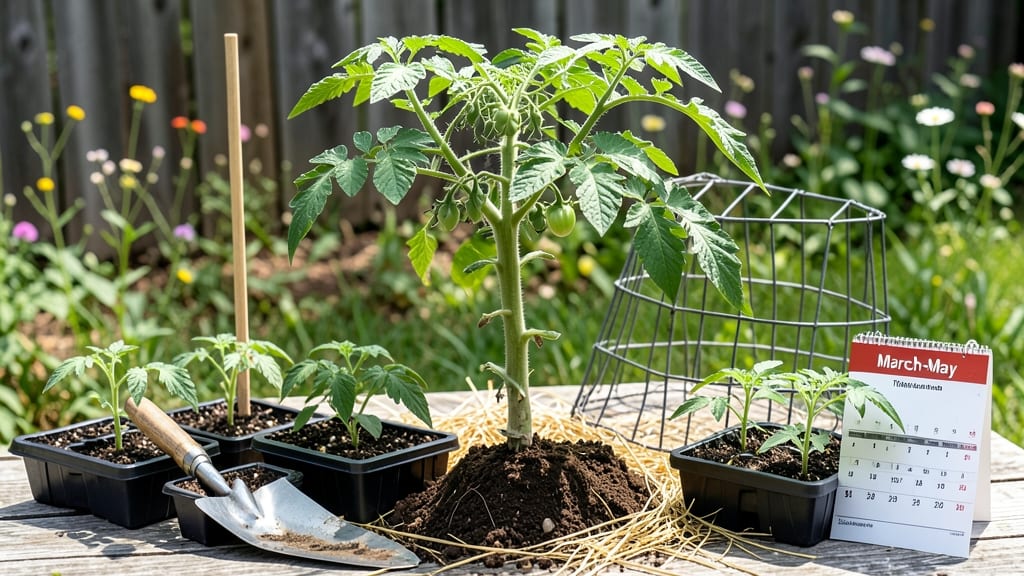
Planting tomato plants in Texas at the right time means the difference between a bountiful harvest and wilted disappointment—especially when heat arrives faster than expected.
Texas gardeners know timing is everything—plant tomatoes too early, and a late frost will wipe them out; too late, and scorching summer heat ruins your harvest. Mastering the perfect planting window means juicier, more abundant tomatoes all season long.
Your location in Texas matters: North Texas gardeners wait until mid-March for safety, while South Texas can start as early as January. The key is soil warmth and nighttime temperatures staying above 50°F—any cooler, and your seedlings will struggle.
Below, I break down the exact dates by zone, the heat-tolerant varieties that thrive here, and pro tips to stretch your harvest through the brutal summer months—no guesswork, just results.
Texas tomato planting zones: exact dates by region (north vs. south)
Texas spans USDA Zones 8a through 10b, creating dramatic differences in frost risk and growing seasons. In North Texas (Zones 7b-8a), late frosts can linger until March 15, while South Texas (Zones 9a-10b) enjoys frost-free winters.
These variations mean your tomato planting window shifts dramatically—get it wrong, and you’ll either lose plants to frost or bake them in summer heat.
For North Texas gardeners, the safest bet is to wait until after April 15 to transplant seedlings, giving young plants time to establish roots before summer’s relentless heat. Meanwhile, South Texas growers can start as early as January 1—but even there, timing matters.
Plant too soon, and heat stress stunts growth; too late, and you miss the peak harvest window before fall rains arrive.
Here’s the key: Soil temperature matters more than calendar dates. Tomatoes thrive when soil stays above 60°F—use a soil thermometer to confirm readiness. In East Texas (Zone 8a), this often aligns with mid-March, while West Texas (Zone 8b) may wait until early April due to drier conditions.
In North Texas, where Zone 7b includes areas like Amarillo, aim to transplant 'Celebrity' tomatoes by April 15. This variety handles heat well but needs time to root before 90°F+ days arrive.
Meanwhile, Central Texas (Zones 8a-8b), like Austin or San Antonio, can start slightly earlier—March 15—to beat the summer rush.
For South Texas (Zones 9a-10b), the game changes entirely. Here, 'Heatmaster' tomatoes thrive when planted by February 1, giving them months to mature before humidity spikes in summer.
The key? Staggered planting: Start a second batch in late July for a fall harvest before first frost risks in December.
Pro tip: Use black plastic mulch in North Texas to warm soil faster and shade cloth (30-50%) in South Texas to protect seedlings from intense afternoon sun. Both tricks extend your planting window by 2-3 weeks—critical in Texas’ extremes.
Don’t forget: Tomatoes hate wet feet. In East Texas’ heavy clay soils, raise beds or use containers to improve drainage. In West Texas’ sandy soils, mulch heavily to retain moisture. These adjustments let you push planting dates by 7-10 days without risking disease.
For organic gardeners, focus on compost-rich soil to buffer temperature swings. Add aged manure in fall for North Texas or worm castings in South Texas to boost microbial activity—both help plants handle temperature fluctuations better.
Remember: Texas heat is brutal on tomatoes after 95°F. If your plants bolt (flower prematurely), switch to shade-tolerant varieties like 'Solar Fire' or use row covers during peak heat.
With the right timing, you’ll harvest juicy, flavorful tomatoes from June through October—no matter where you garden in the Lone Star State.
Heat-tolerant tomato varieties for Texas: best choices and why they thrive
Texas summers hit 100°F+, but some tomato varieties thrive in this heat. The key is selecting heat-tolerant types that resist wilting and disease pressure. My top picks balance flavor, yield, and adaptability to Texas's brutal climate.
These varieties won’t just survive—they’ll produce juicy, flavorful tomatoes even when other plants struggle.
I’ve grown these in Zone 8b-10a for years, and they consistently outperform standard varieties. The secret lies in their thick cuticles (reducing water loss), disease resistance (critical in humid Texas summers), and determinate growth habits (better for heat).
Whether you’re in Dallas or Houston, these tomatoes will reward you with a longer harvest season.
🌱 summary table
Variety
Type
Days to Harvest
Heat Tolerance
Disease Resistance
Best For
Solar Fire
Indeterminate
70-75
Excellent
V, F, N
Long seasons, containers
Arkansas Traveler
Indeterminate
80-85
Very High
V, F, N, T
Hot climates, heirloom flavor
Celebrity
Determinate
65-70
High
V, F, N
Heavy producers, sauce
Heatmaster
Determinate
60-65
Exceptional
V, F, N, T
Extreme heat, containers
Sunmaster
Determinate
55-60
Very High
V, F, N, T
Drought, urban gardens
Let’s dive into why these varieties work so well in Texas. Solar Fire and Arkansas