
Planting
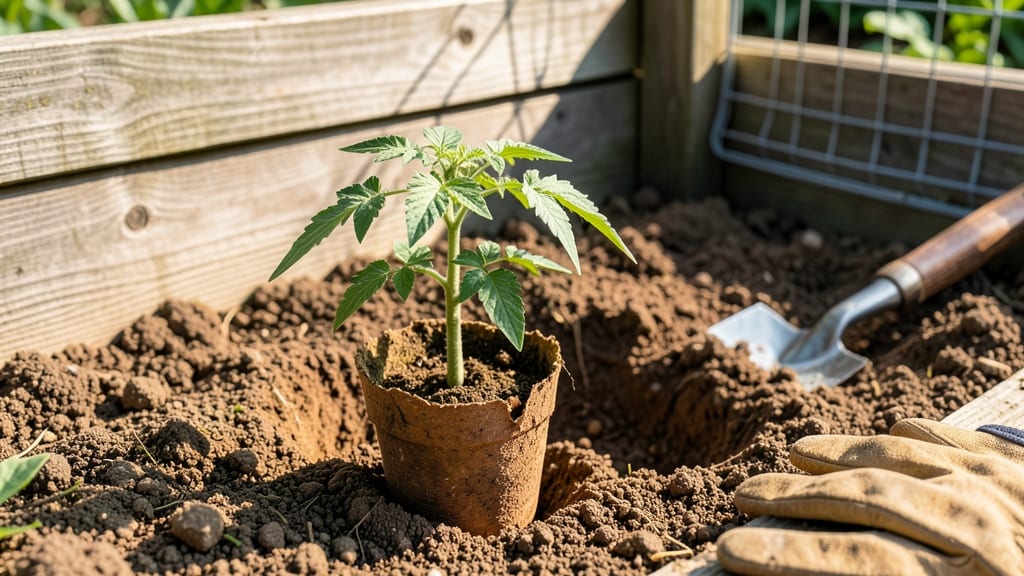
How big should tomato seedlings be before transplanting? That’s the difference between a thriving plant and one that struggles for months. 🌱 The ideal height is 12-18 inches tall with 4-6 true leaves—not the tiny seed leaves—but there’s more to it than just measuring. Hardening off seedlings for 7-10 days before transplanting is just as critical as size. I’ve learned that skipping this step leads to weak, sunburned plants that bolt too early. The soil temperature should also be at least 60°F—any cooler, and roots won’t establish properly. When you do transplant, bury the stem deeper than you think—up to the first set of leaves. This encourages stronger root growth and helps the plant recover faster. You’ll see new root growth along the buried stem within weeks, giving you a sturdy, productive plant. Common mistakes? Transplanting too early (when nights are still chilly) or too late (when seedlings get leggy). Aim for after your last frost date and when seedlings are stocky, not stretched. That’s when you’ll get the best results.
📚 In This Guide
- What you need
- Instructions
- Tips and common mistakes
- Wrapping up and next steps
What you need
- ● Tomato seedlings: 4–6 weeks old, with 2–4 true leaves and a sturdy stem (about 6–12 inches tall).
- ● Garden soil or potting mix: Well-draining, nutrient-rich soil (avoid fresh manure—it can burn seedlings!). Quantity: Enough to fill your planting holes or containers (typically 1–2 gallons per seedling).
- ● Transplanting tools: Trowel or small shovel (for digging holes).
- ● Watering can or hose with a gentle spray nozzle.
- ● Gloves (to protect your hands from soil and thorns).
- ○ Support structures (optional but recommended): Stakes (5–6 feet tall for indeterminate varieties).
- ● Cages or trellises (for bush or determinate types).
- ● Fertilizer: Balanced, water-soluble fertilizer (e.g., 10-10-10) or compost. Tip: Mix a light dose (½ strength) into the planting hole.
- ● Mulch: Straw, grass clippings, or shredded leaves (to retain moisture and suppress weeds).
- ● Weather: Transplant on a cloudy day or late afternoon to reduce stress from direct sunlight.
- ● Temperature: Soil should be at least 55°F (13°C)—tomatoes hate cold!
- ● Location: Choose a spot with 6–8+ hours of sunlight daily and good air circulation.
- ● Preparation: Loosen soil in planting areas to improve root growth.
- ● Pruning shears (to trim damaged leaves or leggy stems).
- ● Epsom salt (1 tablespoon per gallon of water) for a magnesium boost if seedlings look pale.
- ● Plant tags or markers (to label varieties and track growth).
- ● Shade cloth (if transplanting in scorching heat).
Step-by-Step guide to determining when tomato seedlings are ready for transplanting
Here’s how I judge transplant readiness—based on leaf count, stem strength, and root signals—not just height.
🌱 Step 1: Count the Leaves for Optimal Transplant Timing
Tomato seedlings should have 3-4 true leaves before transplanting—those are the second set of leaves after the initial seed leaves (cotyledons). You’ll know them by their smaller size, serrated edges, and more complex shape. I always count leaves with a flashlight under the plant; the angle helps me spot hidden growth.
If seedlings have fewer than 3 true leaves, they lack the energy reserves to handle transplant shock. Waiting until they reach this stage ensures stronger roots and faster recovery. Real talk: I’ve transplanted too early, and those plants struggled for weeks catching up.
☀️ Step 2: Assess Stem Strength and Height
A healthy tomato seedling’s stem should be thick and sturdy, not spindly or bending toward light. The ideal height is 6-12 inches tall—taller plants are leggy and weak, while shorter ones may not have developed enough roots. I press the stem gently between my fingers; if it snaps easily, it’s not ready.
Leggy seedlings (those stretching toward light) often have weak stems because they weren’t getting enough light early on. If you see this, don’t rush transplanting—harden them off first and provide stronger light. The goal is a compact, bushy plant, not a tall, wobbly stalk.
🪴 Step 3: Check Root Development Before Transplanting
Gently squeeze the pot to check for roots circling the bottom or growing through drainage holes—this means the seedling is root-bound and ready for a larger space. If roots are sparse or only filling half the pot, wait another week. I also look for new growth at the base of the stem, which signals active root expansion.
Transplanting too soon when roots are underdeveloped stresses the plant, causing wilting or stunted growth. Here’s the thing—if you see roots growing out of the pot, act within 24 hours to avoid root damage from overcrowding.
⏰ Step 4: Time Your Transplant Based on Weather and Growth Stage
Transplant 2-3 weeks before your last frost date, but only when nighttime temperatures stay above 50°F. Seedlings this size handle cooler temps better than younger ones. I monitor the forecast and adjust—if frost is predicted, I cover seedlings with row fabric instead of transplanting early.
Hardening off is critical here: expose seedlings to outdoor conditions for 5-7 days before transplanting, increasing time gradually. Watch for wilting or leaf drop—these are signs they’re not ready. Strong seedlings bounce back from a few hours outside, but weak ones show stress immediately.
Tips & tricks for perfect tomato seedling transplant timing
Common pitfalls—and how to sidestep every one when transplanting tomato seedlings.
Leaf Count Clarity: The 3-4 true leaves rule is non-negotiable, but here's what I learned the hard way: those "true leaves" are the second set after the initial seed leaves (cotyledons). I once transplanted seedlings with only cotyledons—big mistake! They wilted within days. Use a flashlight to check for hidden leaves at the base; you'll spot them better with angled light than direct overhead.
Stem Strength Test: That gentle finger-press test in Step 2 reveals everything about stem strength. If the stem snaps easily, it's not ready—no amount of wishful thinking will help. For extra confidence, look for a stem diameter of about 1/8 inch at the base. I've found that seedlings with stems thicker than this handle transplanting like champs, even in slightly cooler weather.
Root Development Urgency: The 24-hour window for transplanting when roots escape the pot is tighter than you think. I've seen roots grow through drainage holes within 12 hours in hot conditions. When this happens, transplant immediately—even if other signs aren't perfect. The root-bound stress will kill seedlings faster than transplant shock if you wait too long.
Weather Timing Strategy: Those 50°F nighttime temperatures are the absolute minimum for safe transplanting. I always check the 5-day forecast before scheduling my transplant day. If frost is predicted within 3 days, I'll either delay transplanting or use row fabric to protect seedlings overnight. The goal is to avoid the shock of sudden temperature drops after transplanting.
Pro Tips for How Big Should Tomato Seedlings Be Before Transplanting
- Common pitfalls—and how to sidestep every one when transplanting tomato seedlings.
- Leaf Count Clarity: The 3-4 true leaves rule is non-negotiable, but here's what I learned the hard way: those "true leaves" are the second set after the initial seed leaves (cotyledons).
- Stem Strength Test: That gentle finger-press test in Step 2 reveals everything about stem strength.
Frequently asked questions
Got questions about transplanting tomato seedlings? You’re not alone! Here are answers to the most common concerns to help you grow strong, healthy plants.
How do I know if my seedlings are ready to transplant?
Look for 3-4 true leaves (not just seed leaves) and a sturdy stem about 6-12 inches tall. Seedlings should also be thick as a pencil and have a good root system. If they’re leggy or weak, they may need more light or time.
What if my seedlings are too small to transplant?
If they’re under 6 inches tall or lack true leaves, hold off! Transplanting too early stresses plants. Instead, harden them off (acclimate to outdoor conditions) and keep them in containers until they’re bigger. Use grow lights if needed to speed up growth.
Can I transplant seedlings that are too tall or leggy?
Yes, but bury them deeper—up to the first set of leaves—to encourage stronger root growth. Trim leggy stems slightly (but not too much) to promote bushiness. Avoid transplanting in extreme heat or cold; aim for 55–75°F soil temps for best results.
Should I transplant seedlings at night to avoid stress?
Transplanting in the early morning or late afternoon is ideal to reduce stress from heat and wind. Avoid midday sun, which can shock delicate seedlings. Water them thoroughly before and after transplanting to help roots establish faster.
What if my seedlings look weak or yellow after transplanting?
Yellowing leaves or wilting can mean transplant shock or overwatering. Let the soil dry slightly between waterings and provide partial shade for a few days. If pests (like aphids) are present, treat with neem oil or insecticidal soap.
Wrapping up and next steps
Transplanting tomato seedlings at the right size—typically 12 to 18 inches tall with 3-5 sets of true leaves—sets the stage for a bountiful harvest. 🌱 By giving them a sturdy start and proper care, you’re investing in healthier plants that thrive in their permanent home.
Now’s the perfect time to roll up your sleeves: harden off your seedlings, prep your garden beds, and transplant with confidence! Your future juicy tomatoes are just a few steps away.