
Plants
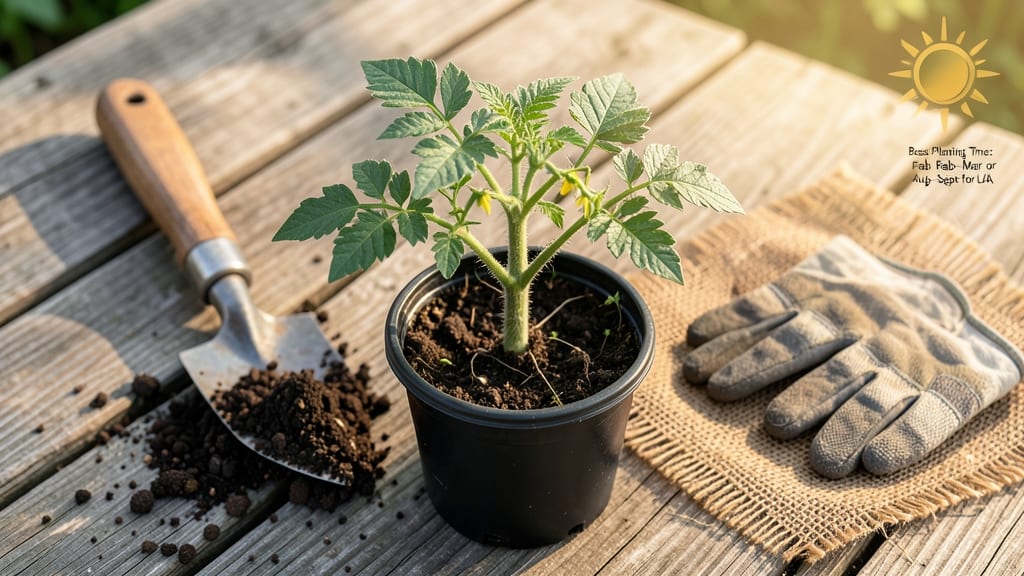
Tomato plants in Los Angeles thrive when planted between February and March for spring harvests or August to September for fall yields—timing that avoids the brutal summer heat and stretches your garden’s productivity.
Picture this: you’re eyeing those sun-ripened tomatoes at the farmers’ market, wondering why yours never make it that far. The answer? Planting too late means your tomatoes face heat stress before they even set fruit, while starting too early risks weak seedlings in LA’s unpredictable spring weather.
With no frost to worry about in Zone 10a, the real challenge is heat—soil temps above 85°F can kill young plants, and summer’s intensity cuts harvests short. But get the timing right, and you’ll enjoy continuous production from May through October (or even into December with fall planting).
Below, I’ll break down the exact windows for your favorite varieties, how to prep soil for LA’s microclimates, and the one trick that adds 4 extra weeks to your harvest season—no matter where you garden in the city.
Los Angeles tomato planting calendar: best months by variety type
Los Angeles gardeners enjoy year-round tomato growing thanks to its frost-free climate, but timing still matters. The key is balancing soil warmth and heat tolerance—plant too early and risk blossom drop, too late and face summer heat stress.
With two main planting windows, you can harvest tomatoes from spring through fall.
Unlike colder regions, LA's USDA Zone 10a lets you plant tomatoes in both spring and fall. However, heat-tolerant varieties perform best in summer, while indeterminate types thrive in cooler spring/fall months. Let's break down the ideal planting calendar by variety to maximize your harvest.
For spring planting, start with transplants in February when soil temperatures hit 60°F. This gives indeterminate varieties like 'Brandywine' enough time to establish before summer heat arrives. Direct sowing in March works for cherry tomatoes but risks slower establishment in cooler coastal areas.
LA's microclimates create opportunities—coastal areas can plant 1-2 weeks earlier than inland zones. If you're in Santa Monica, aim for late February transplants, while San Fernando Valley gardeners should wait until early March to avoid cooler night temperatures.
Fall planting offers a second harvest window with August-September being ideal. Heat-tolerant varieties like 'Solar Fire' thrive in these months, while heirlooms may need afternoon shade to prevent sunscald. Always test soil temperature—it should reach 65°F+ for reliable germination.
Pro tip: Mulch heavily after planting to maintain consistent soil temps. Use straw or wood chips to keep roots cool in summer and warm in fall. This simple step can extend your harvest by 3-4 weeks by preventing stress from temperature swings.
Remember that LA's summer heat (often exceeding 90°F) can stress tomato plants. If planting in late spring, choose heat-tolerant varieties and provide afternoon shade until plants acclimate. Drip irrigation is your best friend during these months to prevent leaf burn.
For container gardening, adjust timing by 1-2 weeks—pots heat up faster and dry out quicker. Plant dwarf varieties in late February for spring harvests or early September for fall crops. Always use well-draining potting mix with added compost to prevent root stress.
Track your local microclimate patterns—some years, Santa Ana winds arrive early, drying out soil faster. If you notice unusually hot winds in May, delay planting heat-sensitive varieties until June when temperatures stabilize slightly.
With this variety-specific calendar, you can enjoy homegrown tomatoes year-round in LA. Start with one variety per season, master the timing, then expand your tomato diversity as you gain confidence. Happy planting! 🌱
How to adjust planting times for Los Angeles heat waves and coastal breezes
Los Angeles' unique climate—where coastal breezes meet inland heat—can make tomato planting tricky. While we don’t have frost to worry about, Santa Ana winds and sudden heat spikes can stress your plants if you’re not prepared.
The key is flexible timing and protective strategies to shield your tomatoes from extreme conditions.
For spring planting, aim for late February to early March when soil temperatures hit 60°F+. But if you’re in a coastal microclimate, cooler breezes might delay planting until March.
Meanwhile, fall planting in August-September lets you avoid the brutal summer heat while still enjoying a harvest before winter.
⚠️ WARNING: Heat Stress Risk
Planting Tomatoes in LA’s Heat Waves
Never plant during 90°F+ heat waves—seedlings will bolt (go to flower too quickly) or develop sunscald. If you must plant in summer, use shade cloth (30-50%) for the first 2 weeks. Coastal areas stay cooler, but inland gardens can see 110°F+ soil temps, which kills roots.
Pro Tip: Test soil temp with a thermometer—ideal range is 60-75°F. If it’s hotter, wait or use black plastic mulch to warm roots gradually.
To extend your growing season, try succession planting every 2-3 weeks in spring and fall. This ensures a steady supply of tomatoes while minimizing exposure to peak heat stress.
For example, plant heat-tolerant varieties like 'Solar Fire' or 'Heatmaster' in late spring for a summer harvest, then switch to cooler-season types like 'Roma' in fall.
Mulching is non-negotiable in LA. Use 3-4 inches of organic mulch (straw or wood chips) to retain moisture and regulate soil temperature. This is especially critical in windy coastal areas, where mulch prevents roots from drying out.
Pair mulch with drip irrigation to deliver water directly to roots, reducing evaporation losses.
Don’t forget about wind protection! Coastal gardens often face strong breezes that can stunt growth. Use windbreaks like bamboo screens or plant tall companion plants (like corn or sunflowers) on the windward side. For container tomatoes, place pots near fences or walls to shield them from gusts.
Finally, monitor your plants for heat stress signs: yellowing leaves, wilting despite moist soil, or blossoms dropping without setting fruit. If you see these, provide afternoon shade with a temporary shade cloth and increase watering frequency. With these adjustments, you can harvest tomatoes year-round in LA’s unpredictable climate! 🌱