
Plants
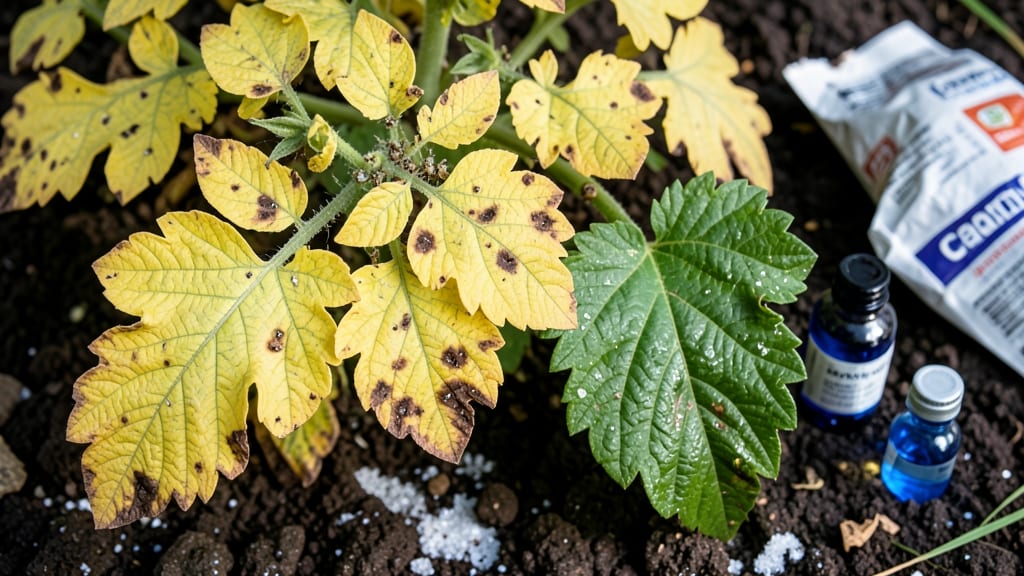
What makes tomato plant leaves turn yellow? The first step is figuring out why—because the fix depends entirely on the cause. 🌱 I’ve seen everything from overwatered roots to hidden pests, and each one needs a different approach. The good news? Most yellowing leaves are fixable with simple adjustments, and your plants can bounce back faster than you think.
Yellowing often starts with the older leaves first—this is classic nitrogen deficiency, where your plant can’t support new growth. But watch for patterns: yellow between veins? That’s magnesium. Brown spots with yellow halos?
Early blight. And if the yellowing spreads quickly with sticky residue, aphids are likely the culprits. Each problem has a distinct look, and knowing the difference saves time and frustration.
Once you identify the issue, the fix is straightforward. For nutrient deficiencies, a balanced fertilizer or Epsom salt (for magnesium) works wonders. Fungal diseases need pruning and fungicide, while pests respond to neem oil or insecticidal soap.
The key is acting fast—before the problem spreads to the fruit. Your plants will thank you with vibrant green leaves and a bumper crop.
Prevention is easier than fixing: test your soil, water consistently, and monitor plants regularly. A little attention now means fewer surprises later. Let’s get those leaves back to their healthy green selves!
Common Causes Of Leaf Discoloration
When your tomato plant leaves start turning yellow, it’s often a cry for help—whether from environmental stress, poor nutrition, or unseen pests. Understanding the root causes (pun intended!) helps you take swift, targeted action.
Below, we break down the most frequent reasons why your tomato plant’s leaves lose their vibrant green hue, along with the science behind each issue.
Tomato plants thrive in well-drained soil, but too much water—especially when drainage is lacking—can suffocate roots. When roots sit in soggy soil, they struggle to absorb oxygen, leading to anaerobic conditions. This triggers a cascade of problems:
- Chlorosis (yellowing): The plant can’t transport nutrients (like magnesium and iron) efficiently, causing older leaves to yellow first.
- Root rot: Fungal pathogens like Phytophthora thrive in waterlogged soil, further blocking nutrient uptake.
- Toxic buildup: Excess water leaches nutrients but also traps harmful salts, stressing the plant.
Actionable fix: Test your soil’s drainage by pouring water into a pot—if it pools after 30 minutes, amend with perlite or sand. Water only when the top 1–2 inches of soil are dry.
Yellow leaves are often a nutritional red flag. Different deficiencies target specific parts of the plant:
| Deficiency | Symptoms | Why It Happens |
|---|---|---|
| Nitrogen (N) | Yellowing starts on older leaves (bottom-up), stunted growth. | Nitrogen fuels chlorophyll production. Without it, leaves can’t synthesize enough for photosynthesis. |
| Magnesium (Mg) | Yellow interveinal patterns (between veins) on mature leaves. | Magnesium is central to chlorophyll. Deficiency disrupts its function, causing yellowing even if veins stay green. |
| Iron (Fe) | Young leaves turn pale yellow (chlorosis), veins remain green. | Iron helps produce chlorophyll. In alkaline soils, iron becomes unavailable to roots, despite being present. |
| Potassium (K) | Yellowing on leaf edges (scorching), weak stems. | Potassium regulates water and nutrient transport. Deficiency leads to cellular breakdown, especially in leaf margins. |
Actionable fix: Conduct a soil test to identify deficiencies. For quick relief, use chelated iron (for Fe deficiency) or a balanced fertilizer like 10-10-10. For Mg, apply Epsom salt (1 tbsp per gallon of water, sprayed on leaves).
While overwatering is common, underwatering or high temperatures can also trigger yellowing. Here’s how:
- Water stress: When soil dries out, roots can’t absorb nutrients or water efficiently. Leaves wilt and turn yellow, often starting at the tips.
- Transpiration overload: Hot, dry air increases water loss through leaves faster than roots can replenish it, causing oxidative stress and yellowing.
- Root damage: Prolonged drought weakens roots, reducing their ability to uptake nutrients like nitrogen.
Actionable fix: Water deeply 1–2 times per week (depending on climate), aiming for 1–1.5 inches of water. Mulch with straw or wood chips to retain moisture. For heat stress, provide afternoon shade with a lightweight shade cloth (30–50% block).
Hidden invaders can drain nutrients and disrupt leaf function, leading to yellowing. Common culprits include:
- Spider mites: These tiny pests suck sap, causing stippling (tiny yellow dots) and webbing on undersides of leaves.
- Aphids: Clustered on new growth, they inject toxins that distort leaves and turn them yellow.
- Fungal infections (e.g., early blight): Fungi like Alternaria solani create dark spots with yellow halos, blocking photosynthesis.
- Root-knot nematodes: Microscopic worms damage roots, reducing nutrient absorption and causing generalized yellowing.
Actionable fix: Inspect leaves (especially undersides) for pests. Spray with neem oil or insecticidal soap for mites/aphids. For fungal issues, remove infected leaves and apply copper fungicide. Rotate crops yearly to prevent nematodes.
The pH of your soil directly affects nutrient availability. Tomato plants prefer a slightly acidic to neutral pH (6.0–7.0). Outside this range:
- Alkaline soil (pH >7.0): Locks out iron, manganese, and zinc, causing chlorosis (yellowing between veins).
- Acidic soil (pH <5.5): Increases aluminum and manganese toxicity, burning roots and limiting nutrient uptake.
Actionable fix: Test your soil’s pH with a kit. To lower pH, add sulfur or peat moss. To raise pH, mix in lime. For quick iron availability, use chelated iron supplements.
Revive Your Tomato Plant Now
Yellowing tomato leaves don’t have to mean the end of your harvest—with the right fixes, you can nurse your plant back to health and even prevent future issues. Below are practical, step-by-step solutions tailored to the most common causes of yellowing leaves, plus pro tips to keep your tomatoes thriving.
🔥 Signs: Yellowing between leaf veins, soggy soil, wilting despite water. 🌱 Fix It: 1. Stop watering immediately—let the soil dry out for 2–3 days to prevent root rot.
- Check drainage: If your pot lacks holes or soil stays waterlogged, repot into a container with drainage holes or amend heavy soil with perlite/sand.
- Water deeply but less often: Use the "finger test"—stick your finger 1–2 inches into the soil. Water only when it’s dry.
- Improve airflow: Space plants 18–24 inches apart to reduce humidity around leaves.
💡 Prevention Tip: Use self-watering pots with moisture sensors or mulch (straw/shredded leaves) to retain moisture without overdoing it.
🍳 Signs: Yellowing lower leaves (older leaves first), stunted growth, pale stems. 👨🍳 Fix It: 1. Test your soil: Grab a DIY soil test kit (or send a sample to a local extension office) to confirm deficiencies.
- Add balanced fertilizer: - For nitrogen (N) deficiency (yellow lower leaves): Use a 5-10-10 fertilizer or composted manure.
Apply ½ cup per 10 sq ft around the base (not touching leaves). - For magnesium (yellow patches between veins): Sprinkle Epsom salt (1 tbsp per gallon of water) every 2 weeks. - **For iron (yellow new leaves): Use chelated iron (available at garden centers) or spray with a citric acid solution (1 tsp citric acid + 1 gallon water).
- Top-dress with compost: Mix 2–3 inches of compost into the topsoil to replenish organic matter.
💡 Pro Tip: Fish emulsion (1-2-2 ratio) is a great all-purpose feed—mix 1 tbsp per gallon of water and apply every 2 weeks during growing season.
🔪 Signs: Yellowing + holes, sticky residue, white/cottony growth, or black spots. ⏰ Fix It: 1. Identify the culprit: - Aphids/spider mites: Tiny yellow specks, webbing, or sticky "honeydew." - Whiteflies: White moths fluttering when you shake the plant. - Fungal issues (early blight): Yellow spots with concentric rings.
- Treat immediately: - Pests: Spray with neem oil (1 tsp + 1 quart water + drop of dish soap) every 5–7 days until gone. - Fungus: Remove infected leaves, then spray with copper fungicide or a baking soda mix (1 tbsp baking soda + 1 quart water + 1 tsp oil).
- Prevent reinfection: - Rotate crops yearly (don’t plant tomatoes in the same spot). - Water at the base (avoid wetting leaves to reduce fungal spores). - Prune regularly to improve airflow.
💡 Prevention Tip: Companion plants like basil, marigolds, or garlic repel pests—plant them nearby!
🌡️ Signs:** Yellowing upper leaves, crispy edges, wilting in heat. 🎯 Fix It:
- Provide afternoon shade: Use a lightweight shade cloth (30–50%) if temps exceed 90°F (32°C).
- Mulch heavily: Apply 3–4 inches of straw or wood chips to retain moisture and cool roots.
- Water deeply in the morning: Aim for 1–1.5 inches per week (more in extreme heat).
- Adjust planting time: If you’re in a hot climate, start seeds indoors and transplant after the last frost.
💡 Pro Tip: Drip irrigation keeps leaves dry and delivers water directly to roots—better than overhead sprinklers in heat.
✨ Signs: Yellowing all leaves, slow growth, wilting after moving. 🌱 Fix It:
- Give it time: Transplant shock can take 1–2 weeks to resolve—don’t fertilize during this period.
- Keep soil moist (not soggy): Water gently every other day until new growth appears.
- Support the plant: Use a small stake to prevent wind damage while roots adjust.
- Avoid stress: Don’t move it again until leaves regain color.
💡 Prevention Tip: Hardening off seedlings (acclimating them to outdoor conditions over 5–7 days) reduces shock when transplanting.
Final Reminder: Most yellowing is fixable—act quickly, and your tomato plant will bounce back! For persistent issues, consult a local nursery or extension service for a soil test. 🍅💚
Frequently asked questions
Why do my tomato plant's oldest leaves turn yellow first?
This is usually a sign of nitrogen deficiency or natural leaf senescence (aging). Tomato plants prioritize nutrients to new growth, so older leaves yellow and drop when nitrogen is limited. Check for pale stems or stunted growth—if present, apply a balanced fertilizer like 10-10-10.
Can yellow leaves spread to the fruit?
Not directly, but severe nutrient deficiencies or diseases causing yellowing can weaken the plant enough to reduce fruit quality. For example, magnesium deficiency (yellow patches between veins) won't harm tomatoes directly, but nitrogen deficiency may lead to smaller harvests. Focus on fixing the root cause to maintain plant vigor.
How do I tell if yellow leaves are from overwatering vs. underwatering?
Overwatered plants show yellowing with soggy soil, wilting despite moisture, and often a foul smell. Underwatered plants have crispy yellow edges, dry soil pulling away from pot sides, and may wilt in the afternoon. Stick your finger 1-2 inches deep—if dry, it's thirsty; if damp, you're overdoing it.
Will pruning yellow leaves help my tomato plant?
Yes, but selectively! Remove only severely yellow or diseased leaves to redirect energy to healthy growth. Avoid over-pruning—never remove more than 1/3 of the foliage at once. Focus on leaves below the first flower cluster, as they compete with fruit production.
Could my yellow leaves be from last year's fertilizer?
Old fertilizer salts can build up in soil, creating a nutrient imbalance that stresses plants. If you notice yellowing after heavy fertilization, flush the soil with 3-4 inches of water to leach out excess salts. For future seasons, use slow-release fertilizers or compost instead.