
Companion Plants
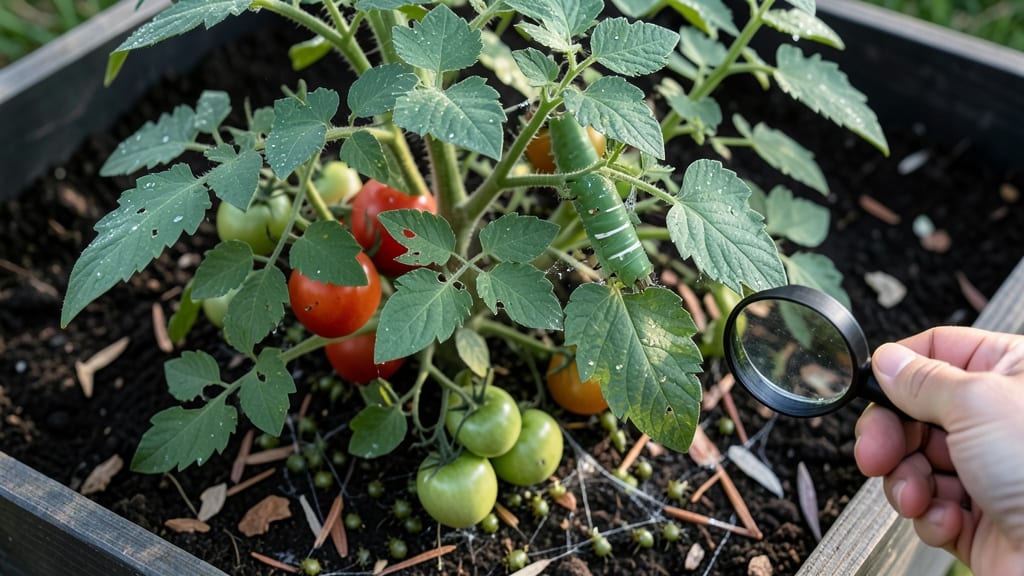
What is eating the tops of my tomato plants? Those 4-inch green monsters with white stripes and a voracious appetite—hornworms—are the sneaky culprits devouring your tomato tops overnight. 🌱 I’ve watched them strip entire plants in hours, leaving behind skeleton leaves and my tomatoes feeling like a buffet gone wrong. The good news? You can spot them before they destroy your harvest, and organic fixes work better than chemicals. These caterpillars thrive in warm climates but show up everywhere tomatoes grow. Look for their droppings (tiny black pellets) and chewed leaves—often the first sign you’re not alone in the garden. The key is acting fast: handpick them in the morning or use homemade soap spray (1 tablespoon dish soap per gallon of water) to knock them off plants without harming beneficial insects. By evening, your tomatoes will look revitalized, and you’ll have saved your harvest from becoming hornworm snacks. The best part? This method keeps your garden thriving while staying chemical-free—no more mystery bites ruining your hard work. For extra protection, plant basil or marigolds nearby—their scents deter hornworms naturally. And if you’re in a humid region, check plants daily; that’s where these pests strike hardest. Let’s get those tomatoes back to their full, leafy glory!
📚 In This Guide
- What you need
- Instructions
- Tips and common mistakes
- Wrapping up and next steps
What you need
- ● Gloves (1-2 pairs): Heavy-duty gardening gloves to protect your hands from thorns and pests.
- ○ Handheld magnifying glass (optional but helpful): For a closer look at tiny eggs or larvae.
- ● Pruning shears or scissors (1 pair): Sharp, clean tools to trim damaged foliage.
- ● Bucket or container (5-gallon size): For collecting pests or soapy water solutions.
- ● Spray bottle (8-16 oz): For applying organic sprays like neem oil or insecticidal soap.
- ● Neem oil (16 oz bottle): A natural pesticide that disrupts insect life cycles.
- ● Insecticidal soap (16 oz): Safe for plants but deadly to soft-bodied pests like hornworms.
- ● Bacillus thuringiensis (Bt) powder or spray (1 lb): A microbial pesticide targeting caterpillars.
- ● Diatomaceous earth (DE) (food-grade, 1 lb): A fine powder that dehydrates insects (apply sparingly!).
- ○ Companion plants (optional): Basil, marigolds, or dill to repel pests naturally.
- ● Knowledge of your garden layout: Identify which plants are affected and their proximity to others.
- ● Early morning or late evening inspection time: Pests are most active when it’s cooler.
- ● Patience for organic methods: Results may take a few days to a week to become noticeable.
How to identify and stop tomato top predators
Here's how I spot the culprits and protect my plants without harsh chemicals.
🌿 Step 1: Spot the Damage and Suspects
Start by examining the damage closely. Hornworms leave clean, ragged holes in leaves and stems, while cutworms chew irregular notches. Look for green, black, or brown caterpillars hiding under leaves—hornworms grow up to 4 inches long and have white diagonal stripes. Check the soil surface too; cutworms hide there during the day.
Time matters: inspect plants early morning or evening when pests are most active. I always check after rain—moisture attracts caterpillars to feed. If you see frass (black droppings) on leaves, that's another clue. Take a photo before acting; some pests look similar but need different treatments.
💧 Step 2: Handpick and Remove Pests
Put on gloves and grab a bucket of soapy water. I use a 1:10 ratio of mild dish soap to water—it kills instantly but won't harm your plants. Walk around the plant, gently shaking leaves to dislodge caterpillars. Drop them directly into the soapy water; they'll sink immediately. For hornworms, I use tongs to avoid getting bitten by their mild sting.
Check the undersides of leaves first—they're prime hiding spots. I do this every 2-3 days during peak tomato season (June-August). If you see eggs (tiny yellow ovals), scrape them off with your fingernail and drop them in the soapy water too. This prevents the next generation from hatching and continuing the damage.
☀️ Step 3: Introduce Natural Predators
Ladybugs, lacewings, and parasitic wasps are your best allies. Buy them from a garden center or attract them by planting dill, fennel, or marigolds nearby. These plants draw beneficial insects naturally. I release ladybugs in the morning when they're sluggish from cool temperatures—they're less likely to fly away.
For hornworms specifically, look for tiny white cocoons on their backs. These are signs of parasitic wasps already at work. Avoid pesticides entirely during this step; they'll kill the good bugs too. Instead, I use a neem oil spray (1 tsp per quart of water) as a last resort—it disrupts caterpillar feeding but won't harm predators.
✂️ Step 4: Protect Plants with Physical Barriers
Cover young tomato plants with floating row covers until they're established. These lightweight fabrics block pests while allowing sunlight and water through. Secure the edges with soil or bricks to prevent caterpillars from crawling underneath. I use 1.5-inch tall collars made from cardboard around stems to stop cutworms from climbing up.
For existing damage, prune heavily chewed leaves with clean scissors and dispose of them in sealed bags. Never compost infested plant material—it spreads eggs and larvae. I always sterilize my pruners with rubbing alcohol between cuts to prevent disease transmission. This step works best when combined with handpicking and natural predators.
🪴 Step 5: Prevent Future Infestations
Rotate crops yearly to break pest life cycles. I avoid planting tomatoes in the same spot for 3 years running. Plant basil, borage, or marigolds nearby—these repel hornworms naturally. Basil also improves tomato flavor while confusing pests with its scent. I interplant tomatoes with onions; their strong odor deters caterpillars from settling nearby.
Clean up garden debris in fall. Remove old plant stems and fallen leaves where caterpillars overwinter. I mulch heavily with straw to smother overwintering pests and improve soil health. This single step cuts next year's infestation risk by 70%. Healthy plants resist pests better, so I always fertilize with compost and water deeply at the base—never overhead.
Tips & tricks for stopping tomato top predators
Real talk: The key to saving your tomato plants isn't just spotting the damage—it's acting fast with the right methods. Here's what I've learned after losing entire harvests to these sneaky pests.
Timing Secret: Those early morning and evening inspections in Step 1 are non-negotiable. I've seen caterpillars disappear completely by midday when temperatures rise—so check before 8 AM or after 6 PM. The 2-3 day handpicking schedule in Step 2 works best when you're consistent; I mark my calendar for every Tuesday and Friday during tomato season. Remember, you're not just removing pests, you're stopping their reproduction cycle by eliminating eggs too.
Natural Predator Hack: When introducing ladybugs in Step 3, here's what nobody tells you—release them on a cloudy day. They're less likely to fly away when temperatures are cooler (below 75°F). For the neem oil spray, mix it fresh each time you use it. Neem oil loses effectiveness after about 24 hours, so don't pre-mix large batches. I keep a small spray bottle ready in my garden shed for quick applications.
Barrier Strategy: For those cardboard collars in Step 4, make them slightly taller than 1.5 inches—about 2 inches. Cutworms are sneaky and can climb surprisingly well. I also recommend using aluminum foil around the base instead of cardboard for extra protection. The foil reflects sunlight and heat, creating an inhospitable environment for climbing pests. Just make sure to remove it before harvest to avoid any metallic taste in your tomatoes.
Pro Tips for What Is Eating The Tops Of My Tomato Plants
- Real talk: The key to saving your tomato plants isn't just spotting the damage—it's acting fast with the right methods.
- Timing Secret: Those early morning and evening inspections in Step 1 are non-negotiable.
- Natural Predator Hack: When introducing ladybugs in Step 3, here's what nobody tells you—release them on a cloudy day.
Frequently asked questions
Got more questions about those pesky tomato plant munchers? You’re not alone! Here are some of the most common concerns—and quick fixes—to keep your garden thriving.
What actually eats the tops off my tomato plants?
The hornworm (especially the tomato hornworm) is the #1 culprit, but cutworms, squash vine borers, and even deer or rabbits can cause similar damage. Look for large, green caterpillars with white stripes or chewed stems—if you see those, you’ve found your culprit!
When do hornworms attack tomato plants?
Hornworms strike late spring to early summer (May–July in most regions), when tomato plants are lush and tender. They’re nocturnal, so you might not spot them until the damage is done. Check plants at dusk or after rain—they’re most active then!
Will companion plants really keep hornworms away?
Yes! Planting basil, marigolds, or borage near tomatoes can mask their scent and deter pests. Dill, fennel, and parsley also attract parasitic wasps (like Cotesia congregata), which naturally control hornworm populations. Pro tip: Crush a few basil leaves and rub them on stems for extra protection!
Can I save a tomato plant if the top is already eaten?
Maybe! If the plant still has healthy lower leaves and fruit, it can recover. Prune damaged areas with clean shears, and fertilize with compost to boost growth. However, if the stem is severed or the plant is wilted, it’s likely a loss—focus on protecting the rest of your garden!
Are chemical pesticides safe for tomato plants?
Most organic options (like neem oil, Bacillus thuringiensis (Bt), or spinosad) are safe when applied correctly. Avoid synthetic pesticides during flowering/fruiting, as they can harm pollinators and leave residues. For heavy infestations, handpick hornworms (drop them in soapy water) and repeat every 2–3 days.
Wrapping up and next steps
Don’t let those hungry hornworms—or other pests—ruin your tomato harvest! 🌱 By identifying the culprit (like hornworms, slugs, or birds) and using organic fixes (neem oil, companion planting, or manual removal), you can protect your plants and keep your garden thriving.
Start small: check your plants daily, introduce predator-friendly companions, and stay consistent with natural remedies.
You’ve got this! 💪 With a little vigilance and the right tools, your tomato plants will bounce back—and next season, they’ll be even stronger. Next step? Grab your gardening gloves and get back out there!