
Companion Plants
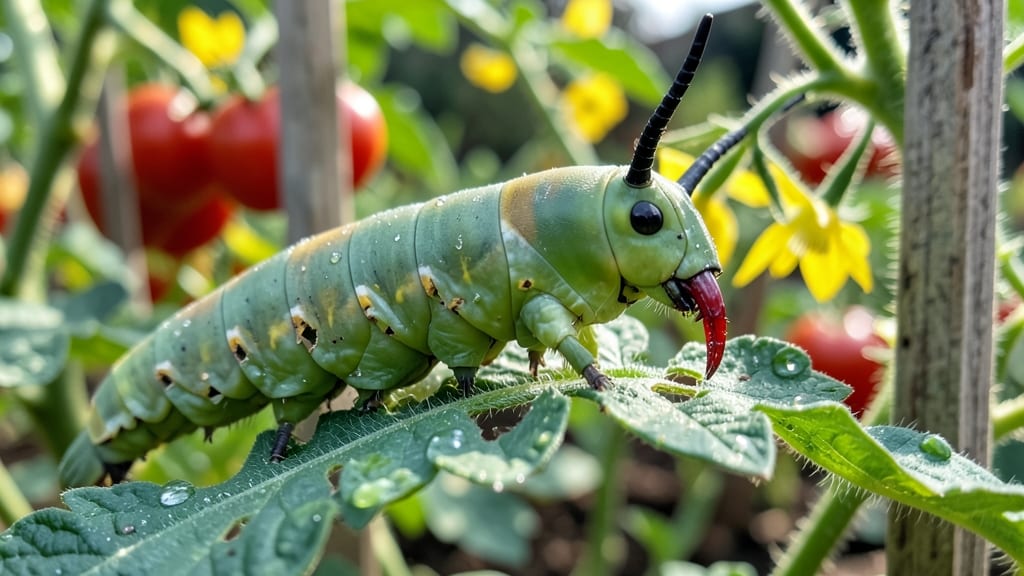
What insects eat tomato plants? They turn your garden into a buffet—some nibble harmlessly, while others strip your harvest in days. 🌱 The first step is learning who’s helping (like ladybugs) and who’s wrecking your crop (think hornworms and aphids).
I’ve watched entire plants defoliate overnight, but knowing the signs changed everything. Most damage comes from chewing insects (hornworms, flea beetles) or sucking pests (aphids, whiteflies). The key is catching them early—look for holes in leaves, sticky residue (honeydew), or tiny eggs clustered on stems.
A quick inspection every 3 days saves your tomatoes before the battle escalates. Organic fixes work better than chemicals: neem oil stops egg-laying, basil and marigolds repel pests naturally, and handpicking (yes, really) removes the worst offenders.
My garden now thrives because I act fast—no more sad, skeletonized plants by midsummer. This isn’t just about saving tomatoes; it’s about building a garden where good bugs outnumber the bad. Let’s turn your tomato patch from a pest magnet into a fortress.
Root Causes Behind Tomato Feasts
Tomato plants are like all-you-can-eat buffets for certain insects—nutrient-rich, tender, and packed with sugars that make them irresistible. But why do these critters suddenly turn your garden into their dining hall?
Let’s break down the science behind their appetite and how environmental factors, plant biology, and even human gardening habits create the perfect storm for insect invasions.
Tomatoes aren’t just tasty—they’re biologically inviting to pests. Their soft stems, fleshy leaves, and sweet fruits are packed with compounds that some insects can’t resist. Here’s why they’re such easy targets:
- High Sugar Content: Ripe tomatoes are essentially fruit sugar bombs. Insects like hornworms and fruit flies are drawn to the natural sugars, which signal "high-energy food." 🍉➡️🐛
- Volatile Organic Compounds (VOCs): Tomatoes release chemical signals (like methyl jasmonate) when stressed or damaged. These VOCs act like insect dinner bells, attracting predators from miles away—even species that wouldn’t normally bother your garden.
- Tender Growth: Young tomato plants have thin, succulent stems and leaves, making them easy pickings for chewers like aphids and cutworms. Mature plants are tougher, but their fruits remain vulnerable.
- Water-Rich Leaves: Tomatoes retain moisture, which is a magnet for sap-suckers like spider mites and whiteflies. Dry conditions make them even more stressed—and stressed plants emit more attractant signals.
💡 Pro Tip: If you notice yellowing leaves or stunted growth early in the season, your plants may already be chemically advertising their distress to insects. Prune damaged foliage promptly to reduce the scent trail.
Insect activity isn’t random—it’s highly seasonal and weather-dependent. Tomatoes thrive in warm climates, but that same warmth also supercharges pest populations. Here’s how the environment sets the table for insect feasts:
| Factor | How It Attracts Pests | Peak Risk Period |
|---|---|---|
| 🌞 High Temperatures | Heat speeds up insect metabolism, increasing reproduction rates. Whiteflies and aphids multiply exponentially in 80°F+ conditions. | Mid-summer to early fall |
| 🌧️ Humidity & Rain | Moisture helps soft-bodied pests like slugs and cutworms thrive. Overhead watering also washes away natural predators (like ladybugs) and spreads fungal diseases that weaken plants. | Spring rains & late summer storms |
| 🌿 Drought Stress | Drought forces tomatoes to concentrate sugars in leaves/fruits, making them sweeter and more attractive to pests. Spider mites thrive in dry conditions because they can’t survive high humidity. | Late summer droughts |
| 🌙 Nighttime Activity | Many tomato pests (like tomato hornworms and flea beetles) are nocturnal. They hide during the day and strike under cover of darkness. | Evening hours (check plants at dawn!) |
✨ Actionable Fix: Use shade cloth in peak summer to reduce heat stress, and water deeply at the base (not overhead) to avoid creating pest-friendly conditions.
Sometimes, we’re the reason our tomatoes become insect buffets. Poor gardening practices can turn a thriving plant into a pest magnet. Here’s how:
- Over-Fertilizing (Especially Nitrogen): Too much nitrogen = lush, soft growth that’s delicious to chewers. Pests like colorado potato beetles and cabbage worms target fast-growing, tender foliage.
- Monoculture Planting: Growing only tomatoes in a row creates a pest superhighway. Insects can find food without leaving, leading to explosive populations.
- Ignoring Weeds: Weeds like nightshade and purslane are often alternative hosts for tomato pests (e.g., hornworms). They provide shelter and breeding grounds.
- Poor Sanitation: Leaving fallen fruits, pruned debris, or old plant matter in the garden creates hiding spots and food sources for pests over winter.
- Using Synthetic Pesticides: While they kill pests, they also wipe out natural predators (like lacewings and parasitic wasps), leading to bigger infestations later.
🔥 Quick Fix: Rotate crops annually, mulch heavily to block weeds, and clean up debris after harvest. Even a simple row cover can disrupt pest life cycles.
Understanding these root causes is half the battle. Now that you know why insects are feasting on your tomatoes, the next step is how to outsmart them—and we’ve got science-backed strategies for that too!
How to Protect Your Tomatoes
Tomato plants are a garden favorite, but when pests like aphids, hornworms, or flea beetles take a bite, they can leave your harvest looking ragged. The good news? You don’t need harsh chemicals to keep these critters in check.
Below are practical, natural solutions tailored to the most common tomato plant invaders—plus prevention tips to keep your garden thriving.
Aphids are tiny, sap-sucking pests that cluster on tomato leaves, leaving behind sticky honeydew and stunted growth. Here’s how to kick them out:
🔥 Step 1: Blast Them Off Use a strong spray of water from your hose to dislodge aphids from leaves. Do this in the early morning so the plants dry quickly.
🍳 Step 2: Soap Up a Natural Spray Mix 1 tablespoon of mild liquid soap (like Castile soap) with 1 quart of water. Spray directly on aphids—this suffocates them without harming your plants.
👨🍳 Step 3: Introduce Beneficial Insects Ladybugs and lacewings love aphids—order them online or attract them with dill, fennel, or marigolds planted nearby.
🌿 Prevention Tip: 💡 Plant garlic or chives near tomatoes—their strong scent repels aphids naturally.
Hornworms (the caterpillars of sphinx moths) can devour entire tomato leaves overnight. Act fast to save your plants:
🔪 Step 1: Handpick the Pests Check leaves every morning—hornworms are easy to spot (green with white stripes and a "horn" on their rear). Drop them into soapy water to dispose of them humanely.
🥘 Step 2: Use Bt (Bacillus Thuringiensis) This organic bacteria is harmless to humans but deadly to hornworms. Mix it with water and spray on leaves—it works within 24-48 hours.
⏰ Step 3: Set Up Traps for Moths Hang pheromone traps (available at garden centers) to catch adult moths before they lay eggs.
🌿 Prevention Tip: 🌡️ Plant basil near tomatoes—its scent confuses hornworm moths and reduces egg-laying.
These tiny black beetles chew tiny holes in tomato leaves, making them look like Swiss cheese. Here’s how to stop them:
🎯 Step 1: Cover Young Plants Use floating row covers (lightweight fabric) over seedlings until they’re established—this blocks beetles while allowing sunlight and water through.
✨ Step 2: Apply Diatomaceous Earth Sprinkle food-grade diatomaceous earth around the base of plants. It’s a natural abrasive that dehydrates beetles without chemicals.
💡 Step 3: Use Yellow Sticky Traps Flea beetles are attracted to yellow traps—place them near your tomato patch to catch adults before they multiply.
🌿 Prevention Tip: 🔥 Plant radishes or nasturtiums as a "trap crop"—beetles prefer these over tomatoes!
No matter the pest, these proactive steps will keep your tomato plants healthier and less appealing to invaders:
- 🌱 Rotate crops yearly to prevent soil-borne pests from building up.
- 🌿 Interplant with herbs like basil, thyme, or oregano—their fragrance deters many insects.
- 🌞 Water in the morning so leaves dry quickly, reducing fungal issues that weaken plants.
- 🍅 Keep the garden clean—remove fallen leaves and debris where pests hide.
Final Thought: 🌟 With these natural, chemical-free methods, you can protect your tomato plants while supporting a balanced garden ecosystem. Happy growing!
Frequently asked questions
Which insects are the biggest threats to tomato plants?
The top tomato plant destroyers include tomato hornworms (green caterpillars with white stripes), aphids (tiny green/black clusters), flea beetles (tiny jumping black beetles), and whiteflies (tiny white moths). These pests cause visible damage like skeletonized leaves, chewed holes, or sticky honeydew residue.
How can I tell if my tomato plants have insect damage?
Look for chewed leaves, tiny holes (flea beetles), yellowing or stunted growth (aphids), or white moths flitting when touched (whiteflies). Check undersides of leaves and stems—many pests hide there. Early signs include wilting or curled leaves.
Are there any beneficial insects that eat tomato pests?
Ladybugs and lacewings devour aphids, while parasitic wasps attack hornworms. Plant dill, fennel, or marigolds to attract these natural predators. Even praying mantises help—just don’t kill them when you spot them!
Can I use neem oil on tomato plants?
Yes, but only at night to avoid harming bees. Mix 1 teaspoon neem oil + 1 teaspoon mild soap per quart of water. Spray leaves thoroughly—it disrupts pests' life cycles. Reapply every 7-10 days after rain. Avoid spraying flowers to protect pollinators.
What’s the fastest way to remove hornworms?
Check plants every morning—hornworms hide during the day. Grab them with gloved hands or drop them into soapy water. For severe infestations, apply Bt (Bacillus thuringiensis) spray, which kills caterpillars within 24-48 hours without harming plants or beneficial insects.