
Vegetables
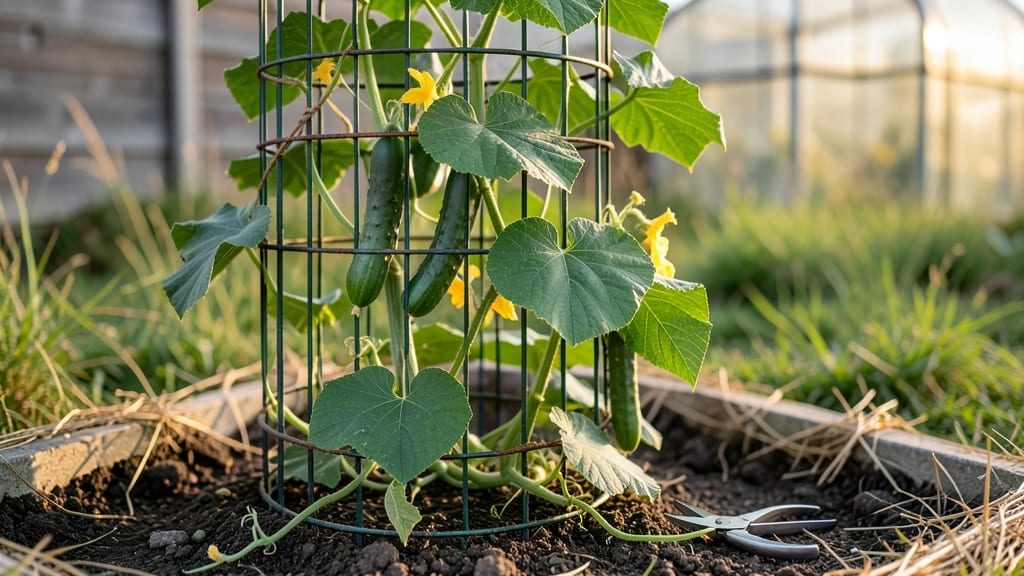
Using tomato cages for cucumbers saved my garden last summer when those vines threatened to take over the patio. 🌱 Cucumbers need strong support, but traditional trellises can be bulky or expensive—tomato cages offer a foolproof, budget-friendly alternative that works surprisingly well. The secret lies in choosing heavy-duty cages (5+ feet tall) and positioning them early, before vines get too heavy. I doubled up cages for my bushy 'Straight Eight' plants, and they held firm through the entire harvest. No more cucumbers dragging in the dirt or breaking stems. You’ll end up with cleaner fruit, better air circulation (fewer diseases), and cucumbers that ripen faster. The vines climb neatly, and you avoid the saggy mess that makes cucumbers hard to pick. Plus, it frees up garden space for other plants. For bush varieties, use two cages per plant. For vining types, add a lightweight string trellis between cages. Works for zucchini too—just go bigger on the stakes!
📚 In This Guide
- What you need
- Instructions
- Tips and common mistakes
- Wrapping up and next steps
What you need
- ● Tomato cages: 2–4 sturdy cages (5–6 feet tall, made of galvanized wire or plastic-coated steel for durability). Pro tip: 💡 Choose cages with 12+ inches of diameter to accommodate thick cucumber vines.
- ● Cucumbers: 2–3 vines (bush or vining varieties like ‘Straight Eight’ or ‘Marketmore’).
- ● Potting soil: 1–2 bags (well-draining, organic-rich mix for heavy feeders).
- ● Stakes or bamboo poles: 2–3 (4–6 feet tall) to reinforce cages if needed.
- ● Garden twine or soft plant ties: 1 roll (to secure vines without cutting into stems).
- ● Mulch: Straw or shredded leaves (to retain moisture and suppress weeds).
- ● Cage extenders: PVC pipes or wooden dowels (to add height if cages are too short).
- ● Trellis netting: Lightweight mesh (to weave between cages for extra support).
- ● Fertilizer spikes: Slow-release or compost tea (for nutrient-boosted growth).
- ● Pruning shears: For trimming excess leaves to improve airflow and reduce disease risk.
Step-by-Step instructions for using tomato cages for cucumbers
Here's how I turn simple tomato cages into sturdy cucumber supports—no sagging, no bending, just strong vines.
🪴 Step 1: Select the Right Tomato Cage Size
Cucumbers need stronger support than tomatoes, so choose 6-foot cages (not the 5-foot ones). I look for cages with 16-18 gauge galvanized wire—thicker than standard tomato cages. The wider the diameter, the better the stability. Avoid flimsy plastic cages; they'll bend under cucumber weight.
Check the cage's height-to-diameter ratio. A 12-inch diameter at the base gives cucumbers enough room to sprawl without toppling. If your cage is too narrow, the vines will twist and break. I like cages with horizontal rings every 12 inches—they create natural handholds for training vines.
☀️ Step 2: Position and Bury the Cage Deeply
Place the cage 24-36 inches from the plant (not right next to it). Cucumbers sprawl outward, and planting too close restricts root growth. Bury half the cage—about 12-18 inches—into the soil. Use a shovel to dig a shallow trench, then press the cage's bottom ring into the hole.
Stabilize the base by tying the bottom ring to a wooden stake with twine if your soil is loose. I also add two 18-inch wooden stakes on opposite sides of the cage and loosely tie them to the cage's bottom ring. This creates a triangle support system that prevents leaning. Water the area well after planting to settle the soil around the buried portion.
🌿 Step 3: Train Vines to Climb and Spread Evenly
Once vines reach 6 inches long, gently weave them through the cage's rings in a spiral pattern. Start at the bottom and guide the main stem upward, looping it around each horizontal ring. Avoid wrapping vines tightly—leave 2-3 inches of space between loops so they don't strangle themselves.
When side vines (laterals) emerge, tie them to the cage's vertical wires using soft plant ties or old fabric strips. I check vines every 3-4 days and adjust any that slip. If a vine grows too long before reaching the cage, pinch the tip to encourage bushier growth. The goal is even distribution—no single branch bearing too much weight.
✂️ Step 4: Prune and Reinforce as Vines Grow
When vines hit the top of the cage, prune the tips to stop upward growth and redirect energy to fruit production. I also remove any suckers (side shoots from the main stem) below the second leaf cluster—these drain energy better spent on cucumbers. Leave 2-3 strong lateral vines per main stem for maximum yield.
If the cage starts to lean or the vines sag, add a second cage on the opposite side and tie the main stem between them with twine. For extra-heavy varieties like 'Straight Eight' or 'Lemon Cucumber', I braid the main vine around the cage's center pole to create a central support column. This prevents the cage from collapsing under weight.
💧 Step 5: Water and Maintain Through Harvest
Water at the base of the plant (not the leaves) to avoid powdery mildew, which cucumbers hate. I water deeply every morning and let the soil dry slightly between waterings—soggy soil weakens stems. If the cage sags under wet vines, prop it up with a wooden board temporarily until the vines dry.
Harvest cucumbers every 2-3 days to prevent overloading the vines. I check for yellowing leaves (a sign of overripe fruit) and remove overripe cucumbers immediately. At the end of the season, cut the vines at the base and remove the cage to reduce disease buildup in the soil. Store cages in a dry place for next year.
Tips & tricks for sturdy cucumber support with tomato cages
Here's what nobody tells you about making tomato cages work for cucumbers—these tricks keep your vines strong and your harvest bountiful.
Selection Tip: If you can't find 6-foot cages, combine two 5-foot cages by tying them together at the top with twine. I've done this with heavy varieties like 'Straight Eight' cucumbers, and it works as long as you reinforce the connection with a third stake in the center. The key is maintaining that 12-inch diameter at the base—this gives vines enough room to sprawl without twisting.
Training Technique: In Step 3, when you're weaving vines through the rings, use a clockwise spiral pattern starting from the bottom. This creates a natural tension that prevents the vine from slipping downward as it grows. I also like to leave the bottom 6 inches of the cage empty—this gives the main stem room to thicken before hitting the first ring, making it stronger for the climb ahead.
Reinforcement Strategy: For varieties like 'Lemon Cucumber' that produce extra-heavy fruit, add a third cage in a triangular formation around the plant. This creates a 360-degree support system that distributes weight evenly. I've seen cucumbers weighing over a pound each—without this extra support, the cages would collapse. The third cage should be positioned at a 45-degree angle to the other two for maximum stability.
Harvest Hack: When harvesting every 2-3 days, use a small hand pruner to snip cucumbers from the vine rather than twisting them off. This prevents damage to the vine's connection points where it's tied to the cage. I also recommend harvesting in the morning when cucumbers are firmest—this helps prevent bruising during handling.
Pro Tips for Using Tomato Cages For Cucumbers
- Here's what nobody tells you about making tomato cages work for cucumbers—these tricks keep your vines strong and your harvest bountiful.
- Selection Tip: If you can't find 6-foot cages, combine two 5-foot cages by tying them together at the top with twine.
- Training Technique: In Step 3, when you're weaving vines through the rings, use a clockwise spiral pattern starting from the bottom.
Frequently asked questions
Got questions about using tomato cages for cucumbers? You’re not alone—gardeners often wonder about the best ways to adapt these supports for heavy vines. Here are some common concerns and quick answers to help you grow like a pro!
Can tomato cages really support cucumber vines?
Yes, but with a few tweaks! Standard tomato cages (5-6 feet tall) work for bushier cucumber varieties like Bush Champion, but heavier vines (like Straight Eight) may need a sturdier cage (8+ feet) or extra reinforcement. Tie vines loosely with soft plant ties to avoid damage as they grow.
When should I put tomato cages in for cucumbers?
Install cages right after planting (or transplanting seedlings) to give vines immediate support. For direct-sown seeds, place cages before germination to avoid disturbing roots later. If your plants are already climbing, gently weave them into the cage as they grow.
What if my tomato cage bends or collapses?
This usually happens with overloaded cages or flimsy materials. Upgrade to a heavy-duty metal or reinforced plastic cage (like those for indeterminate tomatoes) or add bamboo stakes at the corners for extra stability. Prune excess vines if growth becomes too vigorous.
Are there better alternatives to tomato cages for cucumbers?
Consider these options:
- Trellis or A-frame: Ideal for vertical growth, saving space and improving airflow.
- PVC pipe trellis: Customizable and long-lasting (paint for rust prevention!).
- Cattle panels: Budget-friendly and ultra-sturdy for sprawling varieties.
- String between posts: Simple and effective for bush types.
Will cucumbers grow better in cages vs. on the ground?
Yes! Caging cucumbers improves air circulation, reducing disease risk (like powdery mildew) and making harvesting easier. Plus, vertical growth saves garden space—perfect for small plots or containers. Just ensure leaves aren’t blocked from sunlight, which can stress the plant.
Wrapping up and next steps
Using tomato cages for cucumbers is a simple, budget-friendly way to give your vines the support they need to thrive! 🌱 With just a few adjustments—like choosing the right size and securing them properly—you can prevent sagging, improve airflow, and even boost your harvest.
Whether you're a beginner or a seasoned gardener, this method makes growing cucumbers easier and more rewarding.
Ready to try it? Grab a cage, a few stakes, and your cucumber seeds, and get growing! Your garden (and future salads) will thank you. 🥒✨