
Companion Plants
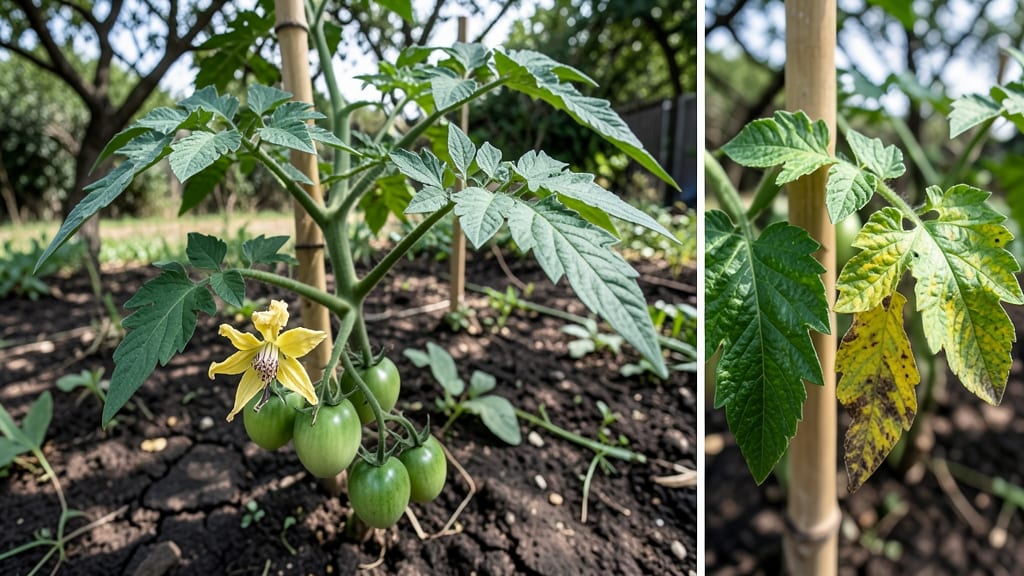
Cold nights and warm days can leave your tomato plants not setting fruit looking lush but fruitless. 🌱 I’ve battled this frustration every spring—until I discovered how to trick tomato plants into setting fruit even when temperatures flirt with the danger zone.
The key isn’t just waiting for perfect weather; it’s creating the right conditions at the right time.
Most gardeners assume tomatoes need consistent heat to fruit, but the real culprit is often temperature swings—especially when nights dip below 55°F. Your plants might have plenty of flowers, but they drop them before fruit forms.
The solution? A few simple adjustments: mulch to warm soil, shade cloth to protect blossoms, and even a trick called "hand pollination" when bees stay indoors.
Once you adjust these factors, you’ll see tiny green tomatoes forming within 2-3 weeks. The best part? These methods work even in short seasons. I’ve gone from zero fruit to bushels by midsummer using these exact techniques—no fancy equipment needed.
We’ll cover how to diagnose the exact problem (yes, it’s not always cold weather), step-by-step fixes, and when to pull the plug if nature just won’t cooperate. Let’s turn those blossoms into tomatoes!
Hidden Barriers to Fruit Production
When your tomato plants look lush but refuse to produce fruit, the issue often lies in unseen factors that disrupt their natural reproductive cycle. Understanding these roadblocks is the first step to fixing the problem.
Below, we break down the key scientific reasons why your tomato plants might be skipping fruit-setting—from environmental quirks to physiological hiccups.
Tomatoes are warm-season plants, meaning they thrive in a narrow temperature range. If conditions stray too far from ideal, their flowers may abort before setting fruit.
- Cold Snaps Below 55°F (13°C):
Tomatoes need consistent warmth to pollinate. When nights dip below 55°F (13°C), flower development stalls, and pollen becomes non-viable. Even a single cold night can cause flower drop—where buds form but never open or pollinate.
- Heat Stress Above 90°F (32°C):
While tomatoes love sun, prolonged heat above 90°F (32°C) triggers male sterility in pollen. Flowers may open, but the pollen grains fail to release properly, preventing fertilization. This is especially common in greenhouse or high-desert growing zones.
💡 Pro Tip: Use row covers or shade cloth to moderate temperatures. For cold snaps, try black plastic mulch to absorb and radiate heat back to the plants.
Tomatoes rely on cross-pollination (wind, bees, or vibration) to transfer pollen from the anther to the stigma. Without this step, flowers wilt without fruit.
- Lack of Bees or Wind:
If your garden is bee-free (common in urban areas or early spring), pollen may not reach the stigma. Even hand-pollination is needed in greenhouse-grown tomatoes, where wind is absent.
- Excessive Rain or Humidity:
Heavy rain can wash away pollen before it reaches the stigma, while high humidity (above 85%) can cause pollen to clump and fail to disperse. This is why indoor growers often struggle.
- Self-Pollination Failures:
Some tomato varieties (like cherry tomatoes) have sticky stigmas that require gentle vibration to release pollen. Without physical touch (from wind, bees, or even your finger), fertilization won’t occur.
🔥 Quick Fix: Gently shake plants during bloom (especially in greenhouses) or use a small paintbrush to transfer pollen between flowers. Planting bee-friendly companions (like basil or marigolds) nearby can also help.
Tomatoes are sensitive to moisture fluctuations, and irregular watering can disrupt fruit set in two ways:
- Underwatering (Drought Stress):
When soil dries out, tomato plants abort flowers to conserve energy. This is why you might see dropped blossoms during dry spells. Even uneven watering (e.g., deep roots dry while surface soil stays wet) can cause split stems and poor fruit development.
- Overwatering (Root Suffocation):
Soggy soil limits oxygen to roots, weakening the plant’s ability to transport nutrients—including those needed for fruit initiation. Overwatering also dilutes soil nutrients, leading to blossom end rot (a calcium deficiency symptom).
🌡️ Ideal Watering: Keep soil consistently moist (1–2 inches deep) but never waterlogged. Use drip irrigation or soaker hoses to deliver water directly to the roots and avoid wetting leaves (which can cause disease).
Tomatoes are heavy feeders, and a lack of key nutrients can halt fruit production before it starts. Here’s what’s missing when plants skip fruit:
| Nutrient Deficiency | Symptoms | Fix It |
|---|---|---|
| Nitrogen (N) | Yellowing leaves (especially older ones), stunted growth | Apply balanced fertilizer (10-10-10) or compost at planting. |
| Phosphorus (P) | Purple stems/leaves, weak roots, no flowers | Use bone meal or phosphorus-rich fertilizer (like 5-10-10). |
| Potassium (K) | Yellow leaf edges, weak stems, poor fruit set | Add potassium sulfate or wood ash (sparingly). |
| Calcium (Ca) | Blossom end rot (black, sunken spots on fruit) | Apply crushed eggshells or calcium nitrate. |
✨ Bonus Tip: A foliar spray of seaweed extract can boost nutrient uptake and improve fruit set, especially in stressed plants.
Tomatoes are sensitive to disturbance, and stress from poor planting or competition can derail fruit production.
- Transplant Shock:
If roots are damaged during transplanting, the plant diverts energy to recovery instead of flowering. This is why seedlings often take weeks to rebound before setting fruit.
- Overcrowding:
Plants competing for light, water, and nutrients will prioritize leaf growth over fruit. Tomato vines need 18–24 inches of space to thrive.
- Root-Bound Containers:
In pots, circumscribed roots (roots growing in circles) starve the plant of oxygen and nutrients. This is a common issue for container-grown tomatoes.
👨🍳 Fix It:
- Give plants deep, loose soil mixed with compost at planting.
- Use large containers (5+ gallons) with drainage holes.
- Prune lower leaves to improve airflow and reduce competition.
Quick Fixes for Blossom Woes
When your tomato plants refuse to set fruit despite lush foliage, it’s time to roll up your sleeves and tackle the problem head-on. The good news? Most issues have simple, actionable solutions—whether you’re dealing with temperature shocks, pollination problems, or nutrient gaps.
Below, we’ve mapped out practical fixes for the most common causes, along with prevention tips to keep your plants productive all season long.
Cold snaps can trick tomato plants into dropping blossoms before they set fruit. Here’s how to force fruit formation even in chilly conditions:
🔥 Boost Temperature with Row Covers
- How to do it: Drape floating row covers (lightweight fabric) over plants during cold nights (below 55°F/13°C).
Secure edges with bricks or stakes to prevent wind damage. - Pro tip: Remove covers by 10 AM to allow pollinators access and prevent overheating. 🌡️ - Prevention: Plant heat-loving varieties (like ‘Celebrity’ or ‘Better Boy’) after the last frost date in your zone.
🍳 Hand-Pollinate for Cold Days
If bees are sluggish (common below 59°F/15°C), give your flowers a helping hand: 1. Gently shake the plant in the morning (when flowers are open).
- Use a small paintbrush to transfer pollen from male to female flowers (the tiny blossoms at leaf junctions).
- Spray with water in the evening to encourage fruit set. ⏰
🌱 Move Potted Tomatoes Indoors (Temporarily)
- For container growers: Roll plants into a sunny, warm garage or porch (60°F+/15°C+) during cold snaps. Return them outside when temps rise.
- Warning: Avoid sudden temperature swings—acclimate plants gradually to prevent shock.
Even in warm weather, poor pollination can leave you with blossoms but no fruit. Try these low-effort hacks:
👨🍳 DIY Pollen Boost with Sugar Water
- Mix: 1 tsp sugar + 1 cup water. Stir until dissolved.
- Spray: Lightly mist open flowers in the morning.
The sugar attracts pollinators and may stimulate fruit set. - Bonus: Add a drop of dish soap (1 tsp per gallon) to help pollen stick to brushes or bees. 🎯
🔪 Prune for Better Airflow
- Why? Crowded plants trap humidity, leading to blossom end rot or fungal issues that kill flowers before they fruit.
- How: Remove suckers (side shoots) and lower leaves to improve airflow. Aim for a V-shaped plant with space between branches.
🌿 Plant Pollinator-Friendly Companions
- Nearby allies: Basil, borage, marigolds, and dill attract bees and wasps (natural pollinators).
- Avoid: Double-blooming varieties (like ‘Cherry Roma’) if you’re hand-pollinating—they have reduced pollen.
Tomatoes need balanced nutrition to set fruit. Yellow leaves or stunted growth? It’s time to fertilize strategically:
📊 Soil Test First (Skip the Guesswork)
- Test kit: Grab a DIY soil test kit (or send a sample to your local extension office).
- Fix low phosphorus (P): Add bone meal (1 tbsp per plant) or composted manure at planting.
- Fix low potassium (K): Use wood ash (½ cup per plant) or a banana peel tea (steep peels in water for 24 hours).
🍎 Homemade Fertilizer Recipes
| Problem | Solution | How to Apply |
|---|---|---|
| Blossom Drop | Calcium deficiency | Crushed eggshells (bake & grind) or lime (1 tbsp per plant). |
| Weak Stems | Nitrogen boost | Compost tea or fish emulsion (diluted). |
| Small, Underdeveloped Fruit | Phosphorus + potassium | Banana peel + wood ash mix (bury near roots). |
- Prevention: Side-dress with compost every 3–4 weeks to maintain nutrients.
Stop the frustration before it starts with these proactive steps:
- 🌡️ Choose cold-tolerant varieties like ‘Stupice’ or ‘Mountain Merit’ for early planting.
- ✨ Use black plastic mulch to warm soil faster and deter weeds (which steal nutrients).
- 💡 Install a mini greenhouse (even a clear plastic bottle cloche) over young plants in spring.
- 🌿 Rotate crops—don’t plant tomatoes in the same spot yearly to prevent soil-borne diseases.
- 🎯 Monitor weather apps for frost warnings and cover plants early.
Remember: Patience is key—some fixes (like hand-pollination) take 7–10 days to show results. Keep a growth journal to track what works in your climate! 📖✨
Frequently asked questions
Why do my tomato plants have flowers but no fruit?
This usually happens due to temperature stress (nights below 55°F or days above 90°F) or pollination failures. Tomatoes need consistent warmth and proper pollen transfer. Try using row covers for cold nights or hand-pollinate with a paintbrush if bees aren't active.
Can I still save my tomato plants if they drop all their blossoms?
Yes! Focus on stabilizing temperatures and boosting nutrition. Use black plastic mulch to warm soil, apply phosphorus-rich fertilizer (like bone meal), and prune for better airflow. New flowers will form in 2-3 weeks if conditions improve.
How do I know if my tomato plants need more nutrients?
Look for these signs: yellow leaves (nitrogen deficiency), purple stems (phosphorus deficiency), or weak stems (potassium deficiency). Test your soil and add compost or targeted fertilizers. For calcium issues, try crushed eggshells to prevent blossom end rot.
Will hand-pollination really work for my tomato plants?
Use a small paintbrush or cotton swab to transfer pollen between flowers in the morning. For greenhouse tomatoes, gentle shaking can also help. This method works especially well when bees are inactive due to cold weather or urban environments.
Can I grow tomatoes successfully in containers?
Yes, but choose determinate varieties and use 5+ gallon containers with drainage. Keep soil consistently moist and fertilize regularly. Watch for root-bound stress—repot if roots circle the container. Container tomatoes need more frequent watering and may require hand-pollination.