
Companion Plants
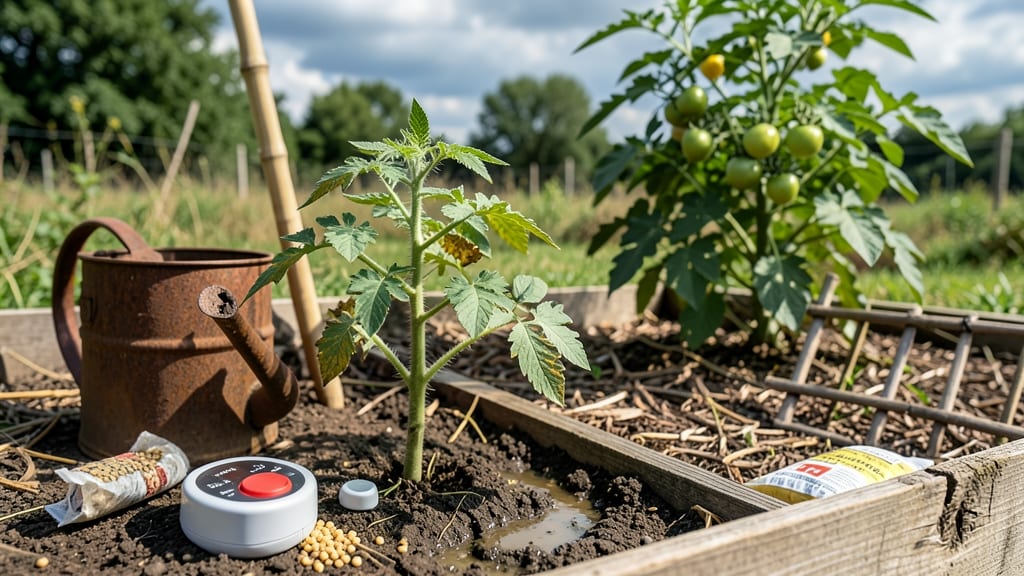
Your tomato plants are not growing taller because they’re dumping all their energy into fruit instead—that’s the root boost fix you need. 🌱 I’ve seen this happen when plants get crowded or stressed, and the solution isn’t complicated: focus on roots, light, and pruning.
The key is giving them the right support so they grow tall and productive, not just one or the other.
Most stunted plants suffer from one of three issues: weak roots, too much shade, or overcrowded stems. A simple soil check (dig gently) reveals if roots are shallow—if they are, you’ll need to fertilize with phosphorus-rich food or add compost.
Meanwhile, pruning suckers (those little shoots between the main stem and branches) frees up energy for upward growth. It’s not about cutting everything—just the competition.
Within 2-3 weeks of adjusting pruning and feeding, you’ll see new growth shooting upward like a rocket. The plants stay sturdy, branches spread properly, and you avoid the floppy, disease-prone mess that comes from overcrowding. This method works for both determinate (bush) and indeterminate (vining) varieties—just tweak the pruning style.
For extra insurance, add a tomato cage or stake early to prevent wind stress, and mulch heavily to keep roots cool. The goal is strong roots + good airflow = taller plants. Once you’ve done this once, you’ll spot the signs before they slow you down.
Root Causes Behind Stunted Growth
When your tomato plants refuse to reach their full potential, the issue often lies beneath the soil—or even above it. Understanding the key factors holding back your plants’ vertical growth can help you diagnose and fix the problem before it’s too late.
Here’s a breakdown of the most common culprits, explained in simple terms with actionable insights.
Tomatoes are sun-worshippers—they need 6 to 8 hours of direct sunlight daily to fuel photosynthesis and grow tall. Without enough light, plants stretch (a condition called etiolation) or grow weak and leggy, but they won’t develop the sturdy stems needed for height.
- Why it happens: Low light triggers plants to produce long, weak stems in search of sunlight, while energy is diverted from root and leaf growth instead of vertical expansion.
- Signs to watch for:
- Pale, yellowish leaves
- Stems that bend or flop
- Slow or no new leaf production
- Fix it:
- Move plants to a sunnier spot (south-facing is ideal in the Northern Hemisphere).
- Use reflective surfaces (like white walls or mirrors) to bounce extra light onto leaves.
- If growing indoors, supplement with grow lights (LED or fluorescent) for 12–16 hours/day.
Too much water—or waterlogged soil—can stress roots, preventing them from absorbing nutrients and oxygen efficiently. When roots suffocate, they can’t support the plant’s upward growth, leading to stunted, weak stems.
- Why it happens:
- Excess water displaces oxygen in the soil, suffocating roots and halting nutrient uptake.
- Waterlogged conditions promote root rot (especially from fungi like Phytophthora), which kills root tips responsible for absorbing water and minerals.
- Signs to watch for:
- Yellowing leaves (especially lower ones)
- Mushy, black, or foul-smelling roots
- Stunted growth despite regular watering
- Fix it:
- Ensure pots or garden beds have drainage holes and use well-draining soil (mix in perlite or sand).
- Water only when the top 1–2 inches of soil are dry—stick your finger in to check!
- Improve soil aeration by adding compost or coconut coir to heavy clay soils.
Tomatoes are heavy feeders, and without the right nutrients, they’ll prioritize survival over growth. Two key nutrients directly impact height:
| Nutrient | Role in Growth | Deficiency Signs |
|---|---|---|
| Nitrogen (N) | Builds leafy green biomass and stem strength for vertical growth. |
|
| Potassium (K) | Supports root development and cell division, which are critical for upward growth. |
|
Fix it:
- Test your soil with a DIY kit or send a sample to a local extension office for analysis.
- Add balanced fertilizer (like 10-10-10) at planting, then switch to a potassium-rich formula (5-10-10) when flowers appear.
- Use organic amendments like composted manure, banana peels (for potassium), or fish emulsion (for nitrogen).
Tomatoes thrive in warmth (60–85°F), but extreme heat, cold, or compacted soil can shock the root system, halting growth. Even subtle temperature swings can disrupt nutrient uptake and hormone production (like gibberellins, which promote stem elongation).
- Why it happens:
- Cold soil (<50°F): Slows root activity and microbial life, reducing nutrient availability.
- Heat stress (>90°F): Causes wilting and leaf scorch, diverting energy away from growth.
- Compacted soil: Restricts root expansion, limiting the plant’s ability to anchor and grow upward.
- Signs to watch for:
- Wilting even when soil is moist
- Brown, crispy leaf edges
- Roots growing in a tight, circular pattern (indicating soil compaction)
- Fix it:
- Use mulch (straw or grass clippings) to regulate soil temperature and retain moisture.
- Avoid planting until soil is at least 60°F—use a soil thermometer to check.
- Loosen compacted soil with a garden fork or mix in compost to improve aeration.
Hidden underground threats—like root-knot nematodes, Fusarium wilt, or even overzealous grubs—can severely limit root function, starving the plant of the water and nutrients needed to grow tall.
- Why it happens:
- Nematodes create galls on roots, blocking nutrient absorption.
- Fungal infections (e.g., Verticillium or Fusarium) clog xylem vessels, preventing water transport.
- Grubs or cutworms chew roots, reducing the plant’s ability to anchor and grow.
- Signs to watch for:
- Wilting despite wet soil
- Stunted growth with no visible pests above ground
- Black
Quick Fixes for Stunted Tomato Growth
Now that you know the likely culprits behind your tomato plants’ stubborn refusal to stretch toward the sky, let’s roll up our sleeves and get them growing tall again! The good news? Most fixes are simple, cost-effective, and can turn your tomatoes from "stunted" to "sun-kissed giants" in no time.
Below, we’ll tackle each cause with step-by-step solutions—plus pro tips to keep your plants thriving long-term.
If your soil is lacking the right nutrients, your tomatoes will focus energy on survival instead of growth. Here’s how to give them the boost they need:
🔥 Step 1: Test Your Soil (If Possible)
- Grab a soil test kit (available at garden centers or online) to check pH and nutrient levels.
- Ideal pH for tomatoes: 6.0–6.8. If it’s off, amend it with lime (to raise pH) or sulfur (to lower pH).
🍳 Step 2: Add Balanced Fertilizer
- Use a slow-release granular fertilizer (like 10-10-10) or an organic option (compost, worm castings, or fish emulsion).
- How to apply:
- Sprinkle 1–2 tablespoons around the base of each plant (not touching the stem).
- Water deeply to activate nutrients.
- Repeat every 2–3 weeks during the growing season.
👨🍳 Step 3: Top-Dress with Nitrogen
- Tomatoes are heavy feeders, especially when young. A quick nitrogen fix:
- Mix 1 cup of blood meal or coffee grounds into the top 2 inches of soil.
- Water well to avoid burning roots.
💡 Pro Tip:
- Avoid over-fertilizing with nitrogen—too much leads to leafy growth but few tomatoes! Balance with phosphorus (for roots) and potassium (for fruit).
Tomatoes are warm-weather babies. If nights are too cold or days too hot, growth grinds to a halt.
❄️ Step 1: Protect from Cold Snaps
- Use row covers (lightweight fabric) to shield plants from temps below 50°F (10°C).
- Mulch heavily (straw or grass clippings) to insulate roots and keep soil warm.
🔥 Step 2: Shield from Scorching Heat
- Provide afternoon shade (use shade cloth or plant near taller crops like corn or sunflowers).
- Water deeply in the morning to cool roots and prevent stress.
⏰ Step 3: Wait for the Right Time
- Tomatoes won’t grow tall if planted too early. Wait until:
- Soil is at least 60°F (15°C).
- Last frost date has passed (check your local USDA zone).
🎯 Pro Tip:
- Black plastic mulch absorbs heat—great for extending the growing season in cooler climates!
Too much or too little water stunts growth. Tomatoes need consistent moisture—like a spa day for their roots!
💧 Step 1: Water Deeply and Infrequently
- How much? 1–2 inches per week (check with a rain gauge).
- When? Early morning (avoids fungal diseases).
- How? Drip irrigation or soaker hoses (keeps water at the roots, not the leaves).
🚫 Step 2: Avoid Wet Leaves
- Water at the base—wet foliage invites blight and mold.
- If overhead watering is a must, water in the early morning so leaves dry by night.
🌡️ Step 3: Check for Overwatering
- Yellowing leaves? Could be root rot from soggy soil.
- Fix: Let soil dry slightly between waterings and improve drainage with perlite or sand.
✨ Pro Tip:
- Mulch with straw to retain moisture and keep roots cool—this encourages steady growth!
If roots are tangled or competing for nutrients, your tomatoes will stay short and weak.
🔪 Step 1: Transplant If Needed
- If seedlings are root-bound (circling the pot), gently loosen roots before transplanting.
- Dig a trench deeper than the root ball to encourage downward growth.
📊 Step 2: Space Plants Properly
- Determinate (bush) tomatoes: 18–24 inches apart.
- Indeterminate (vining) tomatoes: 24–36 inches apart.
- Stake or cage early to support vertical growth.
💪 Step 3: Prune Lower Leaves
- Remove bottom leaves touching the soil to improve airflow and reduce disease.
- Pinch suckers (side shoots) to direct energy upward.
🌱 Pro Tip:
- Companion planting with basil or marigolds can improve growth by deterring pests and attracting pollinators!
Pests like aphids, whiteflies, or nematodes drain energy, leaving your tomatoes stunted.
🔍 Step 1: Inspect Leaves and Stems
- Look for:
- Sticky residue (aphids).
- Yellowing or curled leaves (spider mites).
- Holes or chewed foliage (caterpillars).
🚿 Step 2: Blast Off Pests
- Neem oil spray (natural insecticide—mix 1 tbsp neem oil + 1 tsp mild soap + 1 quart water).
- Hose off soft-bodied pests (aphids, whiteflies) with a strong stream of water.
- Handpick larger pests (like tomato hornworms).
🌡️ Step 3: Prevent Future Infestations
- Rotate crops yearly (don’t plant tomatoes in the same spot).
- Interplant with pest-repelling herbs (basil, garlic, or onions).
- Use row covers early in the season to block flying pests.
💡 Pro Tip:
- Ladybugs and lacewings are natural pest predators—invite them with dill or fennel nearby!
Tomatoes crave sunlight—at least 6–8 hours daily. If they’re shaded, they’ll stay short and leggy.
☀️ Step 1: Move Plants to a Sunnier Spot
- If in containers, relocate to a south-facing window or balcony.
- In gardens, trim nearby tall plants (like sunflowers) to improve light access.
🏗️ Step 2: Use Reflective Surfaces
- Place white reflectors (old CDs, aluminum foil, or reflective mulch) around plants to bounce light onto leaves.
🌱 Step 3: Choose the Right Variety
- Some tomatoes (like cherry varieties) tolerate partial shade better than large slicing tomatoes.
- Opt for early-maturing varieties if your growing season is short.
🎯 Pro Tip:
- Vertical gardening (trellises, cages) helps maximize light exposure by keeping plants off the ground!
Now that your tomatoes are on the mend, keep them thriving with these long-term strategies:
- 🌱 Start with rich soil – Mix compost or aged manure into planting holes before transplanting.
- 📅 Plant at the right time – Avoid early springs; wait for consistent warm temps.
- 💧 Water consistently – Use a moisture meter to track soil hydration.
- 🌿 Monitor pests weekly – Catch issues early before they stunt growth.
- 🌿 Prune regularly – Remove suckers and diseased leaves to encourage upward growth.
With these fixes, your tomato plants should be reaching for the sky in no time! 🍅🌟 Keep an eye on them, adjust as needed
Frequently asked questions about stunted tomato plants
Why are my tomato plants growing wide but not tall?
This happens when plants focus energy on leaves and fruit instead of vertical growth—often due to overcrowding or excess nitrogen. Prune suckers (side shoots) and switch to a balanced fertilizer (like 5-10-10) to redirect energy upward. Space plants properly (18-36 inches apart depending on variety) for better airflow and growth.
How do I know if my tomato plants need more sunlight?
Check for pale, yellow leaves or stems that bend toward light—signs of insufficient sunlight. Tomatoes need 6-8 hours of direct sun daily. Move container plants to a sunnier spot or trim nearby shade sources. For indoor plants, supplement with grow lights (12-16 hours/day) to prevent leggy growth.
Can overwatering cause tomato plants to stop growing tall?
Yes! Too much water suffocates roots, preventing nutrient uptake. Water only when the top 1-2 inches of soil are dry and ensure pots have drainage holes. If roots look mushy or black, you may have root rot—reduce watering immediately and improve soil drainage with perlite or sand.
What's the best fertilizer for encouraging vertical growth?
Use a balanced fertilizer (10-10-10) at planting, then switch to a potassium-rich formula (5-10-10) when flowers appear. For organic options, try fish emulsion (nitrogen) or banana peels (potassium). Avoid over-fertilizing—too much nitrogen makes plants leafy but stunts height.
Will pruning my tomato plants help them grow taller?
Pruning suckers (shoots between main stem and branches) and lower leaves improves airflow and directs energy upward. For indeterminate varieties, keep the main stem strong by removing suckers larger than 1/4 inch. Prune in the morning to allow wounds to heal during the day.