
Pests
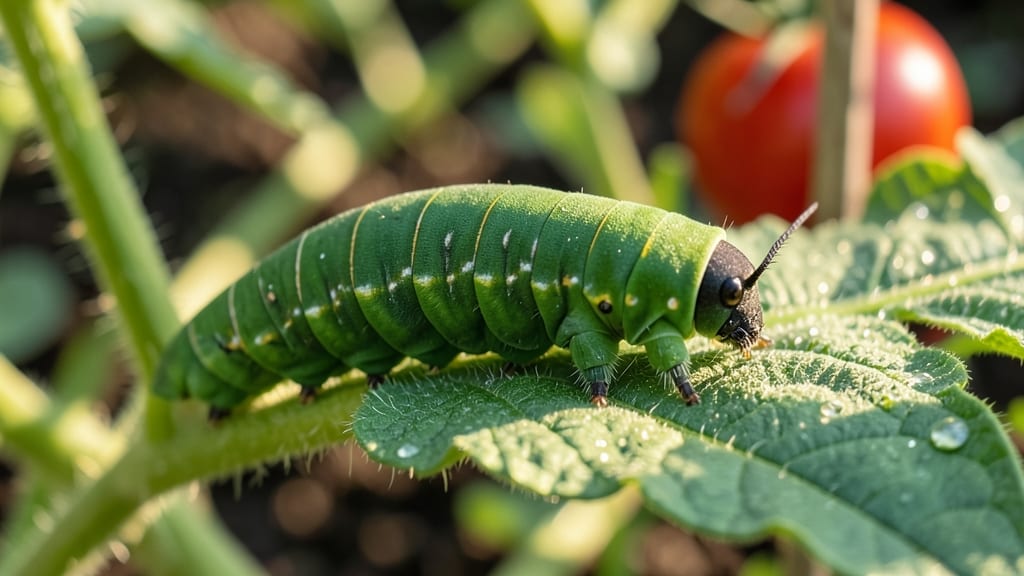
Tomato plants attract more bugs that like tomato plants than any other vegetable in my garden—hornworms, aphids, and fruitworms can wipe out a harvest in days. 🌱 I’ve lost entire plants to these hungry invaders, but I’ve also learned how to spot them early and stop them fast with simple, proven methods.
The key is acting before damage spreads: check undersides of leaves for eggs, watch for chewed fruit, and look for sticky residue from sap-sucking bugs. Most gardeners wait too long—by then, the battle’s already lost. With the right techniques, you’ll protect your plants without harsh chemicals.
I’ve used neem oil, companion planting, and even a homemade soap spray to keep my tomatoes thriving all season. The secret? Staying one step ahead of these pests. Works for backyard gardens, containers, and raised beds alike. Here’s how to keep your tomatoes safe!
Why Your Tomatoes Are Bug Buffet Central
Tomato plants are like all-you-can-eat buffets for pests—rich in nutrients, soft textures, and easy access. But why do these critters flock to your garden in the first place? Let’s break down the science behind their attraction, so you can outsmart them before they ruin your harvest.
Tomato plants are essentially walking salad bars for insects.
Their leaves, stems, and fruits are loaded with: - Sugars & Carbohydrates: Aphids, whiteflies, and spider mites crave the sweet sap flowing through tomato vines. Why? These pests lack mouthparts for chewing, so they insert needle-like stylets to suck up plant juices—like a straw in a soda. - Proteins & Amino Acids: Beetles (like the Colorado potato beetle) and caterpillars (such as hornworms) need protein for growth.
Young tomato leaves are especially high in nitrogen, making them a protein-rich meal. - Volatile Organic Compounds (VOCs): Tomatoes emit chemical signals (like methyl salicylate) that attract beneficial insects—but also pests like thrips and certain wasps. Fun fact: Damaged plants release even more of these signals, acting like a "help, I’m vulnerable!" distress flare.
Pro Tip: 🌡️ Overwatering or drought stress can increase sugar concentrations in leaves, making them even more appealing to sap-sucking pests. Keep soil consistently moist (but not soggy) to reduce this allure.
Pests don’t just randomly pick your tomatoes—they’re drawn by your garden’s design and nearby habitats: - Monoculture Planting: Growing only tomatoes (or other nightshades like peppers/eggplants) creates a pest paradise. Why?
Specialized insects like the tomato hornworm or flea beetles thrive when their favorite food is abundant and easy to find. - Weedy Borders: Many tomato pests (e.g., cabbage loopers, which also target tomatoes) lay eggs on weeds like purslane or pigweed.
These "nursery weeds" give pests a head start before they migrate to your prized plants. - Poor Airflow: Dense foliage or overcrowded plants trap humidity, creating the perfect conditions for fungal diseases (like early blight) and pests like whiteflies. Result: Stressed plants emit more attractant chemicals.
Action Step: 🌿 Interplant tomatoes with basil, marigolds, or onions to disrupt pest pathways. These companion plants mask tomato scents or repel insects naturally.
Insects have evolved to attack tomatoes at their weakest (or most nutritious) stages:
| Pest | Target Stage | Why? |
|---|---|---|
| Aphids | New shoots & flowers | Tender growth is easier to pierce; honeydew (their waste) attracts ants, which protect them. |
| Flea Beetles | Seedlings (first 2–3 weeks) | Young leaves are soft; adults chew tiny holes to feed and lay eggs. |
| Hornworms | Flower buds & fruit | High in water and protein; a single caterpillar can devour a tomato in 24 hours. |
| Whiteflies | Undersides of lower leaves | They prefer warm, humid microclimates—common under dense canopies. |
Pro Tip: ⏰ Monitor your plants weekly during peak pest seasons (spring for beetles, summer for hornworms). Early intervention (like handpicking eggs or using row covers) prevents outbreaks.
Pests don’t just show up—they’re cued by environmental factors: - Warmth & Humidity: Many tomato pests (e.g., spider mites, whiteflies) thrive in temperatures above 80°F (27°C).
Heat-stressed plants produce more sugars, making them more attractive. - Rain & Dew: Fungal diseases (like blight) weaken plants, making them easier targets for secondary pests like stink bugs.
Excess moisture also helps soft-bodied insects (aphids) survive. - Drought Stress: While some pests love moisture, others (like certain beetles) prefer stressed plants with tougher leaves—easier to chew through.
Solution: 💡 Use mulch (straw or grass clippings) to regulate soil temperature and moisture. This reduces stress signals that attract pests.
Tomatoes release chemical signals that pests can detect from meters away:
- Green Leaf Volatiles (GLVs): When tomato leaves are damaged, they emit compounds like hexanal and (Z)-3-hexenol, which attract predators—but also pests like thrips and certain wasps.
- Floral Scents: Blooming tomatoes release benzyl acetone, a compound that lures pollinators (like bees) but also hornworm moths, which lay eggs near flowers.
- Root Exudates: Underground, tomato roots release sugars and amino acids that attract root-knot nematodes and cutworms.
Key Takeaway: 🎯 Reduce physical damage (e.g., avoid rough handling, use supportive stakes) to minimize these chemical distress signals. Healthy plants emit fewer attractants!
Quick Fixes for Tomato Plant Pests
Tomato plants are a garden magnet for pests—but with the right strategies, you can reclaim your harvest and keep those critters at bay. Below are targeted solutions for common tomato-loving bugs, from quick fixes to long-term prevention. Let’s tackle these invaders step by step!
Cause: These striped caterpillars devour leaves and fruit overnight, leaving behind chewed foliage and half-eaten tomatoes.
How to Fix It: 🔥 👨🍳 Handpick & Drown
- When? Early morning (they’re sluggish then).
- How? Wear gloves, pluck them off, and drop them into soapy water. No mercy—these guys multiply fast!
- Pro Tip: 💡 Check the undersides of leaves—they love to hide there.
🍳 🔪 Introduce Predators
- Parasitic wasps (like Cotesia congregata) lay eggs inside hornworms, killing them naturally. Buy them online or attract them with dill or fennel nearby.
- Birds & toads adore hornworms—install a birdhouse or create a toad-friendly habitat with shallow water dishes.
🥘 🌿 Organic Sprays - Neem oil (1 tsp per quart of water + a drop of dish soap) disrupts their feeding. Spray every 5–7 days at dusk. - Bacillus thuringiensis (Bt)—a bacteria that kills caterpillars but is safe for humans and pets.
Mix with water and spray directly on leaves.
🌡️ 🎯 Prevention
- Row covers (lightweight fabric) smother them before they hatch. Use them before flowers appear to allow pollination.
- Interplant with basil—hornworms hate it and may avoid your tomatoes.
Cause: These tiny green/black bugs cluster on stems and leaves, draining sap and spreading viruses. They leave behind sticky honeydew, which attracts mold.
How to Fix It: 🔥 💦 Blast Them Off
- How? Use a strong stream of water from a hose to knock them off. Do this 2–3 times a week during the growing season.
🍳 🍎 Soapy Water Spray
- Mix: 1 tsp mild liquid soap (like Castile) + 1 quart of water.
- Spray: Directly on infested areas. Test on a few leaves first—some plants are sensitive.
- Repeat: Every 3–4 days until gone.
🥘 🐝 Ladybugs & Lacewings
- Buy or attract these natural predators. Ladybugs eat 50+ aphids a day! Plant dill, yarrow, or marigolds to lure them in.
- Release them in the evening—they’re nocturnal and less stressed by heat.
🌡️ 🎯 Prevention
- Reflective mulch (aluminum foil or silver plastic) confuses aphids with its shine.
- Avoid over-fertilizing with nitrogen—soft, new growth attracts them.
Cause: These tiny white moths flutter above leaves, sucking juice and leaving a sticky residue. They thrive in hot, dry conditions.
How to Fix It: 🔥 🕯️ Yellow Sticky Traps
- How? Hang yellow cards coated in petroleum jelly near plants. Whiteflies are drawn to yellow and get stuck.
- Where? Place traps above the plant canopy for best results.
🍳 🌿 Neem Oil or Insecticidal Soap
- Spray undersides of leaves (they love hiding there). Reapply every 5–7 days.
- Pro Tip: 💡 Add a few drops of horticultural oil to improve coverage.
🥘 🐝 Encourage Parasitic Wasps
- **Species like Encarsia formosa attack whitefly pupae. Buy them from garden centers or online.
🌡️ 🎯 Prevention
- Improve airflow by pruning crowded plants—whiteflies love humidity.
- Rotate crops yearly to avoid buildup in soil.
Cause: These microscopic red/yellow pests spin webs on leaves, causing yellowing and stippling. They thrive in dry, hot weather.
How to Fix It: 🔥 💦 Shower Your Plants
- How? Use a hose on a gentle setting to wash them off. Do this every 2–3 days during outbreaks.
🍳 🌿 Neem Oil or Horticultural Oil
- Mix: 1 tbsp neem oil + 1 tsp soap + 1 quart water. Spray both sides of leaves.
- When? Early morning or late evening to avoid burning plants.
🥘 🐝 Predatory Mites
- Release Phytoseiulus persimilis (a beneficial mite) to hunt spider mites. They’re tiny but extremely effective.
🌡️ 🎯 Prevention
- Mist plants regularly—mites hate humidity.
- Remove heavily infested leaves and dispose of them in a sealed bag.
Cause: These striped beetles and their larvae skeletonize leaves, leaving behind a trail of destruction.
How to Fix It: 🔥 🔪 Handpick Adults & Larvae
- When? Early morning or evening (they’re slow then).
- How? Drop them into soapy water—they multiply fast if left unchecked.
🍳 🌿 Row Covers & Traps
- Use row covers before beetles emerge in spring.
- Beer traps: Bury a cup filled with beer near plants—beetles drown in it. Replace every few days.
🥘 🌿 Kaolin Clay (Surround WP)
- How? Sprinkle this white, clay-based powder on plants. It confuses beetles and deters them from feeding.
🌡️ 🎯 Prevention
- Rotate crops—don’t plant tomatoes or potatoes in the same spot yearly.
- Plant trap crops like nasturtiums to lure them away.
✨ 🌿 Healthy Plants = Strong Defense
- Water deeply but infrequently—stressed plants attract pests.
- Use compost & balanced fertilizer (too much nitrogen = soft, pest-loving growth).
✨ 🕰️ Early Detection
- Inspect plants weekly—catch infestations before they spread.
- Look under leaves, in cracks, and near stems.
✨ 🌍 Companion Planting
- Basil, marigolds, onions, and garlic repel many tomato pests naturally.
✨ 🗑️ Clean Up Debris
- Remove fallen leaves, weeds, and plant waste—pests hide there over winter.
Final Thought: 🎯 Act fast, stay consistent, and combine methods** for the best results. With these strategies, your tomato plants will thrive—and those pests won’t stand a chance! 🍅💪
Frequently asked questions
What are the most destructive bugs that attack tomato plants?
The worst offenders are hornworms (they can devour a tomato overnight), aphids (which spread viruses and create sticky honeydew), and whiteflies (which thrive in hot weather and weaken plants). Spider mites and Colorado potato beetles also cause significant damage.
How do I tell if my tomato plant has bugs I can't see?
Look for sticky residue (aphids/whiteflies), tiny holes in leaves (flea beetles), or webbing (spider mites). Check undersides of leaves and new growth first—these are prime hiding spots.
Can I use store-bought pesticides safely on my tomato plants?
Check the label first! Many conventional pesticides have long wait times before harvest. Organic options like neem oil or Bacillus thuringiensis (Bt) are safer and effective. Always test sprays on a small leaf area first.
Will companion planting really keep bugs away from my tomatoes?
Yes! Planting basil, marigolds, or onions near tomatoes confuses pests and masks their scent. These plants also attract beneficial insects like ladybugs that eat tomato pests. Start companion plants when your tomatoes are 6 inches tall for best results.
What's the fastest way to get rid of hornworms if I find them?
Handpick them in the early morning when they're sluggish, then drop them in soapy water. For immediate control, spray with Bt (Bacillus thuringiensis)—it kills caterpillars within hours. Check undersides of leaves daily for eggs.