
Planting
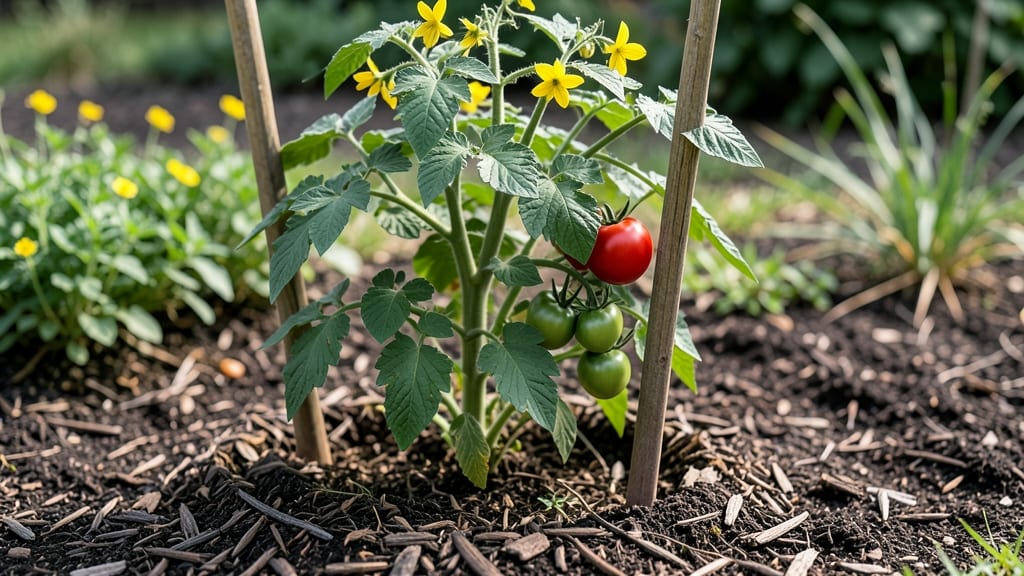
Galvanized steel tomato stakes outlast every other support I've tried—no rust, no bending, and they hold plants 6 feet tall through summer storms. 🌱 The problem isn't the stakes, though; it's the aggressive spikes tomato plants grow when left unchecked.
These sharp tendrils make harvesting painful and attract pests, but with the right pruning and support, you can keep plants sturdy and spike-free.
Spikes form when plants scramble for support, a survival tactic that backfires in the garden. The good news? Pruning them early keeps plants focused on fruit production.
I start by cutting off new spikes at the base—it takes 5 minutes per plant—and use twine to gently guide vines up the stakes instead. Varieties like 'Sungold' or 'Celebrity' naturally produce fewer spikes, but even heirlooms respond well to this method.
What you'll notice after a week is plants putting energy into fruit instead of sharp growth. Harvesting becomes effortless, and the plants stay upright even in wind. The stakes themselves become nearly invisible—just sturdy vertical lines holding up pound after pound of tomatoes without bending or breaking.
This works for both determinate (bush) and indeterminate (vining) tomatoes, and the same stakes last 3+ seasons if stored dry. The key is pruning spikes before they form, not after—once they're established, they're harder to remove without damaging the plant.
Understanding Unexpected Plant Stress
When your tomato plants suddenly develop spikes—those sharp, rigid growths that seem to appear overnight—it’s often a sign of stress. But why does this happen? The answer lies in the plant’s survival instincts and environmental triggers.
Let’s break down the most common causes, backed by science, so you can diagnose and fix the issue before it spreads.
Tomatoes are warm-season plants, and when they experience sudden shifts—like hot days followed by cold nights—their growth patterns go haywire. These spikes are essentially a defensive response, where the plant redirects energy toward hardening its structure to prevent damage from frost or heat stress.
- How it happens: Rapid temperature drops (<60°F/15°C or lower) trigger ethylene production, a plant hormone that accelerates abnormal growth.
- Actionable fix:
- Use row covers or cloches to moderate nighttime temps.
- Mulch heavily with straw or wood chips to insulate roots.
- Avoid planting too early in spring—wait until soil temps are consistently 65°F (18°C).
Spikes often pop up when tomatoes are starved of key nutrients or overfed with nitrogen. While nitrogen fuels leafy growth, a deficiency in phosphorus or potassium forces the plant to prioritize structural rigidity over fruit production.
| Symptom | Likely Cause | Solution |
|---|---|---|
| Spikes + yellowing lower leaves | Nitrogen excess (burns roots) | Flush soil with water, reduce synthetic fertilizers, and add compost. |
| Spikes + purple stems/leaves | Phosphorus deficiency (roots can’t access nutrients) | Apply bone meal or rock phosphate at planting. |
| Spikes + weak stems, slow growth | Potassium deficiency (stress response) | Use greensand or wood ash (sparingly). |
Pro Tip: 💡 Test your soil before planting! A simple DIY soil test (vinegar + baking soda) can reveal imbalances early.
Tomatoes are thirsty but hate soggy feet. Both drought and overwatering trigger spike formation as the plant’s way of conserving energy or reinforcing its structure against collapse.
- Drought stress:
- The plant hardens its stems to prevent wilting.
- Leaves may curl inward to reduce water loss.
- Overwatering stress:
- Roots suffocate, starving the plant of oxygen.
- Spikes form as a last-ditch effort to stabilize the plant.
Actionable fix:
- Water deeply 1–2 times per week (1–1.5 inches total), not daily.
- Use drip irrigation to keep soil moist but not waterlogged.
- Improve drainage with sand or perlite in heavy clay soils.
When pests like hornworms, aphids, or pathogens such as verticillium wilt attack, tomatoes may produce spikes as a chemical defense. The plant redirects resources to reinforce cell walls with lignin, making it harder for invaders to penetrate.
| Pest/Disease | How It Triggers Spikes | Solution |
| Hornworms 🐛 | Defoliation causes stress hormones (jasmonic acid) to spike, altering growth. | Handpick worms at night or use BT (Bacillus thuringiensis). |
| Aphids 🐜 | Sap-sucking weakens the plant, leading to abnormal growth. | Spray with soapy water or introduce ladybugs. |
| Fungal wilt (e.g., verticillium) | Blocked water transport forces the plant to "reinforce" stems. | Rotate crops, sterilize tools, and plant resistant varieties. |
Pro Tip: ✨ Inspect leaves daily for early signs of pests. A neem oil spray can prevent many issues.
Not all spikes are a sign of distress—some tomato varieties are prone to thorny growth by nature. Heirloom types like Brandywine or Cherokee Purple often develop pronounced spikes as they mature, especially under ideal conditions.
How to tell the difference:
- 🔍 Healthy plants: Spikes appear late in the season and the plant is otherwise vigorous.
- 🚨 Stressed plants: Spikes appear early, paired with yellowing, wilting, or stunted growth.
Actionable fix: If it’s genetic, prune spikes early to redirect energy to fruit production. Use sterilized pruners to avoid spreading disease.
Fixing tomato plant spikes effectively
Spikes on your tomato plants can feel like a setback, but with the right approach, you can restore stability and protect your plants from future damage. Below are practical, step-by-step solutions tailored to common causes—plus prevention tips to keep your tomatoes thriving season after season.
If your galvanized steel stakes are bending or breaking under pressure, it’s time for reinforcements.
🔥 Step 1: Assess the Damage
- Check for weak spots: Run your fingers along the stake to feel for bends, cracks, or rust.
- Test stability: Gently push the stake—if it wobbles or sways, it needs securing.
🍳 Step 2: Strengthen the Base
- Drive deeper: Use a mallet to tap the stake 6–8 inches into the soil for better anchorage.
- Add support: Tie a second stake diagonally (like an "X") for extra stability.
Use soft plant ties (not wire!) to avoid scratching the stem.
👨🍳 Step 3: Reinforce with a Cage or Trellis
- Install a tomato cage alongside the stake for distributed weight support.
- Use a trellis if growing indeterminate varieties—string horizontal wires every 12 inches for climbing support.
⏰ Pro Tip:
✨ For heavy winds, bury the stake in a muddy water mixture (like concrete) for 12+ hours to harden the base.
Once your stakes are secure, take these steps to keep them that way all season.
💡 Choose the Right Stakes
- Galvanized steel (like the ones in this article) resists rust and lasts years.
- Avoid thin or flimsy stakes—opt for ½-inch diameter or thicker.
🌡️ Plant at the Right Time
- Wait until soil warms (60°F+) before staking—cold, wet soil is harder to work with.
- Space stakes properly: Place them 6–12 inches from the plant to avoid root damage.
🎯 Water Wisely
- Deep watering (1–2 inches per week) keeps soil firm around stakes.
- Avoid overhead watering—wet stakes can rust faster.
🔥 Seasonal Maintenance
- Check stakes weekly: Tighten ties and straighten bent stakes early.
- Replace damaged stakes before heavy rain or storms.
If a storm knocks over stakes, act fast:
- 🔪 Dig out the old stake carefully to avoid root damage.
- 🌱 Insert a new stake immediately—even if the plant is leaning, it can recover.
- 🍅 Prop up the plant with a temporary support (like a wooden dowel) while the stake sets.
Remember: A little prevention now saves hours of frustration later. With the right setup, your tomato plants will stand tall—even in the toughest weather! 🍅💪
Frequently asked questions about tomato plant spikes
Why do tomato plants develop spikes in the first place?
Spikes form when tomato plants experience stress from temperature swings, nutrient imbalances, or pest attacks. These sharp growths are essentially the plant's way of reinforcing its structure to survive harsh conditions. Think of them as nature's "emergency support system" when things get tough.
Can I safely remove spikes from my tomato plants?
Yes, you can prune spikes safely using sterilized pruners. Focus on removing new growth at the base—this redirects the plant's energy toward fruit production rather than defense. Just be careful not to damage the main stem or leaves during the process.
Will pruning spikes reduce my tomato yield?
Not if done correctly! Pruning spikes early actually helps increase yield by encouraging the plant to focus on producing fruit instead of defensive growth. Just avoid removing more than 20-30% of the plant's foliage at once to prevent stress.
Are some tomato varieties less prone to spikes?
Varieties like 'Sungold' and 'Celebrity' naturally produce fewer spikes. Heirlooms such as 'Brandywine' may develop more pronounced spikes, especially under ideal growing conditions. Choosing the right variety can save you a lot of pruning work.
How can I prevent spikes from forming in the first place?
Maintain consistent soil moisture, use balanced fertilizers (avoid nitrogen-heavy ones), and protect plants from extreme temperature fluctuations. Proper staking and support also help redirect the plant's energy toward healthy growth rather than defensive spikes.