
How To
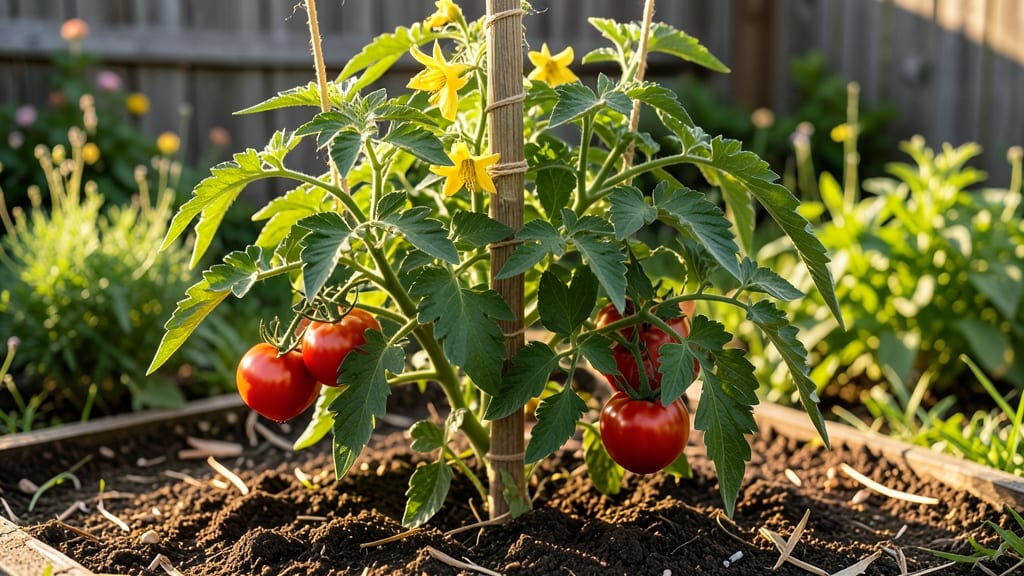
Beefsteak tomato plants can grow 8 to 12 feet tall if left unchecked, but their height depends on whether you’re growing indeterminate or semi-determinate varieties.
If you’re dreaming of juicy, beefy tomatoes straight from your garden, knowing how tall your beefsteak tomato plants will grow is half the battle—because the wrong support could mean lost harvests or broken stems.
Indeterminate varieties, like the classic Brandywine or Cherokee Purple, will climb like vines, while semi-determinate types like Big Beef stay more compact. Without proper staking or cages, those towering plants can snap under the weight of their massive fruit.
Below, I’ll break down how to choose the right support, when to prune for manageable height, and how to maximize your harvest without turning your garden into a jungle.

Beefsteak tomato height by variety: tallest vs. compact options
If you’re dreaming of juicy, beefy tomatoes straight from your garden, knowing how tall your beefsteak tomato plants will grow is half the battle—because the wrong support could mean lost harvests or broken stems.
These massive tomatoes need careful planning, especially since their vine lengths and growth habits vary wildly between varieties. Some reach skyward like jungle vines, while others stay compact enough for small gardens or containers.
The key difference lies in their growth patterns: indeterminate varieties grow continuously until frost, while semi-determinate types produce fruit on a bushier frame. Indeterminate beefsteaks can soar to 8–12 feet without intervention, while semi-determinate types max out at 4–6 feet.
Choosing the right variety for your space—and providing the proper support system—will determine whether you’re harvesting tomatoes or wrestling with unruly vines.
Here’s how the most popular (and some rare) beefsteak varieties stack up in height, along with their spacing and care needs:
Notice how indeterminate varieties like Brandywine and Cherokee Purple dominate the height chart, while semi-determinate types like Sungold Beefsteak stay shorter and bushier.
This matters for pruning strategies: indeterminate vines need regular trimming to manage height and improve airflow, while semi-determinate types benefit from minimal pruning to encourage bush growth. If you’re short on space, container gardening works best with semi-determinate varieties—just ensure your pots are at least 12–18 inches deep.
For the tallest varieties, like Mortgage Lifter (a legendary heirloom), you’ll need to plan for vertical gardening. This means installing a trellis system early—before vines get too heavy—and using soft ties to avoid damaging stems.
Without support, these giants can snap under the weight of 2-pound tomatoes, leading to lost harvests. Even sturdy cages may not be enough; opt for wooden or metal trellises buried deep into the soil for stability.
Spacing is just as critical as height. Crowding indeterminate beefsteaks too closely leads to disease spread (like blight) and poor air circulation, which stunts fruit production.
Follow the spacing guidelines in the table above, and always plant taller varieties on the north side of your garden to avoid shading shorter plants. In small gardens, consider vertical trellises along fences or walls to maximize space without sacrificing yield.
Pro tip: If you’re growing heirloom beefsteaks like Brandywine, start seeds indoors 8–10 weeks before
Support systems for beefsteak tomatoes: cages, trellises, and stakes explained
Beefsteak tomatoes—those heirloom giants with pound-sized fruits—need sturdy support to prevent snapped stems and lost harvests. Without proper backing, even a 6-foot vine can collapse under 10-pound tomatoes. Your choice of support depends on the variety type (indeterminate vs. semi-determinate) and your garden layout.
Indeterminate beefsteak varieties—like 'Brandywine' or 'Cherokee Purple'—can grow 8–12 feet tall, while semi-determinate types (e.g., 'Big Beef') top out at 4–6 feet.
The wrong support risks broken stems or rotting fruit from soil contact. Let’s break down when to use cages, stakes, or trellises for maximum yield.
Support System Comparison
Cages
- ✅ Best for semi-determinate varieties (4–6 ft)
- ✅ Easy to install; no tying needed
- ✅ Protects fruit from soil-borne diseases
- ❌ Weak for heavy fruit loads (max 5–7 lbs per cage)
- ❌ Limited airflow can increase fungal risk
- ❌ Hard to move once planted
Stakes
- ✅ Ideal for indeterminate varieties (8–12 ft)
- ✅ Allows pruning control for vine direction
- ✅ Maximizes vertical space in small gardens
- ❌ Requires frequent tying (every 2–3 weeks)
- ❌ Single-point failure risk (stake breaks = plant falls)
- ❌ Needs strong wind protection
Trellises
- ✅ Supports heavy fruit loads (10+ lbs per vine)
- ✅ Improves airflow and sunlight penetration
- ✅ Great for vertical gardens or small spaces
- ❌ Complex to build (DIY required for sturdy frames)
- ❌ Higher initial cost for commercial trellises
- ❌ Needs regular pruning to train vines
For indeterminate beefsteaks, opt for 6–8 ft bamboo stakes or metal T-posts driven 12–18 inches deep. Use soft plant ties (like cotton webbing) to avoid stem damage, and retie every 2–3 weeks as the vine grows.
Pro tip: Bury a stake at planting to avoid root disturbance later.
If you’re growing semi-determinate varieties, 5–6 ft wire cages (like A-frame designs) work well, but reinforce them with wooden dowels if your tomatoes are extra-heavy.
For container gardening, over-the-top cages or freestanding trellises are lifesavers—just ensure the container is at least 18 inches deep for root support.
DIY trellis solutions are perfect for heavy producers. Build a wooden lattice with 2x4s and 1x1 lattice panels, or repurpose old ladders as trellises.
For weight-bearing capacity, space supports every 3–4 feet and use zip ties to secure vines to the frame. Avoid plastic trellises—they bend under load.
Remember: Pruning goes hand-in-hand with support. Remove suckers (side shoots) to reduce vine weight and direct energy to fruit production. And always harvest regularly—overripe tomatoes add unnecessary weight to your support system. With the right setup, your beefsteak tomatoes will thrive vertically instead of sprawling.