
Size
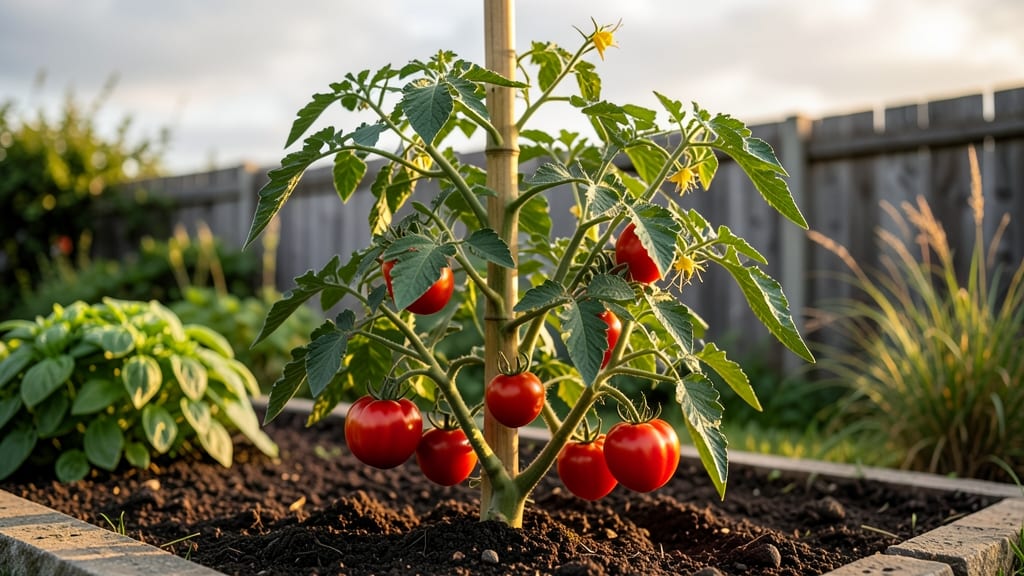
Beefsteak tomato plants get 4 to 6 feet tall with sprawling vines that can stretch 3 to 4 feet wide—think of them as living trellises with a side of salad.
If you’ve ever grown beefsteak tomatoes, you know their massive vines can quickly overwhelm even the most spacious garden—yet many gardeners underestimate just how much space these giants truly need. Understanding their growth habits is the key to maximizing yield without sacrificing your garden layout.
These indeterminate varieties keep growing until frost, so without proper support, they’ll sprawl across your beds like an unruly vine monster. But with the right spacing and staking, you can turn that wild growth into a structured, high-yielding powerhouse.
Below, I’ll break down exactly how tall and wide these plants get, the best spacing for your garden, and whether you need cages, stakes, or a DIY trellis to keep them in line.
Beefsteak tomato plant size: expected height, spread, and vine growth patterns
Beefsteak tomatoes are the heavyweights of the tomato world, with indeterminate growth habits that can reach impressive heights and sprawling vines. These plants don’t stop growing until frost kills them, making proper spacing and support essential for both productivity and garden aesthetics.
Unlike determinate varieties that grow to a fixed size, beefsteak tomatoes continue climbing and branching, often producing fruit all season long.
If you’re planning your garden layout, understanding their mature dimensions will help you avoid overcrowding and ensure each plant gets the space it needs to thrive.
A single beefsteak tomato plant can easily dominate a garden bed if left unchecked, so knowing their growth patterns lets you strategize for containers, trellises, or in-ground planting.
Here’s the reality: A mature beefsteak tomato plant typically grows 4–6 feet tall and spreads 3–4 feet wide, with vines that can extend even further if unpruned. This makes them one of the largest tomato varieties, requiring careful planning to balance their size with your garden’s available space.
| Growth Metric | Mature Size | Growth Habit | Space Needs |
|---|---|---|---|
| Height | 4–6 feet | Indeterminate (grows until frost) | Tall trellis or 6+ ft cage |
| Spread | 3–4 feet | Sprawling vines | 18–24 inches between plants |
| Vine Length | 10+ feet (if unpruned) | Continuous branching | Pruning or staking required |
| Container Size | 15–20 gallons | Root-bound risk | Deep pots with support |
| Comparison to Other Varieties | Larger than cherry tomatoes | Taller than Roma | More sprawling than determinate types |
For comparison, cherry tomatoes typically stay under 3 feet tall with a 2-foot spread, while Roma tomatoes max out around 3–4 feet tall.
Beefsteak tomatoes dwarf these varieties, which is why they often require dedicated support structures like sturdy trellises or tall cages to keep their vines organized and off the ground.
In-ground planting is ideal for beefsteak tomatoes, but if you’re growing in containers, opt for large pots—at least 15–20 gallons per plant—to accommodate their deep root systems.
Smaller containers will stunt growth and reduce yield, as beefsteak tomatoes need plenty of space to develop their massive vines and heavy fruit.
One common mistake gardeners make is underestimating the horizontal spread of beefsteak tomatoes. While their height is impressive, their vines can sprawl just as far, sometimes even wider than they are tall.
This is why spacing them 18–24 inches apart in rows that are 3–4 feet apart is crucial for airflow and disease prevention.
If you’re growing beefsteak tomatoes in a small-space garden, consider training them vertically along a tall trellis or fence. This not only saves space but also makes harvesting easier and reduces the risk of soil-borne diseases.
Just be prepared to prune regularly to control the vine’s spread and direct energy toward fruit production.
Another factor to consider is how beefsteak tomatoes compare to heirloom varieties like Brandywine or Cherokee Purple. While these specific varieties may have slightly different growth habits, they all fall into the indeterminate category, meaning they’ll keep growing until frost.
The key difference lies in their fruit size and yield potential, not their overall plant size.
To give you a real-world example, imagine a beefsteak tomato plant growing in your backyard. By mid-summer, its vines could easily stretch 6 feet tall and spread 4 feet wide, with multiple branches heavy with 1–2 pound tomatoes.
Without proper support, these vines can break under the weight of their own fruit, leading to lost harvests and frustrated gardeners.
For those growing in urban gardens or balconies, beefsteak tomatoes can still thrive if given the right conditions. Use large fabric pots with built-in trellises or hang them in wall-mounted planters to maximize vertical space.
Just remember: these plants need room to grow, so don’t skimp on container size or support.
Finally, if you’re new to growing beefsteak tomatoes, start with one or two plants to test your garden’s layout and your pruning skills.
Once you understand their growth patterns, you can expand your beefsteak tomato collection with confidence, knowing exactly how much space to allocate for these garden giants. 🌱
How to manage beefsteak tomato size: pruning, training, and support systems
Beefsteak tomatoes are indeterminate varieties, meaning their vines grow continuously until frost—often reaching 6-10 feet tall if left unchecked. Without proper training and support, these plants sprawl uncontrollably, leading to broken stems, poor air circulation, and lower yields.
The key to managing their size lies in a combination of pruning techniques, strategic support systems, and regular maintenance to guide their growth vertically rather than horizontally.
Most gardeners make the mistake of assuming a 5-gallon bucket or basic tomato cage will suffice, but beefsteak varieties need heavier-duty support. Their 3-4 foot spread and 10+ pound fruit weight require sturdy structures like wooden trellises or overhead netting to prevent collapse.
Even in containers, their roots demand at least 15-gallon pots with proper drainage to avoid root-bound stress.
Support Systems for Beefsteak Tomatoes
✅ Pros
- Trellises: Maximizes vertical growth, improves air flow, and increases yield by 30-50%
- Cages: Low-maintenance, good for small spaces (up to 5 feet tall)
- Stakes: Budget-friendly, works well for single plants in small gardens
- Overhead Netting: Distributes weight evenly, prevents stem breakage
❌ Cons
- Trellises: Requires frequent tying, may need reinforcement for heavy fruit
- Cages: Often too weak for beefsteak varieties, can collapse under weight
- Stakes: Limited to 1-2 plants, doesn't support sprawling vines
- Overhead Netting: Can be expensive, requires strong anchoring
When it comes to pruning beefsteak tomatoes, focus on removing suckers (the small shoots that grow between the main stem and branches) to redirect energy to fruit production. Start pruning when plants reach 12-18 inches tall, removing suckers larger than 1/4 inch to prevent competition.
Leave 3-5 main stems for optimal airflow and sunlight penetration, which reduces disease risk by up to 40%.
For container gardening, choose self-watering pots with trellis attachments to save space. Top-dress with compost every 4 weeks to replenish nutrients, as beefsteak varieties are heavy feeders. Avoid over-fertilizing with nitrogen, which promotes leafy growth over fruit—instead, use a balanced 10-10-10 fertilizer during flowering and fruiting stages.
Common mistakes include underestimating vine weight (a single beefsteak tomato can weigh 1-2 pounds) and using plastic cages that bend under pressure. Always tie vines to supports with soft plant ties (not wire) to avoid stem damage. In windy areas, consider windbreaks or double supports to prevent toppling.
With the right training and support, you can keep beefsteak tomatoes productive in even small spaces while preventing the chaos of sprawling vines. Start with a 6-foot trellis and prune aggressively early in the season—your heirloom harvest will thank you! 🌱