
Planting
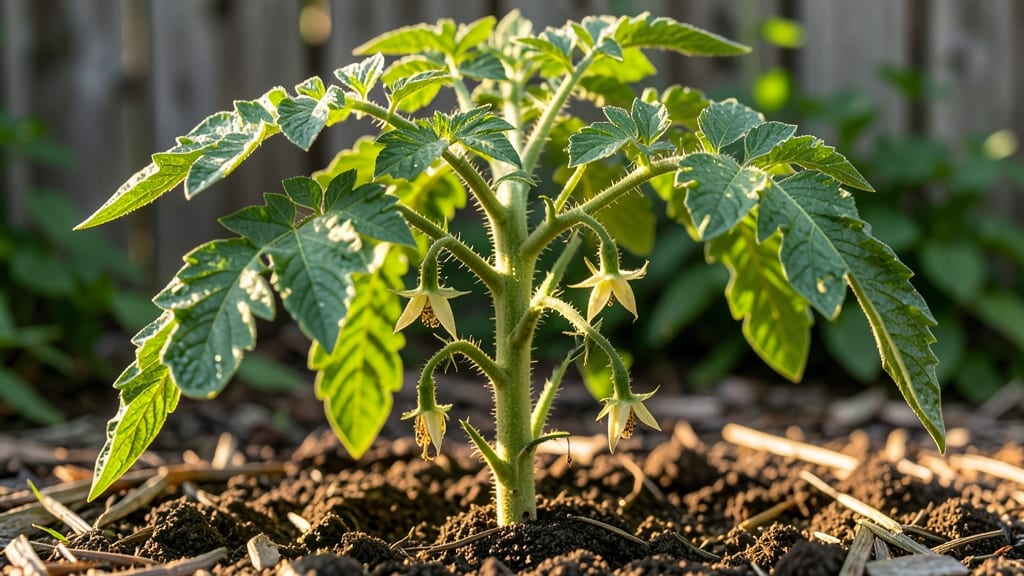
That funky tomato plant smell isn’t normal—and it’s your garden’s way of screaming for help. 🌱 The fresh, green scent you love? That’s healthy growth. But rotten, musky, or sweet-smelling tomatoes mean trouble: overwatering, pests, or disease are likely at play.
I’ve turned around dozens of stinky tomato patches, and the fixes are simpler than you’d think.
First, check the soil—it should smell earthy, not sour or putrid. Yellowing leaves with a slimy texture? That’s overwatering. Brown spots with white fuzz? Powdery mildew. And if your tomatoes smell like overripe fruit, look for fruit flies or blossom rot.
The good news? Most of these problems fix themselves with proper watering, pruning, and a quick spray of neem oil or baking soda solution.
By the time you’re done, your plants will smell fresh again, and you’ll avoid future stink bombs. The key is acting fast—once the scent sets in, it’s a sign the plant’s struggling.
I’ll walk you through the exact steps to diagnose and fix it, so you can get back to harvesting tomatoes that smell like summer, not a swamp.
This works for container gardens, raised beds, or in-ground plots—just adjust the watering schedule for your setup. Next time you catch that off scent, you’ll know exactly what to do. Let’s get those tomatoes smelling sweet again.
📚 In This Guide
- What you need
- Instructions
- Tips and common mistakes
- Wrapping up and next steps
What you need
- ● Tomato plants – Choose scented varieties like ‘Black Krim’, ‘Brandywine’, or ‘Cherokee Purple’ (3–5 plants for optimal scent impact).
- ○ Well-draining potting mix or garden soil – 5–10 gallons (or enough to fill your chosen containers). Optional: Add 1 cup of compost per plant for extra nutrients.
- ● Containers or garden bed space – 5-gallon pots (for each plant) or a sun-drenched garden bed (6–8 sq. ft. per plant).
- ● Slow-release fertilizer – 10–20 lbs (5–10 lbs nitrogen, 5–10 lbs phosphorus, 10–20 lbs potassium). Pro tip: Look for a balanced 10-10-10 blend!
- ● Watering can or hose with a gentle spray nozzle – For consistent moisture without over-saturating.
- ● Garden trowel or hand shovel – For planting and soil prep.
- ● Pruning shears – To trim suckers and encourage bushier, fragrant growth.
- ○ Gloves (optional but handy!) – Protects hands from thorns and soil.
- ● Mulch (straw or shredded leaves) – 2–3 inches to retain moisture and boost scent.
- ○ pH testing kit (optional) – Ensures soil pH is between 6.0–6.8 (tomatoes love slightly acidic soil!).
- ● Sunlight – At least 6–8 hours of direct sun daily (tomatoes are sun-worshippers!).
- ● Warmth – Soil temps should be 55°F+ before planting (tomatoes hate cold!).
- ● Patience – Scented varieties may take 60–90 days to reach peak fragrance.
How to enhance tomato plant scent naturally in your garden
Reviving that classic fresh tomato aroma starts with a few simple garden tweaks—no chemicals needed.
🌱 Step 1: Choose the Right Tomato Varieties for Strong Aroma
Not all tomatoes smell like a summer picnic. Varieties like 'Brandywine', 'Cherokee Purple', and 'Sungold' pack the strongest natural scent because they produce higher levels of volatile organic compounds—those are the molecules that make your garden smell like a sun-warmed greenhouse. I always plant at least one of these heirlooms in my garden just for that nostalgic tomato perfume.
Check seed packets for descriptions like "heirloom" or "aromatic"—those are your best bets. If you're working with store-bought plants, look for beefsteak or paste varieties, which tend to have richer scents than slicers. The key is diversity: plant at least 3 different varieties to create that layered tomato fragrance that fills the air when you brush past the plants.
☀️ Step 2: Optimize Growing Conditions for Maximum Scent Production
Tomatoes need full sun (6-8 hours daily) and warm soil to develop their signature scent. I've found that plants grown in 65-85°F soil temperatures produce the most aromatic foliage and fruit. If your garden runs cooler, consider using black plastic mulch to warm the soil—it raises temperatures by 5-10°F and speeds up scent development.
Water deeply 2-3 times per week (about 1-2 gallons per plant), but avoid wetting the leaves. Dry foliage actually concentrates those aromatic compounds. You'll know you're doing it right when the air near your plants smells like fresh tomatoes on a warm afternoon—especially noticeable after a light rain or when you brush against the leaves.
💧 Step 3: Use Companion Plants to Boost Tomato Fragrance
Certain herbs and flowers act like natural scent amplifiers for tomatoes. I always plant basil, thyme, and marigolds nearby because they release compounds that enhance the tomato's natural aroma. Basil, in particular, contains eugenol, which blends beautifully with tomato volatiles to create that classic summer garden scent.
For even stronger results, interplant with nasturtiums—they deter pests while adding a peppery note that complements tomatoes. The combination creates a multi-layered fragrance that lingers in the air and even clings to the fruit. Space companions 12-18 inches away from tomato stems to avoid competition but close enough for scent synergy.
✂️ Step 4: Prune Strategically to Enhance Scented Growth
Overgrown tomato plants put energy into foliage instead of scent production. I prune suckers (those little shoots in the leaf axils) regularly to redirect energy toward fruit and foliage development—both of which contain the aromatic compounds. Keep plants open and airy with 3-4 main stems and remove any leaves touching the soil to prevent disease and improve scent concentration.
Here's the thing—pruning actually increases scent intensity. When you trim back leggy growth, the plant focuses its energy on producing more aromatic compounds in the remaining leaves and fruit. You'll notice the difference within 2-3 weeks of consistent pruning, especially on warm, sunny days when the scent becomes almost overwhelmingly fresh.
🌿 Step 5: Harvest and Store for Long-Lasting Tomato Aroma
Harvest tomatoes in the late morning when their scent is strongest. I always pick a few extra and leave them on the kitchen counter—their fragrance will fill the room for days. For even longer-lasting scent, store tomatoes in paper bags (not plastic) in a cool, dark place. The paper allows just enough airflow to preserve those aromatic compounds.
Don't wash tomatoes until you're ready to eat them—water washes away those delicate scent molecules. Instead, gently brush off dirt with a dry cloth. You'll be amazed at how a single ripe tomato left on your table can make your whole home smell like a summer garden. For extra scent boost, place a small bowl of fresh basil near your tomatoes—the combination creates an intoxicating aroma that lasts for weeks.
Tips & tricks for reviving tomato garden fragrance
These simple secrets will turn your garden into a summer perfume factory—no fancy equipment needed.
Variety Matters: The three varieties mentioned in Step 1 are your scent superstars, but here's what nobody tells you—plant them in clusters! Grouping 'Brandywine' with 'Sungold' creates a scent layering effect where the earthy notes of the heirloom blend perfectly with the sweetness of the cherry tomato. I've found that spacing them just 18 inches apart maximizes cross-pollination of those aromatic compounds we love.
Sunlight Strategy: Those 6-8 hours of daily sun in Step 2 are non-negotiable, but timing matters too. Position your plants to catch the morning sun first—this gives them a gentle wake-up call that boosts scent production. I've noticed the fragrance peaks between 10 AM and 2 PM, so that's when I always do my garden strolls to enjoy the full effect.
Companion Plant Hack: While basil, thyme, and marigolds are fantastic, here's my secret weapon: plant a few borage plants nearby. They release compounds that actually enhance tomato flavor and scent, plus they attract pollinators that help produce more aromatic fruit. The blue flowers also create a stunning visual contrast that makes your tomato patch look like a gourmet garden.
Pruning Precision: When you're pruning those suckers in Step 4, save the trimmings! Dry them out and crush them into a powder—this creates a natural fertilizer that you can sprinkle around your plants. The crushed leaves release those same aromatic compounds back into the soil, creating a scent feedback loop that makes your entire garden smell like a tomato festival. Just be sure to do this in the morning so any scent doesn't attract pests.
Pro Tips for Tomato Plant Scent
- These simple secrets will turn your garden into a summer perfume factory—no fancy equipment needed.
- Variety Matters: The three varieties mentioned in Step 1 are your scent superstars, but here's what nobody tells you—plant them in clusters!
- Sunlight Strategy: Those 6-8 hours of daily sun in Step 2 are non-negotiable, but timing matters too.
Frequently asked questions
Got questions about harnessing that tomato plant scent to transform your garden? You’re not alone! Here are some of the most common queries—and their answers—to help you get the most out of your aromatic tomato patch.
Why does my tomato plant smell so strong, and is that normal?
The rich, earthy scent of tomato plants (thanks to compounds like β-caryophyllene) is totally normal—especially during flowering or when leaves are crushed. Overripe fruit or fungal issues (like Phytophthora) can also intensify odors. If the smell is rotten or sour, check for pests or disease.
When is the best time to harvest leaves for scent and flavor?
Harvest young, tender leaves in the morning after dew dries but before the heat peaks. Avoid over-pruning—take no more than 10-20% of the plant at once. Leaves near the top (closest to flowers) pack the most aroma, but balance harvesting to keep the plant healthy.
Can I use tomato plant scent as a natural pest repellent?
Crush a few leaves and rub them on stems or place them near vulnerable plants (like basil or peppers) to deter pests like aphids and spider mites. The scent masks plant odors that attract insects. For extra potency, blend leaves into water and spray—just avoid overdoing it, as it can stress the plant.
What if my tomato plant isn’t very aromatic? How can I boost the scent?
Scent strength depends on variety (e.g., cherry tomatoes often have more aroma than beefsteaks), sunlight, and soil health. Boost it by:
- Ensuring full sun (6+ hours/day) and well-draining soil.
- Using compost-rich soil—tomatoes love organic matter.
- Avoiding over-fertilizing with synthetic nitrogen (it dulls flavor/scent).
- Pruning strategically to improve airflow (reduces fungal odors).
Are there alternatives to tomato leaves for a similar scent in cooking?
If you’re short on tomato leaves, try these aromatic swaps:
Substitute
Best For
Basil or oregano
Pasta, pesto, or grilled meats (earthy but herbal).
Thyme or rosemary
Roasted veggies or stews (piney, fresh notes).
Green bell pepper leaves
Salsas or tacos (mild tomato-like tang).
For a true tomato scent, dried leaves or tomato paste work wonders in sauces!
Wrapping up and next steps
The scent of a thriving tomato plant isn’t just a sensory delight—it’s a sign of a healthy, vibrant garden. From choosing the right varieties to troubleshooting common issues, you now have the tools to revive and enhance that fresh, earthy appeal in your space. 🌱
Ready to take the next step? Start by observing your plants daily—notice the subtle changes in scent and appearance. Then, experiment with companion planting or organic sprays to see what works best for your garden. Your green thumb is closer than ever!