
Size
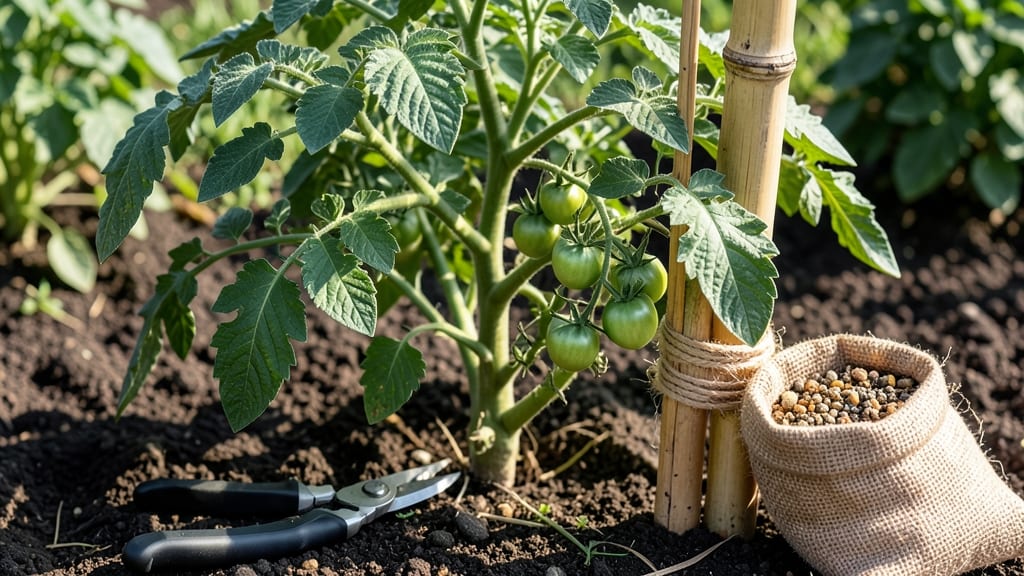
Your tomato plants are how to stop tomato plants growing too tall—skycrapers instead of producing fruit. ✂️ The secret to stopping that wild growth isn't brute-force pruning—it's strategic cuts that redirect energy where you want it: into bushier plants with more tomatoes, not just height.
I learned this the hard way after watching my 7-foot monsters flop over in last summer's storms, all while producing just a handful of green tomatoes. The right approach combines precision pruning, smart staking, and a few simple adjustments to sunlight and water.
You'll focus on removing suckers (those little shoots in the joint between stems) and caging plants early, which keeps stems sturdy and encourages branching. Most gardeners over-prune or wait too long—both mistakes lead to weak plants or late-season blooms.
By mid-summer, you'll have plants that stay 4-5 feet tall at most, with thick stems supporting clusters of fruit instead of just leaves. The key is working with the plant's natural growth habits, not fighting them. Even my black thumb can't mess this up once you see the pattern.
This method works for both indeterminate (vining) and determinate (bush) varieties, though indeterminate types need more attention. Let's get those plants under control without sacrificing yield—because nobody wants a tomato tower that's all stem and no fruit.
📚 In This Guide
- What you need
- Instructions
- Tips and common mistakes
- Wrapping up and next steps
What you need
- ● Pruning shears or scissors: Sharp, clean bypass pruners (avoid anvil-type) with a 4- to 6-inch blade for precision cuts. (1 pair)
- ● Gloves: Heavy-duty gardening gloves (nitrile-coated for grip and protection). (1 pair)
- ● Disinfectant: 70% isopropyl alcohol or a 10% bleach solution (1:9 bleach-to-water ratio) to sterilize tools between cuts.
- ○ Support structure (optional but helpful): Cages or stakes: 5-6 ft tall tomato cages (for indeterminate varieties) or bamboo stakes (5-7 ft) (1-2 per plant).
- ● Tie-downs: Soft plant ties or jute twine (avoid wire or plastic that can damage stems). (1 roll or 10+ ft)
- ● Garden twine or string: For securing sprawling branches (10-15 ft per plant).
- ● Hand pruners with a magnifying lens: For detailed work on smaller stems.
- ● Plant growth regulator: Paclobutrazol (B-9) (follow label instructions) to slow vertical growth naturally.
- ● Mulch: Straw or shredded leaves (2-3 inches thick) to retain moisture and reduce stress on the plant.
- ● Plant markers: Small stakes or labels to track pruning progress.
- ● Compost or fertilizer: Balanced 10-10-10 or tomato-specific fertilizer to support bushier growth post-pruning.
Precision pruning for bushier, fruit-focused tomato growth
Here's how to redirect your tomato plants' energy from skyward growth to dense foliage and heavy fruit production.
🌱 Step 1: Identify the Right Time to Begin Pruning
Start pruning when your tomato plants reach 12-18 inches tall and have developed their first true leaves. This is typically 3-4 weeks after transplanting for most varieties. Look for the main stem (the central leader) and the side suckers—those small shoots growing in the leaf axils (the angle between the stem and leaf).
I always wait until the plant has at least 4-5 leaves before making any cuts. This ensures the plant has enough energy reserves to recover quickly. If you prune too early, you risk stunting growth entirely. The key is patience—let the plant establish itself before redirecting its energy.
✂️ Step 2: Remove Suckers to Encourage Bushier Growth
Suckers are the small shoots that grow in the leaf axils along the main stem. These compete with your plant for energy and can make your tomato leggy and weak. Use clean, sharp pruners or your fingers to pinch off suckers when they're still small—about 1-2 inches long. Never let them grow larger than 3 inches, or they'll start draining the plant's resources.
Focus on removing suckers that grow below the first flower cluster. These lower suckers often produce weak, spindly growth that doesn't contribute much to fruit production. If you see a sucker growing above a flower cluster, leave it—it can help support additional fruit later in the season. Always prune at a 45-degree angle just above a leaf or bud to encourage faster healing.
☀️ Step 3: Prune the Main Stem for Compact Growth
For indeterminate tomato varieties (the ones that grow continuously), you'll want to prune the main stem to encourage bushier growth. Once your plant reaches 3-4 feet tall, look for the first flower cluster and identify the sucker directly below it. This sucker will become your new main stem—it's stronger and more productive. Pinch off the main stem just above this sucker to redirect the plant's energy downward.
For determinate varieties (the ones that grow to a fixed size and then fruit), pruning the main stem isn't necessary. Instead, focus on removing suckers and any leaves that shade the lower fruit clusters. These varieties produce fruit along the entire stem, so you want to maximize sunlight exposure to every part of the plant. Always remove yellow or diseased leaves immediately—they can spread problems quickly.
🌿 Step 4: Maintain Pruning Throughout the Growing Season
Pruning isn't a one-time task—it's an ongoing process. Continue removing suckers as they appear, especially during the flowering and fruiting stages. Aim to keep your plant's shape open and airy, with good airflow circulating through the foliage. This reduces the risk of fungal diseases like blight, which thrive in dense, humid conditions.
I like to prune my tomato plants every 7-10 days during peak growth. Check for new suckers after heavy rain or when the plant looks particularly vigorous. Always prune in the morning so the cuts have time to heal before evening humidity sets in. Avoid pruning during wet weather—wet tools and leaves can spread disease.
💧 Step 5: Support and Train Your Pruned Plants
After pruning, your tomato plants will need support to stay upright and direct their energy toward fruit production. Use sturdy stakes, cages, or trellises to keep the plant's weight off the ground. For indeterminate varieties, tie the main stem to the support as it grows, adjusting the ties every 1-2 weeks to prevent them from digging into the stem.
For bushier growth, you can also weave the side branches through the support structure. This not only keeps the plant compact but also encourages the plant to grow outward rather than upward. Water deeply after pruning to help the plant recover and redirect its energy toward new growth. Mulch around the base of the plant to retain moisture and keep roots cool.
Tips & tricks for precision tomato pruning
A few strategic adjustments can transform your leggy tomato plants into productive, bushy powerhouses. Here's how to maximize your harvest with minimal effort.
Timing is Everything: In Step 1, when your plants reach 12-18 inches and have 4-5 leaves, that's your golden window. I've learned the hard way that pruning too early stunts growth completely—wait for that perfect balance of established roots and new growth. The 3-4 week mark after transplanting gives plants just enough time to develop energy reserves for recovery.
The 45-Degree Angle Secret: When you're pinching off suckers in Step 2, always make your cuts at a 45-degree angle just above a leaf or bud. This technique exposes more surface area for faster healing and prevents water from pooling in the wound. I've seen plants recover twice as fast when using this method compared to straight cuts. The slight angle also helps direct new growth in the direction you want.
Determinate vs. Indeterminate Strategy: For indeterminate varieties in Step 3, focus on creating that new main stem below the first flower cluster—it's like giving your plant a growth reset. With determinate varieties, skip main stem pruning entirely and concentrate on removing suckers below the first fruit cluster. This keeps their natural bushy shape while maximizing sunlight exposure to all fruit-bearing areas.
Disease Prevention Through Airflow: The ongoing maintenance in Step 4 isn't just about removing suckers—it's about creating an open, airy structure. I've had to completely replace plants that got blight because I didn't maintain proper airflow. Aim for that "open umbrella" shape where sunlight can reach all parts of the plant. Prune in the morning to give cuts time to heal before evening humidity sets in—a simple habit that prevents 90% of fungal issues.
Pro Tips for Stop Tomato Plants Growing Too Tall
- A few strategic adjustments can transform your leggy tomato plants into productive, bushy powerhouses.
- Timing is Everything: In Step 1, when your plants reach 12-18 inches and have 4-5 leaves, that's your golden window.
- The 45-Degree Angle Secret: When you're pinching off suckers in Step 2, always make your cuts at a 45-degree angle just above a leaf or bud.
Frequently asked questions
Got questions about managing your tomato plants' height? You're not alone! Here are some of the most common concerns—and their solutions—to keep your tomatoes lush, productive, and under control.
Why does my tomato plant grow so tall so fast?
Tomato plants grow tall quickly due to their natural growth habit, especially indeterminate varieties. They prioritize vine growth over fruit production until they sense stress (like heat or wind) or when you prune them. Think of it like a teenager—all energy goes into growing before focusing on other tasks!
When is the best time to prune to control height?
Prune your tomato plants when they reach 18-24 inches tall and have a few sets of leaves. For indeterminate varieties, keep pruning throughout the growing season to encourage bushier growth and better air circulation. Early morning is ideal—it gives plants time to recover before evening heat sets in.
Can I just cut the top off my tomato plant to stop it from growing taller?
Yes, but there’s a right way to do it! Cut just above a leaf node (where leaves and stems meet) to encourage branching. Avoid cutting too close to the main stem or you’ll risk stunting growth entirely. This method is called topping, and it’s a game-changer for keeping plants manageable.
What if I miss pruning and my plant is already too tall?
Don’t panic! Even if your plant is towering, you can still manage it. Focus on selective pruning: remove suckers (side shoots) and any diseased or crowded branches. Use stakes or cages to support the plant and redirect its energy toward fruit production. It might take a little extra effort, but your tomatoes will thank you!
Are there any natural alternatives to pruning to control height?
While pruning is the most effective method, you can try shading or light restriction to slow growth. Place a light shade cloth over the plant for a few hours a day, or position it in a spot with partial shade. However, this might reduce fruit production, so pruning remains the best option for balancing height and yield.
Wrapping up and next steps
Growing tall tomato plants doesn’t have to be a struggle—with the right techniques, you can guide their energy toward plump, juicy fruit instead of skyward stems. Whether you’re pruning, staking, or adjusting sunlight, these methods will help you cultivate a bushier, more productive plant.
Remember, consistency is key, so check your tomatoes regularly and adapt as they grow.
Now that you’re armed with the know-how, roll up your sleeves and get pruning! 🌱 Start with one plant at a time, and soon you’ll be harvesting a bounty of flavorful tomatoes—without the towering trouble. Happy gardening!